I used the tablets with my partner supervising the doses for the first month. The strongest benefit was knowing that one drink could cause a reaction, so I stopped negotiating with myself. I had a metallic taste and felt tired in the first weeks, but those effects became less noticeable.
The first month 31 Oct 2026
Antabuse
Adults with alcohol dependence who are working toward abstinence may be prescribed Antabuse. It contains disulfiram, which interferes with alcohol metabolism and creates an unpleasant physical…
Adults with alcohol dependence who are working toward abstinence may be prescribed Antabuse. It contains disulfiram, which interferes with alcohol metabolism and creates an unpleasant physical reaction if ethanol is consumed.
Product information
Antabuse is an alcohol-aversive medicine containing disulfiram. It belongs to a treatment category that deters alcohol use by causing an unpleasant physical reaction after ethanol exposure.
Ingredients
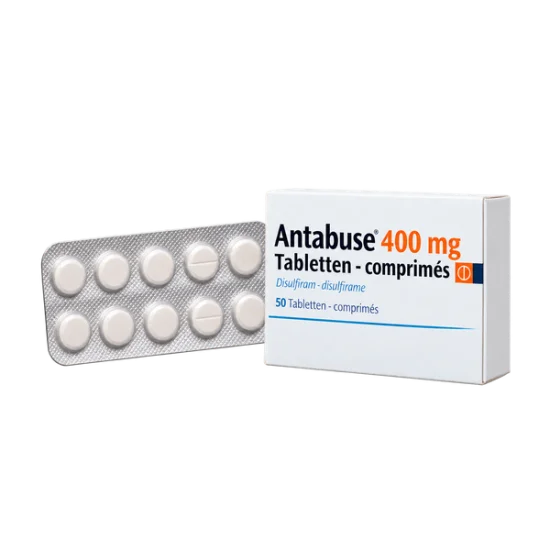
Antabuse contains disulfiram, an alcohol-aversive medicine used within a structured abstinence programme. The product is supplied as oral tablets, with each tablet containing 400 mg of disulfiram and the pack containing 50 tablets. In Australia, disulfiram is treated as a Schedule 4 prescription medicine, so dosing and follow-up require clinical oversight.
Disulfiram does not remove alcohol dependence by itself. Its role is deterrence: the possibility of a rapid and uncomfortable reaction supports a person who has already decided to avoid alcohol. Treatment works best when combined with an agreed recovery plan, monitoring, and support for alcohol-use disorder.
Active ingredient profile
Disulfiram blocks aldehyde dehydrogenase, an enzyme involved in the breakdown of acetaldehyde. This pharmacological action is responsible for the disulfiram–ethanol reaction. The drug remains clinically relevant after the last tablet because enzyme inhibition can persist for days.
Antabuse is intended for people who can commit to complete alcohol avoidance. It is unsuitable as a way to continue drinking with fewer consequences.
Therapeutic indications
Adults with alcohol dependence who are working toward abstinence may be prescribed Antabuse.
Antabuse is intended for people who can commit to complete alcohol avoidance. It is unsuitable as a way to continue drinking with fewer consequences.
Directions for use
Antabuse is taken by mouth. The prescribed amount per intake is selected for the individual rather than being one fixed amount for every patient.
Use follows the prescriber’s schedule:
- Take the tablet only at the prescribed frequency.
- Swallow it with water unless the prescriber gives different instructions.
- Do not chew, crush, or split the tablet unless the prescriber or dispensing pharmacist has specifically authorised that method.
- Take each dose at a consistent time when possible.
- Never take an extra dose after drinking alcohol or after forgetting a scheduled dose.
- If a dose is missed, follow the individual missed-dose plan rather than doubling the next dose.
- Do not start treatment while alcohol remains in the body or when recent heavy drinking has not been medically assessed.
Supervised dosing may be used when relapse risk is high or adherence is uncertain. A trusted person should supervise only when the treatment team has arranged this and the patient has agreed to it.
When not to use it
This medicine is not suitable for everyone. Antabuse is not for you if:
- You have consumed alcohol recently and still have signs of intoxication or withdrawal.
- You have a previous severe reaction to disulfiram.
- You have serious coronary artery disease, heart failure, or a condition in which a sudden blood-pressure change could be dangerous.
- You have severe liver disease or unexplained abnormal liver tests requiring assessment.
- You have a current psychotic illness that could worsen with disulfiram.
- You are pregnant or breastfeeding unless a specialist has specifically assessed the treatment.
- You cannot reliably avoid alcohol or cannot understand the consequences of an alcohol reaction.
- You are taking a product that contains disulfiram or another medicine that creates a similar alcohol reaction.
Disulfiram can interact with other medicines. Particular caution applies to warfarin, phenytoin, isoniazid, metronidazole, certain sedatives, and medicines processed by liver enzymes. Disulfiram may increase the effects of warfarin or phenytoin, while metronidazole has been associated with mental-status reactions when combined with disulfiram. A complete medicine and supplement review is needed before treatment begins.
The prescriber may arrange liver-function testing before and during therapy. This is especially relevant when there is previous hepatitis, cirrhosis, regular use of medicines affecting the liver, or a history of abnormal liver results. NICE recommends matching alcohol-dependence treatment to physical health, psychiatric history, treatment goals, and the person’s ability to maintain abstinence .
When this is not for you
Antabuse may not be suitable if you have recently been drinking, have serious heart or liver problems, or have a current psychotic illness. It may also be unsafe if you are pregnant or breastfeeding without specialist advice, cannot reliably avoid alcohol, or take medicines such as warfarin, isoniazid, metronidazole, or certain sedatives. Do not begin treatment unless a clinician has reviewed your health, medicines, and ability to stay away from alcohol.
Unwanted effects
Disulfiram can cause adverse effects even when alcohol is avoided. Common effects include tiredness, headache, metallic or garlic-like taste, unpleasant breath, nausea, abdominal discomfort, skin rash, and drowsiness. Some people report reduced concentration or a change in mood.
Liver injury is the major medicine-specific concern. Warning symptoms include unusual tiredness, loss of appetite, persistent nausea, dark urine, pale stools, yellowing of the skin or eyes, itching, or pain beneath the right ribs. These symptoms require prompt medical assessment and may require stopping treatment.
Other clinically significant reactions include:
- Tingling, burning, weakness, or numbness in the hands and feet.
- Visual changes or pain behind the eyes.
- Severe mood change, confusion, hallucinations, or unusual behaviour.
- Severe skin eruption, facial swelling, or breathing difficulty.
- Fainting, chest pain, severe shortness of breath, or a very rapid heartbeat.
- Seizures or loss of consciousness.
A disulfiram–alcohol reaction may cause facial flushing, throbbing headache, sweating, thirst, nausea, vomiting, dizziness, blurred vision, weakness, breathlessness, chest pain, palpitations, hypotension, and collapse. Emergency care is required for fainting, chest pain, breathing difficulty, confusion, severe vomiting, or a sustained rapid heartbeat.
The reaction may remain possible for up to two weeks after the final dose because disulfiram’s enzyme effect does not disappear immediately. The FDA prescribing information describes the reaction as potentially severe and stresses the need for complete alcohol avoidance .
Mechanism of action
After alcohol is consumed, the body converts ethanol into acetaldehyde and then breaks acetaldehyde down into acetate. Disulfiram interrupts the second step. Acetaldehyde can then accumulate rapidly, producing flushing, pounding headache, nausea, vomiting, sweating, chest discomfort, palpitations, and a fall in blood pressure [1].
The deterrent effect is different from medicines that reduce alcohol craving or reduce the rewarding effects of alcohol. Disulfiram creates a conditioned safety boundary: alcohol becomes medically hazardous rather than merely undesirable. NICE guidance places disulfiram among medication options that may be considered when abstinence is the treatment goal and the person understands the risks [2].
The reaction is not limited to alcoholic drinks. Ethanol may appear in some desserts, fermented products, flavourings, herbal preparations, cough mixtures, aftershaves, and hand products. Skin exposure usually causes less risk than ingestion, yet damaged skin or repeated exposure can still matter.
Common mistakes
Several avoidable errors reduce the benefit of Antabuse or increase risk:
- Starting the medicine while alcohol is still present in the body.
- Treating a small drink as harmless because it contains less alcohol.
- Forgetting that cooking alcohol may remain in sauces or desserts.
- Using alcohol-containing mouthwash or liquid medicine.
- Taking an extra tablet after a lapse.
- Stopping the medicine without discussing relapse risk and ongoing alcohol sensitivity.
- Ignoring dark urine, jaundice, severe fatigue, or right-sided abdominal pain.
- Assuming that a delayed reaction means the medicine is no longer active.
- Taking new prescription medicines without checking for interactions.
- Allowing another person to administer doses without an agreed supervision plan.
One practical detail is easy to miss: alcohol-containing mouthwash can be swallowed accidentally during rinsing, especially when someone is tired or has a sore throat. An alcohol-free alternative avoids this unnecessary exposure.
Another is the post-treatment window. Stopping Antabuse does not immediately remove the reaction risk, so alcohol avoidance must continue after the final tablet for the period specified by the treating clinician.
Comparison
Antabuse is one option within alcohol-dependence treatment. The choice depends on the goal of treatment, liver and heart health, previous treatment response, withdrawal risk, and the person’s willingness to avoid alcohol completely.
| Treatment category | Main purpose | Key limitation |
|---|---|---|
| Disulfiram deterrent therapy | Creates an unpleasant reaction after alcohol exposure | Requires complete abstinence and careful interaction screening |
| Anti-craving medicine | May reduce the urge or reward associated with drinking | May be unsuitable with certain liver, kidney, or opioid-related conditions |
| Psychosocial treatment | Addresses triggers, habits, relationships, and relapse planning | Requires ongoing engagement and does not create a physical alcohol reaction |
Disulfiram may suit a person who wants a clear abstinence boundary and accepts the need for strict avoidance. It is less suitable for someone who is ambivalent about stopping alcohol or who has frequent accidental exposure to ethanol-containing products.
The World Health Organization describes alcohol-use disorder as a health condition requiring more than a single intervention. Medication, withdrawal management, psychological treatment, and social support may all have a role [3].
What doctors say
Doctors generally describe disulfiram as a commitment-based treatment. The medicine is most useful when the patient understands the alcohol reaction, has a realistic abstinence plan, and has a reliable way to report symptoms.
A clinician will usually clarify four points before prescribing:
- The person’s treatment goal is complete abstinence.
- Alcohol can be hidden in food, medicines, toiletries, and flavourings.
- The reaction can occur after a small exposure and can remain possible after the last dose.
- New liver, neurological, psychiatric, or cardiovascular symptoms need rapid assessment.
Regular review matters because motivation, liver health, other medicines, and relapse risk can change. A patient who previously managed well may need a different plan after illness, surgery, bereavement, or a return to drinking.
The evidence base supports disulfiram most strongly when adherence is supervised or closely supported. Cochrane’s review of disulfiram for alcohol dependence found that treatment outcomes depend heavily on supervision and adherence rather than on the tablet alone [4].
What customers often ask
Does Antabuse cause a metallic or garlic-like taste?
A metallic or garlic-like taste and unpleasant breath are recognised adverse effects of disulfiram. The FDA product information describes taste disturbance among possible reactions, and clinical reviews published in 2014 also describe it during treatment. The symptom is usually less serious than liver or cardiovascular reactions, but a sudden severe change in taste with jaundice, vomiting, or marked fatigue needs medical assessment. A clinician can review persistent taste changes and check whether another medicine contributes. Seek advice before changing the dose or stopping treatment.
Can Antabuse tablets be split, crushed, or chewed?
The tablets should be swallowed with water unless an authorised prescriber has given a different instruction. Crushing or chewing can alter how the dose is taken and may make adherence less reliable. The TGA product information approach for prescription medicines supports using the dosage form as supplied unless a clinician or dispensing pharmacist has provided a specific alternative, and this remains the prudent approach in 2026.
Can people under 18 use Antabuse?
Use in people under 18 requires specialist assessment because evidence, consent, safeguarding, psychiatric factors, and alcohol-related risk must be considered together. A parent or carer should not begin treatment for a teenager without a clinician’s prescription and monitoring plan. WHO guidance published in 2018 emphasises age-appropriate assessment and integrated care for alcohol-related problems.
Can Antabuse be combined with other medicines or supplements?
Disulfiram can interact with prescription medicines, over-the-counter products, and supplements through liver-enzyme effects or additive effects on the nervous system. Warfarin, phenytoin, metronidazole, isoniazid, sedatives, and alcohol-containing preparations deserve specific attention. The EMA safety framework for disulfiram-containing medicines, published in 2020, supports a full interaction review before combination treatment, especially when several medicines are used.
Which symptoms mean stopping Antabuse and seeking urgent medical care?
Urgent assessment is needed for fainting, chest pain, severe shortness of breath, a very rapid heartbeat, seizures, severe confusion, facial swelling, or breathing difficulty. Yellow skin or eyes, dark urine, persistent vomiting, severe abdominal pain, or unusual exhaustion may indicate liver injury and require prompt medical review. The FDA product information from 2011 identifies severe disulfiram–ethanol reactions and hepatic injury as conditions requiring immediate clinical attention.
Do you offer anonymous delivery?
Your order will be securely packed and shipped within 24 hours. This is exactly what your package will look like (images of an actual item sent). It has the size and look of a regular private letter (24x11x0.7 cm) and its contents cannot be seen.
Sources
- U.S. Food and Drug Administration (2011). Antabuse (disulfiram) prescribing information
- National Institute for Health and Care Excellence (2011). Alcohol-use disorders: diagnosis, assessment and management of harmful drinking and alcohol dependence
- World Health Organization (2018). Global status report on alcohol and health 2018
- Cochrane (2014). Disulfiram for the treatment of alcohol dependence
How Buyers Rate Antabuse
Based on 3 reviews
The medicine gave me a clear boundary after several failed attempts to cut down. I accidentally used a cough mixture with alcohol and developed flushing, a racing heart, and nausea. The symptoms settled after urgent assessment, but it showed me how strict the alcohol rule had to be.
5 Oct 2026I took disulfiram for several months and stayed alcohol-free. It helped most when my doses were supervised, yet it did not solve the stress that triggered drinking. I needed counselling as well, and the tablets alone were not enough during a difficult period.
Several months 18 Oct 2026