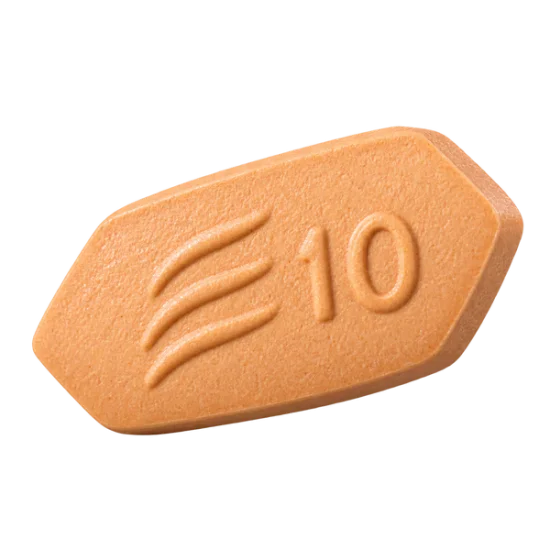
Product information
Prasugrel belongs to the thienopyridine class of antiplatelet agents. It is a P2Y12 inhibitor, also described pharmacologically as a purinergic P2Y12 receptor antagonist and platelet aggregation inhibitor. The active medicine is prasugrel, commonly formulated as prasugrel hydrochloride.
Pharmacological Classification and International Branding
Prasugrel is a third-generation thienopyridine derivative. Unlike a direct-acting reversible inhibitor, it requires conversion in the body to an active metabolite before it produces its antiplatelet effect.
A useful distinction is that platelet inhibition is not the same as dissolving an existing clot. Prasugrel prevents and limits platelet-rich clot growth; it does not function as a thrombolytic medicine.
Therapeutic indications
Prasugrel is prescribed in selected adults with acute coronary syndrome who are managed with percutaneous coronary intervention. Acute coronary syndrome includes unstable angina and myocardial infarction caused by reduced blood flow through a coronary artery.
Coronary artery disease can cause a ruptured plaque to expose substances that activate platelets. A coronary stent restores vessel diameter, yet the metal surface and the injured artery can promote platelet attachment during healing. Antiplatelet treatment reduces this risk.
The intended clinical benefit is a lower chance of ischaemic events, including myocardial infarction and stent thrombosis, when the medicine is appropriate for the patient. The Australian TGA and international cardiology guidance place strong emphasis on balancing this benefit against major bleeding risk [1].
Role in Percutaneous Coronary Intervention
Prasugrel is generally introduced as part of dual antiplatelet therapy, with aspirin providing a second platelet pathway of inhibition. The combination is used for a defined period chosen by the treating cardiology team.
Post-PCI monitoring involves more than checking whether chest pain has improved. Clinicians watch for bleeding from the access site, blood in urine or stool, unexplained bruising, falling haemoglobin, recurrent chest discomfort, and neurological symptoms.
Patients sometimes assume that a small bruise means treatment has failed. Small bruises can occur because platelet function is reduced, while sudden weakness, severe headache, black stools, or vomiting blood require urgent medical assessment.
Directions for use
Prasugrel is taken as tablets. The amount and frequency depend on the purpose of treatment and are agreed with a doctor or pharmacist. Cardiologists commonly use an initial loading dose during or around PCI, followed by a once-daily maintenance dose.
The treatment plan can include:
- A loading dose selected for the acute coronary event and PCI setting.
- A maintenance dose taken at the same time each day.
- Aspirin as the second component of dual antiplatelet therapy.
- A duration determined by stent-related risk, bleeding risk, and recovery.
- Review of the plan before surgery, invasive procedures, or changes in anticoagulant treatment.
Prasugrel tablets may be taken with or without food unless the prescriber gives different instructions. Swallow the tablet with water. Do not double the next dose after a missed dose; the correct action depends on how close the next scheduled dose is and the individual treatment plan.
The FDA prescribing information describes prasugrel dosing within the acute coronary syndrome and PCI setting, with special restrictions for older adults and people with lower body weight [2].
A phone reminder linked to a regular daily activity can reduce missed maintenance doses. Keep the reminder separate from any instruction to take extra tablets after a missed dose.
When not to use it
The medicine is generally ruled out or requires specialist review in the following situations:
- Previous transient ischaemic attack or stroke.
- Active pathological bleeding.
- Previous intracranial bleeding.
- Severe liver disease or a condition that substantially raises bleeding risk.
- Known allergy to prasugrel or another thienopyridine.
- Age 75 years or older, unless a cardiologist identifies a strong clinical reason.
- Body weight below 60 kg, where a lower maintenance approach may be considered.
- Planned coronary artery bypass graft surgery.
- Pregnancy or breastfeeding, unless the cardiology and obstetric teams judge treatment necessary.
- Concurrent anticoagulant treatment or repeated use of non-steroidal anti-inflammatory medicines.
The combination with warfarin, direct oral anticoagulants, heparins, or fibrinolytic medicines can substantially increase bleeding. Selective serotonin reuptake inhibitors, corticosteroids, and regular ibuprofen can also add bleeding risk.
The EMA product information highlights the need to assess age, body weight, previous cerebrovascular disease, surgery, and concomitant medicines before prasugrel is selected [4].
Unwanted effects
Bleeding is the main adverse effect associated with Prasugrel. It can appear as nosebleeds, gum bleeding, bruises, prolonged bleeding from small cuts, heavier menstrual bleeding, blood in urine, or black stools.
More serious bleeding can occur in the gastrointestinal tract, inside the skull, or at a surgical site. Emergency assessment is needed for vomiting blood, coughing blood, severe or persistent headache, sudden weakness, confusion, fainting, or a rapidly enlarging bruise.
Other possible problems include:
- Anaemia caused by ongoing blood loss.
- Low blood pressure after substantial bleeding.
- Hypersensitivity reactions, such as rash, swelling, or breathing difficulty.
- Rare thrombotic thrombocytopenic purpura, involving low platelets and small-vessel clotting.
- Bleeding from the arterial access site after coronary intervention.
Prasugrel does not cause the typical stomach irritation associated with aspirin, yet the combination with aspirin can raise the total bleeding burden. Alcohol can also increase the chance of falls, stomach irritation, and poor judgement around bleeding symptoms.
One practical detail is easy to miss: shaving cuts, flossing injuries, and vigorous contact sports may produce longer bleeding during treatment. A bruise that expands without a clear injury deserves attention.
Mechanism of action
Mechanism of Action and Platelet Inhibition
Prasugrel is converted in the liver and other tissues into an active metabolite. This metabolite binds irreversibly to the platelet P2Y12 receptor, which normally responds to adenosine diphosphate, or ADP. This receptor helps amplify platelet activation. Blocking it reduces platelet aggregation. The effect supports prevention of new platelet-rich clots after PCI.
The sequence is straightforward:
- Prasugrel enters the bloodstream after oral administration.
- Enzymatic conversion produces the active metabolite.
- The active metabolite attaches to the P2Y12 receptor.
- ADP signalling is reduced.
- Platelet activation and aggregation become less likely.
Because the interaction is irreversible, an affected platelet remains inhibited for its lifespan. New platelets must be produced before normal platelet activity returns. This explains why bleeding precautions continue after the last tablet.
Metabolic Conversion and Receptor Antagonism
Prasugrel generally produces more consistent platelet inhibition than clopidogrel because its activation pathway is less dependent on variable metabolic steps. The clinical effect still varies between patients, and a stronger antiplatelet effect also means a greater need to screen for bleeding hazards.
High on-treatment platelet reactivity describes platelet activity that remains higher than intended during treatment. It may contribute to thrombotic events, while excessive inhibition increases bleeding risk. These are opposite clinical problems, so dose selection cannot be based on potency alone.
Comparison
Prasugrel, clopidogrel, and ticagrelor all target P2Y12-related platelet activation, yet they differ in activation, reversibility, and bleeding profile.
| Medicine or category |
Pharmacological profile |
Main clinical trade-off |
| Prasugrel |
Irreversible thienopyridine P2Y12 inhibition after activation |
Strong, predictable inhibition with significant bleeding restrictions |
| Clopidogrel |
Irreversible thienopyridine requiring several metabolic steps |
Variable response and possible drug resistance |
| Ticagrelor |
Reversible, direct-acting P2Y12 inhibition |
Rapid effect, with bleeding and breathlessness concerns |
Clopidogrel remains useful in many cardiovascular situations, yet genetic differences, drug interactions, and metabolic variability can produce reduced platelet inhibition. The term drug resistance is often used when platelet activity remains high despite treatment.
Ticagrelor does not require the same type of metabolic activation as Prasugrel and has a reversible binding pattern. Its clinical profile differs, so the choice depends on the coronary event, bleeding risk, respiratory symptoms, heart rhythm, kidney function, and planned procedures.
Prasugrel may be favoured when a strong and predictable antiplatelet effect is needed during PCI. It is unsuitable for some patients, including those with a previous transient ischaemic attack or stroke. The TRITON-TIMI 38 trial found reduced ischaemic events with prasugrel in selected PCI patients but also identified clinically meaningful bleeding concerns [3].
What doctors say
In cardiology practice, Prasugrel is viewed as a specialised PCI medicine rather than a general treatment for chest discomfort. It is selected when the expected reduction in platelet-mediated coronary events outweighs the risk of bleeding.
Doctors usually focus on four questions:
- Was the coronary event treated with PCI?
- Has the patient had a previous stroke or transient ischaemic attack?
- Is body weight below 60 kg or age advanced?
- Are anticoagulants, surgery, kidney disease, liver disease, or recurrent bleeding present?
The most common prescribing mistake is treating the tablet as if it were a short course that can be stopped whenever the patient feels better. The stent remains part of the patient’s coronary anatomy after symptoms improve, and premature interruption can expose the patient to thrombosis.
A cardiologist may later adjust dual antiplatelet therapy, but that decision follows the balance between ischaemic risk and bleeding risk. The American College of Cardiology and American Heart Association describe antiplatelet duration as an individualised decision rather than one fixed schedule for every PCI patient [5].