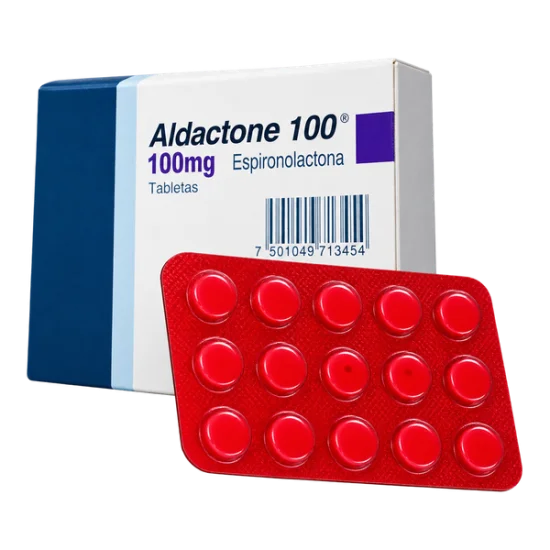
I used Aldactone at the prescribed dose for heart-failure-related ankle swelling. The first week involved more bathroom trips, but after several weeks my shoes felt less tight. My potassium test was repeated after the dose changed.
Several weeks 29 Oct 2026
Aldactone
Adults with fluid retention, heart failure, hypertension, or excess aldosterone may be prescribed Aldactone. Its active ingredient, spironolactone, helps the kidneys remove sodium and water while…
Adults with fluid retention, heart failure, hypertension, or excess aldosterone may be prescribed Aldactone. Its active ingredient, spironolactone, helps the kidneys remove sodium and water while limiting potassium loss.
Product information
Aldactone contains spironolactone, a potassium-sparing diuretic and aldosterone antagonist. The amount taken at each intake is selected individually rather than being one fixed amount for every person.
Ingredients
Spironolactone blocks aldosterone, a hormone that signals the kidneys to retain sodium and water while excreting potassium.
This action gives Aldactone two clinical roles:
- It reduces excess fluid in conditions such as heart failure, liver disease, and certain kidney disorders.
- It can lower blood pressure by reducing sodium and fluid retention.
- It helps counter excess aldosterone in primary hyperaldosteronism.
- Its anti-androgen activity supports some specialist uses in dermatology and endocrinology.
A generic form of spironolactone contains the same active pharmaceutical ingredient and works through the same pharmacological pathway. The name on the tablet does not change the need for individual dose selection, kidney assessment, or potassium monitoring.
The amount taken at each intake is selected individually rather than being one fixed amount for every person. Some people require a lower total daily amount, while others receive a divided regimen or a different strength selected by the prescriber.
Therapeutic indications
Aldactone is used for several conditions in which aldosterone, fluid retention, or blood pressure contributes to illness. The US Food and Drug Administration recognises spironolactone for heart failure, hypertension, oedema, and primary hyperaldosteronism; Australian prescribing decisions also depend on the Therapeutic Goods Administration framework and the individual clinical situation [1].
Heart failure
In selected patients with heart failure and reduced ejection fraction, spironolactone can reduce aldosterone-related sodium retention and may lower the risk of hospitalisation and cardiovascular death when used with other heart-failure treatment. Its potassium-sparing action also means that blood potassium and renal function require attention.
Hypertension
Aldactone may be added when blood pressure remains high despite other medicines, especially when primary aldosteronism or treatment-resistant hypertension is suspected. It is not usually chosen as the only first treatment for every person with uncomplicated high blood pressure.
Oedema and fluid retention
Spironolactone can reduce oedema associated with heart failure, cirrhosis, and some kidney conditions. Less fluid may ease ankle swelling, abdominal fluid accumulation, and breathlessness caused by congestion.
Primary hyperaldosteronism
Primary hyperaldosteronism occurs when the adrenal glands produce too much aldosterone. The hormone raises sodium retention and promotes potassium loss. By blocking aldosterone, spironolactone can help control the resulting hypertension and low potassium while the underlying cause is assessed.
The response is followed through symptoms, blood pressure, body weight, kidney results, sodium, and potassium. A sudden fall in swelling does not always mean the underlying condition has been corrected.
Spironolactone also has specialist off-label uses because it blocks androgen receptors and reduces androgen production. These applications require a clinician to consider sex, age, pregnancy potential, menstrual history, kidney function, and other medicines.
Common specialist applications include:
- Hormonal acne, especially when androgen sensitivity contributes to recurrent lesions.
- Androgenic alopecia in selected women, where excessive androgen activity contributes to hair thinning.
- Polycystic ovary syndrome, sometimes described in clinical discussions as a polyendocrine metabolic ovarian syndrome, when androgen-related symptoms are present.
These uses are not interchangeable with treatment for heart failure or oedema. Improvement in acne may require several weeks, while hair-density changes often take several months and may need continued treatment. Spironolactone can cause menstrual irregularity, breast tenderness, and increased potassium, so dermatology or endocrinology follow-up is needed.
Pregnancy requires special attention. Anti-androgen effects may affect a male fetus, so spironolactone is generally avoided during pregnancy unless a specialist identifies a compelling reason and provides a clear plan.

Directions for use
The amount per intake is set individually for each person rather than being one fixed amount for everyone. The prescriber chooses the regimen according to the diagnosis, age, kidney function, blood pressure, potassium level, and response.
- Take Aldactone tablets by mouth at the prescribed frequency.
- Taking the tablet with food can help make absorption more consistent and may reduce stomach discomfort.
- If the regimen is once daily, morning administration may reduce overnight urination.
- If a second dose is prescribed, taking it earlier in the day can limit sleep disruption.
- Swallow the tablet with water unless a prescriber gives different instructions.
- Do not change the dose because swelling or blood pressure improves.
- If a dose is missed, take it when remembered unless the next dose is due soon; do not double the next intake.
The tablet should not be split, crushed, or substituted into a different regimen unless the prescriber or dispensing pharmacist confirms that the tablet is suitable for that use. Aldactone treatment can be long-term in heart failure or persistent aldosterone excess, while other courses may be adjusted after laboratory review.
Potassium blood tests are often checked before treatment and after dose changes. Further testing may be needed when kidney function is reduced or when another medicine that raises potassium is started.
When not to use it
- Addison’s disease or primary adrenal insufficiency.
- Existing hyperkalaemia.
- Severe renal impairment, acute kidney injury, or very low urine production.
- Previous serious reaction to spironolactone or an excipient in the formulation.
- Concomitant use of eplerenone or another aldosterone antagonist unless specifically directed.
- Pregnancy, when used for anti-androgen purposes.
- Treatment with medicines that can substantially raise potassium without a monitoring plan.
Important interactions include ACE inhibitors such as lisinopril, angiotensin-receptor blockers such as losartan, potassium supplements, potassium-containing salt substitutes, trimethoprim, and some other medicines that affect renal potassium handling. Aspirin and other salicylates may require review, especially in people with kidney impairment. Ibuprofen and similar non-steroidal anti-inflammatory drugs deserve the same caution.
When this is not for you
Aldactone is not suitable for everyone. NOT for you if: you have hyperkalaemia, severe renal impairment, Addison’s disease, or an interaction that cannot be monitored safely.
Addison’s disease is a clear contraindication because adrenal insufficiency can already reduce aldosterone activity. Blocking the remaining aldosterone effect may worsen sodium loss, low blood pressure, and potassium elevation.
Unwanted effects
Aldactone changes salt and water handling, and it also affects hormone pathways. That combination explains why side effects can involve electrolytes, blood pressure, digestion, menstruation, or breast tissue. Product information from the FDA and pharmacovigilance material reviewed by the EMA describe hyperkalaemia, renal effects, dizziness, headache, and endocrine reactions among the clinically relevant concerns [2].
| Effect or concern | Practical significance |
|---|---|
| High potassium, or hyperkalaemia | May cause muscle weakness, tingling, palpitations, or dangerous heart-rhythm changes |
| Dizziness or low blood pressure | More likely during fluid loss, dose changes, or dehydration |
| Breast tenderness or gynecomastia | Hormonal effects can cause breast enlargement or discomfort |
| Headache, nausea, or stomach upset | Often mild, but persistent symptoms need review |
| Menstrual changes | Irregular bleeding or altered cycle length may occur |
| Reduced kidney function | Can increase potassium and spironolactone exposure |
Hyperkalaemia can occur without early symptoms. Severe weakness, a fluttering heartbeat, fainting, or new chest discomfort needs urgent medical assessment.
Gynecomastia is a recognised effect in men and can develop after continued exposure. It may improve after dose reduction or discontinuation, though resolution can take time. Women may notice breast tenderness or cycle changes instead.
Aldactone can also cause dehydration. Timing can affect comfort. Dry mouth, thirst, postural dizziness, and unusually dark urine suggest that fluid balance may need review, especially during hot weather, vomiting, diarrhoea, or heavy sweating.
One practical detail is easy to miss: ibuprofen and other non-steroidal anti-inflammatory drugs can reduce kidney blood flow and may increase the risk of kidney problems or potassium elevation when combined with spironolactone.
Mechanism of action
Spironolactone blocks aldosterone, a hormone that signals the kidneys to retain sodium and water while excreting potassium. Its anti-androgen activity supports some specialist uses in dermatology and endocrinology.
Common mistakes
Several practical errors can make Aldactone appear ineffective or increase the chance of harm.
- Taking extra tablets for swelling. Fluid retention can reflect worsening heart failure, liver disease, or kidney disease. Increasing the dose without assessment can produce dehydration or hyperkalaemia.
- Using potassium salt substitutes. Products marketed as low-sodium salt may contain potassium chloride.
- Taking ibuprofen repeatedly without mentioning it. Regular use can affect renal blood flow and interfere with fluid management.
- Stopping after frequent urination improves. The underlying aldosterone or heart-failure problem may remain active even when swelling looks better.
- Ignoring breast or menstrual symptoms. These effects can guide a prescriber when deciding whether another aldosterone blocker would be more suitable.
- Missing blood tests after a dose change. Potassium and creatinine results are part of treatment control, not optional extras.
- Taking the dose late at night. Night-time urination can disturb sleep and encourage skipped doses.
- Assuming herbal products are automatically compatible. Some products affect blood pressure, kidney function, or electrolytes.
Comparison
| Treatment category | Main action and potassium effect | Typical clinical role |
|---|---|---|
| Spironolactone, including Aldactone | Blocks aldosterone; tends to retain potassium | Heart failure, resistant hypertension, oedema, hyperaldosteronism |
| Furosemide, marketed in some settings as Lasix | Loop diuretic; can lower potassium | Rapid or substantial fluid removal in congestion |
| Eplerenone or other selective aldosterone blockade | Aldosterone blockade with fewer sex-hormone effects; can still raise potassium | Selected heart-failure or aldosterone-related treatment |
Furosemide may produce a stronger, faster diuretic effect, but it can cause potassium and magnesium loss. Spironolactone has a slower, hormone-directed role and may be more useful when aldosterone is a major driver.
Eplerenone is more selective for the mineralocorticoid receptor and may cause fewer breast-related effects than spironolactone. It still carries a hyperkalaemia risk and may not be suitable in significant kidney impairment.
Aldactone can be combined with other medicines in carefully designed regimens, but combination therapy increases the need for laboratory monitoring. The choice depends on the diagnosis rather than on which tablet appears strongest.
What doctors say
In clinical practice, physicians usually treat the potassium result as seriously as the blood-pressure reading when prescribing spironolactone. A good response means improved fluid balance or blood pressure without dangerous changes in kidney function or electrolytes. NICE guidance also emphasises monitoring kidney function and electrolytes.
Doctors also set expectations around timing. Increased urination may appear relatively early, while improvement in oedema, breathlessness, or blood pressure can take longer. Anti-androgen effects for acne or hair loss develop on a different timetable and should not be judged after only a few days.
A clinician will usually ask about:
- Kidney disease or previous abnormal kidney tests.
- Addison’s disease or other adrenal disorders.
- Salt substitutes and potassium products.
- ACE inhibitors, angiotensin-receptor blockers, anti-inflammatory painkillers, and trimethoprim.
- Pregnancy, breastfeeding, or plans to become pregnant.
- Breast tenderness, menstrual changes, or sexual side effects.
One common prescribing mistake is focusing only on the tablet strength. A 100 mg tablet does not mean that 100 mg is the correct daily amount for every patient.
What customers often ask
Which condition rules out Aldactone completely?
Addison’s disease, existing hyperkalaemia, and severe renal impairment can rule out Aldactone or require specialist alternatives. The 2023 FDA prescribing information identifies hyperkalaemia and Addison’s disease as important contraindication concerns, with renal function also central to selection [3]. Potassium-raising combinations can create a similar problem even when kidney disease has not been diagnosed. A prescriber should review kidney function, potassium, urine production, and interacting medicines before treatment begins. The plan may also change when kidney function or potassium shifts.
How soon can the effect of Aldactone become noticeable?
Urination may increase soon after a dose, while reduction in oedema or improvement in blood pressure may take longer. The 2024 EMA product information describes spironolactone as a treatment whose response is assessed through the clinical condition and laboratory results rather than through a single immediate symptom [4]. Acne and hair-related uses usually require a longer observation period than fluid treatment. Do not increase the amount because the first few doses do not produce a visible change.
Can alcohol be used while taking Aldactone?
Alcohol can worsen dizziness, low blood pressure, dehydration, and poor balance while Aldactone is being used. The 2023 WHO notes that alcohol-related fluid loss and cardiovascular strain can complicate treatment of conditions involving blood pressure or heart function [5]. The risk is greater during hot weather, vomiting, diarrhoea, or a recent dose increase. Discuss alcohol intake with the treating clinician if heart failure, liver disease, low blood pressure, or recurrent dizziness is present.
What should be checked before starting Aldactone?
The prescriber generally reviews kidney function, serum potassium, blood pressure, urine output, pregnancy status where relevant, and all current medicines. The 2024 TGA treatment principles require attention to product-specific warnings and patient factors rather than relying on tablet strength alone. ACE inhibitors, angiotensin-receptor blockers, potassium supplements, salt substitutes, trimethoprim, ibuprofen, and other anti-inflammatory medicines deserve explicit discussion. A repeat blood test may be arranged after starting treatment or changing the dose.
Can Aldactone cause gynecomastia?
Yes. Spironolactone can cause gynecomastia, breast tenderness, or other hormone-related effects because it interacts with androgen and progesterone pathways. The 2023 FDA label describes gynecomastia as a recognised adverse reaction, with risk influenced by dose and duration . Report a new breast lump, persistent pain, nipple discharge, or rapid enlargement so the cause can be assessed. Women may experience breast tenderness or menstrual changes instead.
Which symptoms require urgent medical attention?
Seek urgent medical help for fainting, severe weakness, confusion, chest discomfort, a new irregular heartbeat, severe breathlessness, or very little urine. These symptoms can indicate serious electrolyte disturbance, kidney deterioration, dehydration, or worsening heart failure. Severe vomiting, rapidly increasing swelling, or sudden weight gain also requires prompt assessment. The 2024 EMA and 2023 FDA safety information supports urgent evaluation when symptoms suggest hyperkalaemia, acute renal impairment, or significant fluid imbalance .
Do you offer anonymous delivery?
Your order will be securely packed and shipped within 24 hours. This is exactly what your package will look like (images of an actual item sent). It has the size and look of a regular private letter (24x11x0.7 cm) and its contents cannot be seen.
Comparison
Sources
- U.S. Food and Drug Administration (2023). Aldactone (spironolactone) Prescribing Information.
- European Medicines Agency (2024). Spironolactone-containing medicinal products: product information.
- U.S. Food and Drug Administration (2023). Aldactone: Contraindications, warnings, and precautions.
- European Medicines Agency (2024). Summary of Product Characteristics for spironolactone.
- World Health Organization (2023). Alcohol and health: information and guidance.
How Buyers Rate Aldactone
Based on 5 reviews
My blood pressure improved after spironolactone was added at the prescribed dose to my other tablets. I felt light-headed when standing during the first few days, so the dose and timing were reviewed rather than increased.
The first few days 10 Oct 2026I took it at the prescribed dose for hormonal acne for about three months. My skin became less oily, although I developed breast tenderness and irregular symptoms that made me discuss a different plan.
About three months 7 Nov 2026Aldactone at the prescribed dose helped with fluid retention, but I did not like the frequent urination when I took it late in the day. Moving the dose earlier made daily life easier.
20 Oct 2026The treatment at the prescribed dose helped my swelling, but I missed a blood test and later felt weak with palpitations. The potassium result was high, and the medicine was stopped while the cause was assessed.
12 Oct 2026