Skip to content
In Stock Chlorhexidine
Skin Care

Chlorhexidine

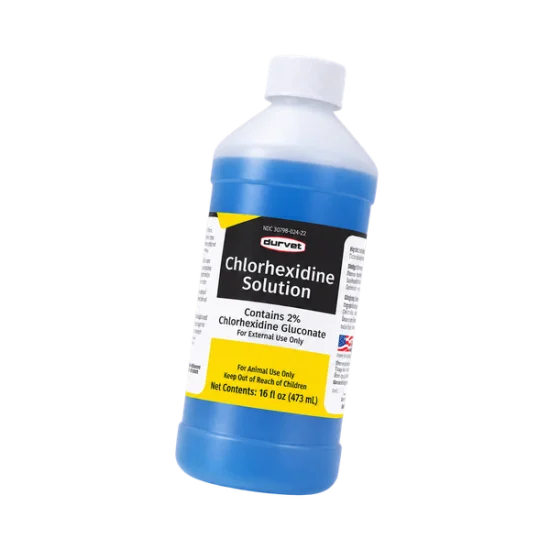
Chlorhexidine disrupts microbial cell membranes at the site of application, helping reduce bacteria on skin and other suitable external surfaces. Chlorhexidine is a 2% chlorhexidine gluconate…

Guaranteed quality Original product
Delivery: from 4 days Discreet shipping
24/7 Support Always available
Active ingredient: Chlorhexidine
Select dosage:
Select pack Package Per unit Price
Free Regular Delivery $ 67.94 $ 407.62
Free Express Delivery $ 56.81 $ 815.24 $ 681.74 Save 16%
Free Express Delivery $ 53.00 $ 1,222.86 $ 954.08 Save 22%
Best value Free Express Delivery $ 51.10 $ 1,630.48 $ 1,226.42 Save 25%
$ 56.37 $ 169.10
$ 38.45 $ 281.83 $ 192.24 Save 32%
Best value $ 25.10 $ 563.67 $ 250.98 Save 55%

Free delivery on orders from $ 356.00, free express delivery from $ 534.00

Secure payment methods:
VISA AMEX JCB DISCOVER

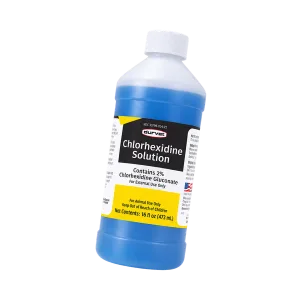
Chlorhexidine disrupts microbial cell membranes at the site of application, helping reduce bacteria on skin and other suitable external surfaces. Chlorhexidine is a 2% chlorhexidine gluconate solution in a bottle for external use, with the amount and frequency selected according to the intended purpose by a doctor or pharmacist.

Product information

Chlorhexidine is a cationic antiseptic from the bisbiguanide group. Chlorhexidine gluconate is the most familiar water-soluble form used in topical antiseptic preparations.

Ingredients

Chlorhexidine is a cationic antiseptic from the bisbiguanide group. The product described here contains chlorhexidine gluconate at a 2% concentration and is intended for external use. Its positively charged molecules bind to negatively charged microbial cell surfaces, disturbing membrane integrity and reducing viable organisms.

Chlorhexidine gluconate is the most familiar water-soluble form used in topical antiseptic preparations. Chlorhexidine acetate and chlorhexidine diphosphanilate are chemical salt forms that may be discussed in pharmaceutical chemistry, but they should not be treated as interchangeable products. Solubility, concentration, excipients, intended surface, and regulatory directions determine how a formulation may be used.

Some chlorhexidine gluconate preparations have been reviewed by the US Food and Drug Administration for antiseptic applications [1]. The product on this page is a bottle of 2% solution marked for external use.

Chemical form Practical pharmaceutical relevance Key limitation
Chlorhexidine gluconate Water-soluble form used in topical antiseptic solutions Formulation-specific directions apply
Chlorhexidine acetate Salt form with pharmaceutical chemistry relevance Not interchangeable with a 2% gluconate solution
Chlorhexidine diphosphanilate Less familiar chlorhexidine salt Clinical use depends on the specific formulation
A 2% external solution should not be used as a mouthwash, swallowed, injected, or placed into the eyes or ear canal unless a specific medical product has been prescribed for that route.

The concentration alone does not define the correct application. A solution suitable for skin preparation may be unsuitable for open wounds, mucous membranes, dental use, or implanted-device procedures.

Therapeutic indications

Chlorhexidine mouthwash has a separate role in dentistry from the 2% external solution sold here. Dental chlorhexidine formulations may be used for short periods to reduce plaque and support management of plaque-induced gingivitis, usually when routine brushing and interdental cleaning are insufficient or temporarily difficult.

Gingivitis involves inflammation of the gum margin associated with dental plaque biofilm. Chlorhexidine can reduce bacterial adherence and plaque accumulation, but prolonged oral exposure may cause tooth staining, altered taste, oral irritation, and increased calculus formation. A dental formulation is therefore generally used as a time-limited therapeutic rinse rather than indefinite daily maintenance.

Clinical trials and Cochrane reviews have found that chlorhexidine mouthwash can reduce plaque and gingival inflammation compared with placebo mouthwash, though adverse effects increase with longer use [2]. Results depend on the concentration, rinse instructions, dental condition, and duration.

Toothpaste ingredients can reduce the activity of some oral chlorhexidine formulations. Dental instructions may separate brushing and rinsing, but that advice applies to an oral product, not to this external solution.

Chlorhexidine does not replace mechanical plaque removal. Brushing along the gum line, cleaning between teeth, and professional dental care remain central to gingivitis management.

Directions for use

  • Dose: The bottle contains a 2% chlorhexidine gluconate solution. How much to use depends on the intended purpose and should be agreed with a doctor or pharmacist.
  • Frequency: Apply it as often as directed for the intended purpose; the number of applications per day is selected by a doctor or pharmacist.
  • Timing: Use it at the time directed for the intended procedure. No specific before- or after-meal timing applies because this product is for external use.
  • Duration: Use it for the period selected by a doctor or pharmacist for the intended purpose.
  • Route: Apply topically to the suitable external site only. Do not use it as a mouthwash or take it by mouth.
  • Confirm that the intended site and procedure are suitable before application. Do not extend use to nearby areas or use it around medical devices or materials unless the procedure specifically permits it.

When not to use it

Chlorhexidine must be kept away from the eyes, brain tissue, meninges, middle ear, and deep body cavities. Serious eye injury has been reported after accidental exposure to chlorhexidine-containing antiseptics. Immediate flushing with clean water is needed after eye contact, followed by urgent medical assessment if pain, redness, blurred vision, or light sensitivity persists.

Chlorhexidine must never be injected into a joint or used as an irrigation fluid inside a joint.

Chlorhexidine can interact with some anionic substances, soaps, and other cleansing agents. Residues may reduce antiseptic activity or increase irritation. Do not mix it with another antiseptic or cleaning chemical in the same container.

The main safety concern is usually not a systemic drug interaction. It is incorrect route, excessive exposure, incompatible chemical mixing, or use on tissue that cannot tolerate the concentration.

When this is not for you

This product is not for you if any of the following applies:

  • You have had an allergic reaction to chlorhexidine or a previous chlorhexidine-containing antiseptic.
  • You plan to use it in the eyes, ear canal, mouth, vagina, rectum, joint, or another internal site.
  • You intend to inject it or use it inside a deep wound or body cavity.
  • You need treatment for a deep wound, severe burn, animal bite, puncture injury, or extensive tissue damage without clinical direction.
  • You are treating an infant, especially a premature or very young newborn, without a clinician selecting the formulation and site.
  • You have a wound close to the brain, spinal cord, eye, or middle ear.
  • You have developed rash, swelling, blistering, or breathing symptoms after an earlier application.

Unwanted effects

External chlorhexidine can cause local irritation, dryness, redness, itching, rash, or contact dermatitis. Reactions may occur after one exposure or after repeated use. Allergic contact dermatitis is different from immediate anaphylaxis, though both require the product to be stopped when chlorhexidine is suspected.

Serious hypersensitivity is uncommon but medically urgent. Warning signs include widespread hives, swelling of the lips or tongue, wheezing, breathing difficulty, faintness, or rapidly worsening weakness. Anaphylactic reactions require emergency treatment.

Use becomes more hazardous when chlorhexidine enters the eyes, middle ear, central nervous system, or deep tissues. Eye exposure can cause severe injury. Chlorhexidine also has cytotoxic effects on some healing tissues, which is why concentration and application site matter.

Chondrolysis is a rare, serious cartilage complication associated with exposure to certain antiseptic irrigation practices, including chlorhexidine-containing solutions in inappropriate intra-articular settings. Chlorhexidine must never be injected into a joint or used as an irrigation fluid inside a joint.

Stop external use if burning, blistering, marked swelling, or a spreading rash develops. Breathing difficulty, facial swelling, collapse, or throat tightness requires emergency care rather than another application.

A small amount of staining is more relevant to oral chlorhexidine products than to this external solution. Swallowing risk is still important because this bottle is intended for external use only.

Mechanism of action

Chlorhexidine gluconate acts mainly at the microbial cell envelope. Its cationic molecules attach to the negatively charged bacterial surface, alter membrane permeability, cause leakage of intracellular material, and can produce cell death at sufficient concentrations.

The effect is usually stronger against many Gram-positive bacteria, while activity against Gram-negative organisms varies by species, concentration, organic material, and exposure time. Escherichia coli and Salmonella can be disrupted by chlorhexidine gluconate under suitable laboratory conditions, but laboratory activity does not guarantee adequate decontamination of every surface or clinical site.

Chlorhexidine is not a universal antimicrobial. Some bacterial spores, mycobacteria, and non-enveloped viruses may show limited susceptibility. Organic matter can reduce antiseptic activity, and rinsing the product away too quickly may reduce contact time.

Nystatin is an antifungal medicine with a different mechanism. It binds fungal membrane sterols rather than acting as a chlorhexidine-style cationic antiseptic. Chlorhexidine should not be selected as a substitute for an antifungal treatment when candidiasis or another fungal infection is suspected.

The World Health Organization describes chlorhexidine-based antisepsis as a formulation- and procedure-dependent intervention, with preparation, concentration, contact time, and site all affecting performance [3].

Common mistakes

Several errors reduce benefit or increase harm:

  • Using an external 2% solution as a mouthwash or gargle.
  • Applying it to the eyes, ear canal, or deep wound.
  • Mixing it with soap, iodine, hydrogen peroxide, or another antiseptic.
  • Assuming a stronger concentration is always better.
  • Reapplying it repeatedly after irritation begins.
  • Covering a large treated area without instructions.
  • Using it for a fungal infection because the skin looks inflamed.
  • Continuing self-treatment when a wound is deep, infected, painful, foul-smelling, or slow to heal.
  • Failing to mention a previous chlorhexidine reaction before a procedure.

One easily missed detail is the difference between external antisepsis and wound cleansing. A clinician may use chlorhexidine around a wound while choosing another fluid for the wound bed itself.

Another common mistake is treating a bottle concentration as a universal dose. The amount and frequency depend on the intended use and are agreed with a doctor or pharmacist.

Comparison

Antiseptic choice depends on the body site, expected organisms, tissue condition, contact time, allergy history, and procedure. Chlorhexidine gluconate may provide persistent antimicrobial activity on skin, while povidone iodine has a broad spectrum that includes bacteria, fungi, viruses, and some spores. Polyhexamethylene biguanide is used in selected wound-care products and has a different formulation profile.

No single antiseptic is best for every wound or preparation. Some comparative clinical studies have reported superior outcomes with povidone iodine in particular settings, while other procedures favour chlorhexidine because of residual activity. The result depends on the procedure rather than on the ingredient name alone.

Agent category Main characteristic Main limitation
Chlorhexidine gluconate Strong membrane-active antisepsis with residual activity on suitable skin Eye, ear, neural-tissue, mucosal, and tissue-toxicity restrictions
Povidone iodine Broad antimicrobial spectrum across many organism groups Iodine sensitivity, thyroid-related considerations, and tissue or systemic restrictions in selected patients
Polyhexamethylene biguanide Used in some wound-care formulations with tissue-compatibility aims Product-specific indications and evidence vary

Povidone iodine is not automatically safer for every site. Chlorhexidine is not automatically preferable for every procedure. A clinician may select one agent over another after considering allergies, thyroid disease, wound depth, pregnancy, neonatal age, and the intended contact surface.

What doctors say

In clinical practice, doctors and nurses usually make three decisions before selecting chlorhexidine: the target site, the required antimicrobial purpose, and whether the tissue can tolerate the formulation. A 2% external solution may be appropriate for one skin-preparation task and unsuitable for an open wound or mucosal surface.

A doctor will also consider previous chlorhexidine allergy. This history matters because repeated exposure can produce increasingly noticeable reactions in some people. Healthcare workers should be told about any prior rash, swelling, breathing difficulty, or severe eye exposure linked to antiseptics.

A clinician may choose saline, povidone iodine, polyhexamethylene biguanide, or another approach when tissue compatibility is the priority. The decision changes with wound depth, contamination, burns, age, pregnancy, implanted devices, and the planned procedure.

The practical advice is simple: use the smallest area and shortest duration that match the intended purpose, avoid sensitive structures, and do not extend the product to a new site without professional direction.

What customers often ask

Can people under 18 use Chlorhexidine?

Age suitability depends on the application site, formulation, and clinical purpose. The WHO and TGA treat chlorhexidine use as formulation-specific, and an external 2% solution should not be applied to a child without a doctor or pharmacist selecting the appropriate use. Age, skin maturity, wound type, and allergy history remain central to that decision in 2026.

Do diet, exercise, or daily habits affect the result?

For external antiseptic use, diet and exercise do not replace correct site selection, contact time, or wound care. The WHO guidance published in 2016 emphasises procedure, preparation, and application conditions rather than dietary changes. Good hand hygiene and avoiding repeated contamination can support the intended result, while sweating, friction, and covering treated skin may increase irritation.

Can Chlorhexidine affect driving, concentration, or machinery work?

External chlorhexidine is not expected to cause the sedation associated with medicines that act on the brain. The TGA's 2025 safety principles for topical products still support caution if a person develops dizziness from an allergic reaction, feels faint, or has eye exposure that affects vision. Do not drive or operate machinery while experiencing blurred vision, breathing difficulty, weakness, or a severe reaction.

Can alcohol be used while applying Chlorhexidine?

Drinking alcohol does not create the same type of direct interaction as it would with some oral medicines. The FDA product information (2022) for chlorhexidine gluconate products stresses external use and avoidance of contact with the eyes and sensitive tissues rather than an alcohol prohibition. Do not use alcohol-based household products to dilute or mix the solution, because the combined mixture may irritate skin and has not been prepared for this purpose.

Can Chlorhexidine cause an allergic reaction?

Yes. Chlorhexidine can cause allergic contact dermatitis and, rarely, immediate anaphylaxis. The EMA highlighted chlorhexidine hypersensitivity as a clinically important safety issue in medicines and medical products in 2019. Stop exposure and seek urgent care for facial swelling, wheezing, throat tightness, collapse, or rapidly spreading hives.

What should happen if the expected result does not occur?

Do not keep increasing the amount or frequency. A wound that becomes more painful, red, swollen, warm, foul-smelling, or slow to heal may need assessment for infection, foreign material, tissue damage, or a condition that chlorhexidine cannot treat. The Australian TGA's 2024 consumer-safety approach supports prompt clinical review when a topical product is not producing the expected response or is causing harm.

What should happen after a missed application?

Do not double the next application. Resume the agreed schedule when appropriate, unless the site is irritated or the intended procedure has already passed. WHO antisepsis guidance from 2016 supports following the procedure-specific schedule rather than compensating with excessive antiseptic exposure.

Do you offer anonymous delivery?

Your order will be securely packed and shipped within 24 hours. This is exactly what your package will look like (images of an actual item sent). It has the size and look of a regular private letter (24x11x0.7 cm) and its contents cannot be seen.

Comparison

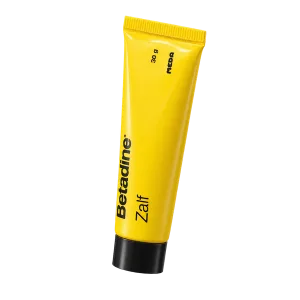
Betadine

Active ingredient: Povidone-iodine
10%
From $ 185.12
tubes
4.1 (4)

Chlorhexidine Current

Active ingredient: Chlorhexidine
0.2% 1%
From $ 169.10
bottles
3.8 (3)

Neem

Active ingredient: Neem
250mg
From $ 222.50
pills
3.6 (4)

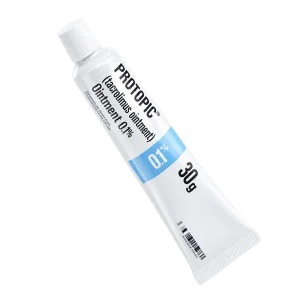
Protopic

Active ingredient: Tacrolimus
0.03%10gm
From $ 96.12
tubes
4 (3)

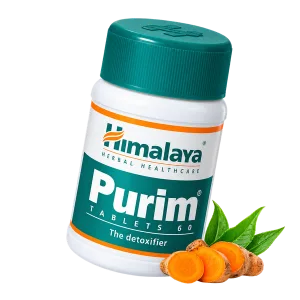
Purim

Active ingredient: Purim
292mg
From $ 174.44
pills
3.3 (4)

How the medicines for Skin Care compare

Effects on the Oral Microbiome and Saliva

Oral chlorhexidine can alter the mouth's microbial community beyond plaque reduction. Research has examined changes in bacterial groups such as Firmicutes, Proteobacteria, and Bacteroidetes after antiseptic mouthwash exposure.

Some studies have reported increased relative abundance of Firmicutes and Proteobacteria, with reduced representation of Bacteroidetes. These findings describe microbial proportions rather than proving that every person will experience the same change. Short-term oral treatment may have a useful dental purpose, while prolonged, unsupervised suppression of oral bacteria may affect normal microbial functions.

The oral microbiome contributes to nitrate metabolism. Chlorhexidine mouthwash can reduce bacterial conversion of nitrate into nitrite, which may influence nitric-oxide-related pathways. Studies have examined links with saliva pH, buffering capacity, salivary nitrite, and systolic blood pressure, though these findings do not establish that chlorhexidine treatment causes hypertension.

A clinical study published in 2017 reported changes in oral nitrate-reducing bacteria and blood-pressure-related measures after antiseptic mouthwash exposure [4]. The findings support short, clearly defined dental use rather than routine long-term mouthwash use without a dental indication.

These oral findings do not apply automatically to an external 2% solution. This product is not intended for rinsing, gargling, or swallowing.

Sources

  1. U.S. Food and Drug Administration (2022). DailyMed Label: Chlorhexidine Gluconate Solution
  2. Cochrane (2017). Chlorhexidine mouthrinse treatment for the prevention and treatment of gingivitis
  3. World Health Organization (2016). Global Guidelines for the Prevention of Surgical Site Infection
  4. University of Texas at Austin (2017). Antiseptic mouthwash impairs oral nitrate reduction and increases blood pressure in treated subjects

How Buyers Rate Chlorhexidine

Based on 3 reviews

Michael, 65 Verified
Rating: 3.5 out of 5

He used the solution for a short external skin-preparation course selected by his pharmacist. He reported no rash and liked that the bottle was easy to handle, but he stopped using it on a small area once the skin began to feel dry.

A short external skin-preparation course 2 Nov 2026
Luke, 44 Verified
Rating: 4 out of 5

He had initially assumed a 2% chlorhexidine solution could be used for a gum problem. After being advised to use a dental formulation instead, he noticed improvement with dental care, while the external bottle remained unused for oral treatment.

12 Nov 2026
Peter, 51 Verified
Rating: 4 out of 5

He used chlorhexidine for an external application over several days. The intended area improved, but he developed itching around the edges and discontinued it; the reaction settled after the product was removed.

Several days 14 Oct 2026
Get our free app Shop faster and track your orders 3.8 · 491 reviews Install