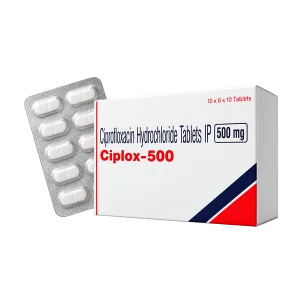
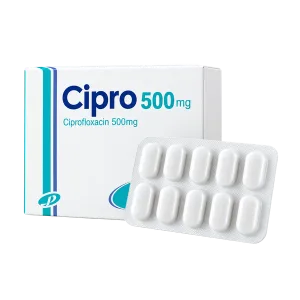
took Ciplox for a prescribed bacterial urinary infection. He noticed mild nausea on the first day and kept mineral supplements several hours apart. The urinary symptoms improved, but he avoided gym training after reading the tendon warning.
2 Nov 2026
Ciplox
Ciplox is intended for people whose confirmed or suspected bacterial infection requires systemic treatment. Its active ingredient, ciprofloxacin, works by blocking bacterial DNA enzymes so…
Ciplox is intended for people whose confirmed or suspected bacterial infection requires systemic treatment. Its active ingredient, ciprofloxacin, works by blocking bacterial DNA enzymes so susceptible bacteria stop growing.
Product information
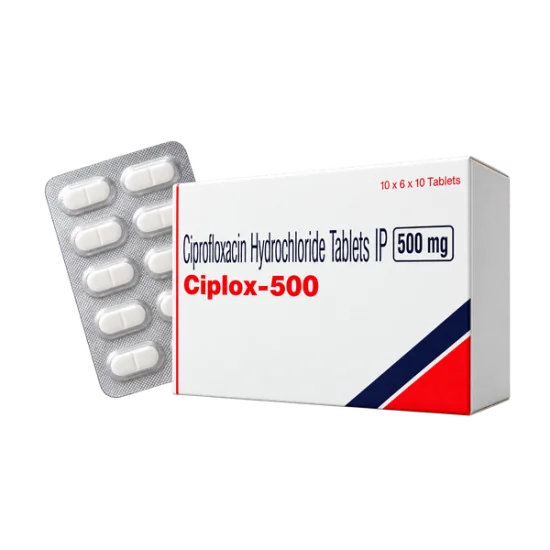
Patients with a confirmed bacterial infection may be prescribed Ciplox, a ciprofloxacin tablet for systemic treatment. It belongs to the fluoroquinolone antibiotic class and stops susceptible bacteria from reproducing. The amount and frequency depend on the purpose of use and are agreed with a doctor or pharmacist. Ciplox is intended for infections where ciprofloxacin is clinically appropriate, not for viral illnesses such as influenza or common colds.
Ingredients
The Ciplox product described here is a systemic tablet containing ciprofloxacin hydrochloride. The amount and frequency depend on the purpose of use and are agreed with a doctor or pharmacist.
Ciplox tablets deliver ciprofloxacin through the digestive system, so their use differs from topical antibiotic drops.
Therapeutic indications
Doctors may consider ciprofloxacin for certain complicated urinary tract infections, some gastrointestinal infections, selected respiratory or bone infections, and other bacterial conditions when the organism is susceptible. It is not automatically the first choice for every infection. Fluoroquinolone safety restrictions mean that clinicians reserve it for situations where its expected benefit justifies its risks.
A culture and sensitivity test can show whether the infecting organism is susceptible, though treatment may begin before results return when the clinical situation requires prompt action.
The World Health Organization places fluoroquinolones within antibiotic stewardship frameworks because inappropriate use encourages antimicrobial resistance [2]. NICE antimicrobial prescribing guidance likewise supports using antibiotics according to infection-specific evidence.
Directions for use
The amount and frequency of Ciplox depend on the purpose of use and are agreed with a doctor or pharmacist. Treatment duration can vary from one condition to another, and kidney function may require a different regimen.
Use the medicine according to the prescribed plan:
- Swallow the tablet with water.
- Take each dose at the scheduled time.
- Complete the prescribed course unless the prescriber changes it.
- Do not take extra tablets to compensate for a missed dose.
- If a dose is missed, take it when remembered unless the next dose is due soon; in that case, skip the missed dose and resume the normal schedule.
- Separate Ciplox from antacids and mineral supplements containing calcium, magnesium, aluminium or iron.
- Do not take ciprofloxacin at the same time as tizanidine.
Food does not make ciprofloxacin unusable, but calcium-fortified drinks and mineral products can reduce absorption. Ordinary meals are different from concentrated calcium supplements. A pharmacist can provide the exact spacing for the medicines and supplements in the patient’s regimen.
Ciprofloxacin tablets are swallowed with water. They should not be crushed or chewed unless a prescriber has given specific instructions, because altering a tablet can affect administration and make the dose harder to take accurately.
When not to use it
- Previous serious allergy to ciprofloxacin, another quinolone or a related fluoroquinolone.
- Concomitant use of tizanidine, because ciprofloxacin can markedly increase tizanidine exposure.
- Previous fluoroquinolone-related tendon disorder.
- Pregnancy or breastfeeding unless a prescriber has specifically assessed the benefit and risk.
- Significant kidney impairment requiring dose adjustment.
- A history of seizures or conditions that lower the seizure threshold.
- Myasthenia gravis, where fluoroquinolones may worsen muscle weakness.
- Known prolonged QT interval or use of several QT-prolonging medicines.
- Aortic aneurysm, aortic dissection or major vascular risk factors.
Medication interactions also matter. Warfarin may require closer INR monitoring. Theophylline exposure can increase. Some antipsychotics, antidepressants, antiarrhythmics and macrolide antibiotics can add to heart-rhythm risk. Non-steroidal anti-inflammatory medicines may increase central nervous system effects in susceptible patients.
When this is not for you
Ciplox is NOT for you if you have had a serious fluoroquinolone reaction, take tizanidine, or have a previous fluoroquinolone-related tendon disorder. The following situations require avoidance, specialist assessment or a documented change in treatment:
Unwanted effects
Ciprofloxacin can cause common digestive and nervous-system effects. Reported reactions include nausea, diarrhoea, abdominal discomfort, headache, dizziness, sleep disturbance and changes in taste. A bitter or unusual taste is more often associated with local formulations, but altered taste can occur with medicines generally.
Common effects may be mild and temporary, though diarrhoea deserves attention if it becomes severe, persistent or bloody. Antibiotic-associated colitis caused by Clostridioides difficile can occur during treatment or after the course has ended.
More serious reactions include:
- Tendinitis or tendon rupture, especially involving the Achilles tendon.
- Burning, tingling, numbness or weakness caused by peripheral neuropathy.
- Severe anxiety, confusion, hallucinations, agitation or seizures.
- Irregular heartbeat in people with risk factors for QT prolongation.
- Severe allergic reactions with facial swelling, breathing difficulty or collapse.
- Liver injury with jaundice, dark urine or marked upper-abdominal discomfort.
- Major blood-glucose changes in people using diabetes medicines.
- Aortic complications in people with relevant vascular risk factors.
The risk of tendon injury rises in older adults, people with kidney disease and those taking systemic corticosteroids. Tendon pain is not a symptom to exercise through. Rest the affected area and seek prompt medical assessment.
Some patients notice dizziness before they recognise that the medicine affects concentration. Avoid driving or operating machinery until the response is clear. Alcohol can intensify dizziness and impair judgement, even though it is not a direct chemical antidote to ciprofloxacin.

Mechanism of action
The active substance blocks bacterial DNA gyrase and topoisomerase IV. These enzymes help bacteria copy and repair their DNA. When the enzymes are inhibited, bacterial growth stops and susceptible organisms die. Ciprofloxacin differs from beta-lactam antibiotics because it targets bacterial DNA enzymes rather than cell-wall construction. It also differs from macrolides, which interfere with bacterial protein production.
The FDA prescribing information describes ciprofloxacin as a systemic antibacterial agent whose use should be guided by the identified or suspected infection [1].
Common mistakes
Several errors reduce treatment quality or increase avoidable harm:
- Using Ciplox for a cold, influenza or another viral illness.
- Stopping after one or two symptom-free days without prescriber direction.
- Taking the tablet together with an iron supplement, antacid or magnesium product.
- Doubling the next dose after forgetting one.
- Exercising through new tendon pain.
- Taking ciprofloxacin with tizanidine.
- Failing to mention warfarin, corticosteroids, diabetes treatment or rhythm medicines.
- Sharing leftover tablets with another person.
- Saving unused antibiotics for a future illness.
- Continuing treatment despite severe diarrhoea, numbness or an allergic reaction.
Comparison
Ciprofloxacin is selected by infection type, bacterial susceptibility, allergy history, organ function and local prescribing guidance. The alternatives below are pharmacological categories, not automatic substitutes.
| Antibiotic approach | Main target or use pattern | Key limitation |
|---|---|---|
| Ciprofloxacin | DNA gyrase and topoisomerase IV; selected susceptible Gram-negative and other bacterial infections | Tendon, nerve, heart-rhythm and central nervous system warnings |
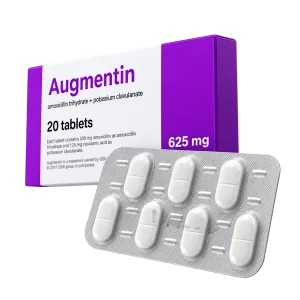
| Amoxicillin–clavulanate | Bacterial cell-wall synthesis with beta-lactamase inhibition | Beta-lactam allergy and gastrointestinal effects |
| Trimethoprim–sulfamethoxazole | Sequential interference with bacterial folate metabolism | Resistance, allergy, potassium changes and blood-count effects |
A clinician may choose amoxicillin–clavulanate when the likely pathogen and infection site fit a beta-lactam regimen. Trimethoprim–sulfamethoxazole may suit selected urinary or skin infections when susceptibility is established. Ciprofloxacin can be useful when its spectrum matches the organism, yet its adverse-effect profile limits casual substitution.
The European Medicines Agency has restricted fluoroquinolone use for some uncomplicated infections because disabling and potentially long-lasting reactions can occur [3]. This is why a different antibiotic may be preferred even when ciprofloxacin could inhibit the bacterium in laboratory testing.
What doctors say
In clinical practice, doctors usually judge ciprofloxacin by three questions: is the illness bacterial, is the organism likely to be susceptible, and does the benefit outweigh fluoroquinolone-specific risks? A broad spectrum does not make an antibiotic suitable for every infection.
Prescribers also review kidney function, age, previous tendon problems, neurological history and interacting medicines. The dose may need adjustment when renal clearance is reduced. Culture results can support a narrower antibiotic, which reduces unnecessary exposure to broad-spectrum treatment.
A physician would normally expect improvement in the infection’s symptoms during the planned course, although the timeline depends on the infection site and severity. No improvement does not justify taking extra tablets. It may indicate resistance, an abscess requiring drainage, a viral condition, an incorrect diagnosis or a complication needing examination.
What customers often ask
How does Ciplox differ from antibiotics with another mechanism?
Ciplox contains ciprofloxacin, which blocks bacterial DNA gyrase and topoisomerase IV. Beta-lactam antibiotics interfere with cell-wall construction, while macrolides inhibit bacterial protein production. The EMA fluoroquinolone safety communication from 2019 describes why ciprofloxacin is reserved for suitable clinical situations rather than used routinely for every infection [4]. The best option depends on the organism, infection site, allergy history and patient risk factors.
What should happen if the expected result does not come?
Do not increase the dose or restart leftover tablets when the infection does not improve. Contact the prescriber promptly if symptoms persist, worsen or return, especially with fever, severe pain, dehydration or breathing difficulty. The 2023 WHO antimicrobial stewardship guidance supports reassessing the diagnosis and antibiotic choice when treatment response is poor. A culture, imaging test, drainage procedure or different antimicrobial may be required.
What happens after stopping Ciplox, and does it need tapering?
Ciprofloxacin is not usually tapered because it is an antibiotic rather than a corticosteroid or antidepressant. The prescribed course should be completed unless a clinician tells the patient to stop because of an adverse reaction or a change in diagnosis. The 2024 FDA label describes serious reactions that may require immediate discontinuation, including tendon symptoms, neuropathy and severe allergy [5]. Some adverse effects can begin during treatment or after the last dose, so new tendon pain, numbness, weakness or severe diarrhoea still needs medical attention.
Do you offer anonymous delivery?
Your order will be securely packed and shipped within 24 hours. This is exactly what your package will look like (images of an actual item sent). It has the size and look of a regular private letter (24x11x0.7 cm) and its contents cannot be seen.
Comparison
Risks of Prolonged Steroid Combination Therapy
The Ciplox tablet described here does not contain a corticosteroid. Steroid-containing eye or ear combinations are separate topical formulations and should not be substituted for Ciplox tablets.
Long-term self-medication with steroid-containing drops can raise intraocular pressure, increase glaucoma risk, delay healing and mask a worsening infection. A corticosteroid can reduce redness while allowing certain bacteria, fungi or viruses to continue causing tissue damage. Eye pain, blurred vision or light sensitivity during topical treatment needs prompt examination.
This distinction matters because systemic ciprofloxacin and steroid-containing drops have different routes, ingredients and safety concerns. A tablet cannot replace an ophthalmic or otic treatment plan, and a topical combination cannot replace systemic therapy for an internal infection.
Sources
- U.S. Food and Drug Administration (2024). CIPROFLOXACIN — ciprofloxacin hydrochloride tablet, film coated: Prescribing Information.
- World Health Organization (2023). The WHO AWaRe Antibiotic Book.
- European Medicines Agency (2019). Quinolone- and fluoroquinolone-containing medicinal products: referral procedure.
- European Medicines Agency (2019). Disabling and potentially permanent side effects lead to suspension or restrictions of quinolone and fluoroquinolone antibiotics.
- Therapeutic Goods Administration (2023). Fluoroquinolone antibiotics: safety information on disabling and potentially permanent adverse effects.
How Buyers Rate Ciplox
Based on 3 reviews
used the prescribed course for a gastrointestinal infection. Diarrhoea settled after treatment, although he reported dizziness during the first two doses and avoided driving. He felt the treatment helped, but disliked the number of interaction rules.
5 Oct 2026stopped early when his fever fell and symptoms returned two days later. A follow-up assessment led to a different treatment plan after further testing. He said the experience taught him not to judge completion of therapy only by symptom relief.
19 Oct 2026