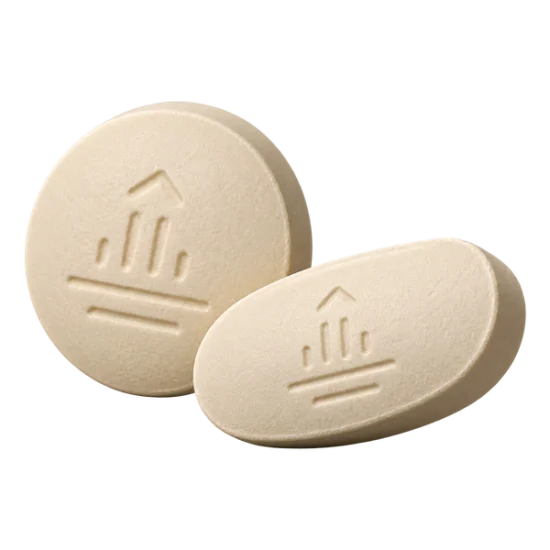
, 25 mg once daily, several months, I used empagliflozin alongside my diabetes treatment. My morning readings became steadier, but I needed to get used to drinking regularly and taking the tablet earlier.
Several months 15 Oct 2026
Empagliflozin
Empagliflozin is taken as an oral tablet, usually once daily, with or without food. It is prescribed for adults with type 2 diabetes and may also support heart failure and chronic kidney disease care…
Empagliflozin is taken as an oral tablet, usually once daily, with or without food. It is prescribed for adults with type 2 diabetes and may also support heart failure and chronic kidney disease care by helping the kidneys remove excess glucose and sodium.
Product information
Empagliflozin is an oral medicine whose active ingredient is empagliflozin. It belongs to the sodium–glucose co-transporter 2 (SGLT2) inhibitor class and is used in adults with type 2 diabetes, heart failure, or chronic kidney disease.
Ingredients
Empagliflozin contains the active ingredient empagliflozin and belongs to the sodium–glucose co-transporter 2 (SGLT2) inhibitor class. It is supplied as an oral tablet for adults with type 2 diabetes, heart failure, or chronic kidney disease. The tablet helps the kidneys remove glucose and sodium and is taken with water, with or without food, at a frequency agreed with a doctor or pharmacist.
Therapeutic indications
Empagliflozin is used in adults with type 2 diabetes as part of a broader glucose-management plan. It may be prescribed alone when appropriate or alongside other glucose-lowering treatments.
Empagliflozin also has established roles in selected adults with heart failure or chronic kidney disease. These uses are not based only on lowering blood glucose. SGLT2 inhibition can reduce sodium and fluid reabsorption, alter intraglomerular pressure, and reduce some of the haemodynamic stress placed on the cardiovascular and renal systems.
Directions for use
Empagliflozin is supplied as oral tablets. The tablet should be swallowed with water and taken at the prescribed frequency. It may be taken with food or on an empty stomach, so meals do not need to be used as the timing anchor.
The dose is selected according to the purpose of treatment and is agreed with a doctor or pharmacist. Patients with type 2 diabetes may receive a different regimen from patients treated for heart failure or chronic kidney disease.
Prescribers consider:
- kidney function and changes in estimated glomerular filtration rate;
- blood pressure and the risk of dehydration;
- use of diuretics or other medicines that lower blood glucose;
- previous genital infections or urinary symptoms;
- planned surgery, prolonged fasting, or acute illness;
- the treatment indication and the response to the starting regimen.
The tablet should not be split, crushed, or altered unless the product instructions and prescriber specifically allow it. Altering an oral tablet can make administration less predictable when the tablet design has been developed for a particular release or swallowing profile.
Role of higher tablet strengths in treatment selection
A higher strength may be considered when the prescriber wants additional glucose-lowering support and the patient has tolerated the initial regimen. It is not automatically the best choice for heart failure or kidney disease, because those conditions may require a treatment decision based on organ protection rather than further glucose reduction.
Empagliflozin is not titrated simply by looking at a single home glucose reading. Kidney function, blood pressure, fluid intake, symptoms, and the full list of medicines are part of the decision.
Empagliflozin is taken orally according to the regimen agreed with a doctor or pharmacist. The amount and frequency depend on the purpose of use, kidney function, and the rest of the treatment plan.
- Take the tablet at the same time each day when possible.
- Swallow it with water.
- Take it with or without food.
- Keep normal fluid intake unless a clinician has given a fluid restriction for heart or kidney disease.
- Tell the treating team about vomiting, diarrhoea, fever, prolonged fasting, or an inability to drink.
- Follow specific temporary-stop instructions before major surgery or during severe acute illness.
- If a dose is missed, take it when remembered unless the next dose is close. Skip the missed dose rather than taking two doses together.
A morning schedule often works well because empagliflozin can increase urine volume. Patients using loop or thiazide diuretics may need closer monitoring for dizziness, low blood pressure, or dehydration.
When not to use it
The following situations require a specific clinical decision:
- type 1 diabetes, because of the risk of diabetic ketoacidosis;
- dialysis or kidney failure at a stage where the medicine is unsuitable for the intended indication;
- severe dehydration, persistent vomiting, or an inability to maintain fluid intake;
- active ketoacidosis;
- planned major surgery or prolonged fasting;
- pregnancy or breastfeeding, where treatment choice requires specialist assessment;
- recurrent severe genital infections or a history of serious urinary complications.
Important interactions include:
- Insulin and insulin secretagogues: the combined regimen can increase hypoglycaemia risk.
- Diuretics: combined fluid loss can increase dizziness, dehydration, or low blood pressure.
- Antihypertensives: blood pressure may fall further when empagliflozin is added.
- Lithium: changes in fluid handling may affect lithium concentrations and require monitoring.
- Medicines or conditions that promote dehydration: vomiting, diarrhoea, fever, and restricted fluid intake can intensify the risk.
The Therapeutic Goods Administration highlights the need for precautions around ketoacidosis, renal function, volume depletion, and temporary interruption during acute illness. [3]
When this is not for you
This treatment may not be right for you if you have had a serious allergic reaction to empagliflozin or one of the tablet’s inactive ingredients. Tell your clinician if you have type 1 diabetes, dialysis or severe kidney problems, serious dehydration, ongoing vomiting, ketoacidosis, recurrent severe genital infections, or serious urinary complications. You should also discuss pregnancy, breastfeeding, planned major surgery, or prolonged fasting before starting or continuing treatment.
Unwanted effects
Common effects relate to glucose and sodium leaving the body through urine. The European Medicines Agency and the U.S. Food and Drug Administration describe genital fungal infections, increased urination, and volume depletion among recognised adverse effects of empagliflozin-containing treatment. [2]
| Reaction pattern | Typical clinical concern | Action |
|---|---|---|
| Genital itching, redness, soreness, or discharge | Fungal genital infection | Arrange prompt assessment and treatment |
| Dizziness, weakness, thirst, or low blood pressure | Volume depletion | Review fluids, blood-pressure medicines, and diuretics |
| Burning urination, urgency, fever, or flank pain | Urinary infection | Seek medical assessment, especially with fever or back pain |
| Nausea, abdominal pain, rapid breathing, confusion, or unusual tiredness | Possible ketoacidosis, even when glucose is not very high | Stop activity and obtain urgent medical care |
Euglycaemic diabetic ketoacidosis is uncommon but serious. It can occur with normal or only moderately elevated blood glucose, so a reassuring glucose reading does not exclude it. Risk increases during prolonged fasting, severe infection, major surgery, dehydration, very low carbohydrate intake, or a substantial reduction in insulin.
Rare Fournier’s gangrene has been reported with SGLT2 inhibitors. Severe pain, swelling, redness, or tenderness around the genitals or perineum with fever requires urgent medical attention.
Hypoglycaemia is more likely when empagliflozin is combined with insulin or an insulin secretagogue. A clinician may adjust the other glucose-lowering treatment rather than simply increasing or reducing empagliflozin.
Mechanism of action
Empagliflozin belongs to the sodium–glucose co-transporter 2, or SGLT2, inhibitor class. It acts in the proximal tubules of the kidneys, where SGLT2 normally returns filtered glucose from the urine back into the bloodstream. Blocking this transporter increases glucose excretion through urine and reduces the amount of glucose circulating in the blood. [1]
The same renal action promotes modest sodium loss and affects fluid balance. This can reduce pressure within the kidney’s filtering units and lower the workload on the heart. The result is a treatment that may influence glucose control, heart-failure outcomes, and kidney disease progression through related but distinct physiological pathways.
Common mistakes
Several avoidable errors make empagliflozin harder to tolerate:
- taking a missed dose together with the next scheduled dose;
- restricting water to avoid urination;
- continuing the medicine through prolonged fasting, severe vomiting, or major acute illness without following the agreed sick-day plan;
- ignoring genital itching because it seems minor;
- assuming normal blood glucose excludes ketoacidosis;
- failing to mention over-the-counter diuretics, herbal products, or a new blood-pressure medicine;
- changing insulin or another glucose-lowering treatment without an agreed plan;
- taking the tablet late at night when morning dosing would be easier to manage;
- forgetting to tell a surgeon or anaesthetist about SGLT2 inhibitor treatment.
A urine infection can present with burning, urgency, fever, or pain in the side. Genital fungal infection more often causes local itching, redness, soreness, or discharge. The symptoms overlap sometimes, so self-treatment with leftover medicine can delay the correct care.
Comparison
Empagliflozin is one option within a wider treatment plan. The table compares treatment categories rather than commercial brands.
| Treatment approach | Main action | Practical limitation |
|---|---|---|
| SGLT2 inhibition | Increases urinary glucose and sodium excretion | Can cause genital infections, dehydration, and temporary illness-related ketoacidosis |
| Insulin-based treatment | Replaces or supplements insulin activity | Hypoglycaemia and weight gain can occur, depending on the regimen |
| Insulin-sensitising treatment | Improves the body’s response to insulin | Suitability depends on kidney, liver, heart, and gastrointestinal factors |
Empagliflozin has a distinct renal mechanism. It does not stimulate the pancreas to release insulin, so it has a lower intrinsic risk of hypoglycaemia when used alone. The risk rises when it is combined with insulin or medicines that increase insulin release.
Its urinary mechanism also creates trade-offs. Genital fungal infections, increased urination, and fluid depletion can be more troublesome than with treatments that act through other pathways.
What doctors say
Doctors often judge empagliflozin by more than the glucose reading. A patient may gain cardiovascular or kidney benefit even when the reduction in glycated haemoglobin appears modest.
A prescriber will usually ask about urination, thirst, dizziness, genital symptoms, blood pressure, kidney results, and any recent infection. These questions are practical markers of how the treatment is being tolerated.
The first few weeks deserve attention. A mild increase in urination may settle as the body adapts, while persistent light-headedness can suggest that fluid balance or other blood-pressure medicines need review.
Treatment response is also influenced by adherence. Missing occasional doses may not cause an obvious immediate change, but repeated interruptions reduce the continuity of the renal and metabolic effect.
What customers often ask
What should I do after missing an Empagliflozin dose?
Take the missed tablet when remembered unless the next scheduled dose is near. Do not double the amount to compensate. Guidance from the TGA and Australian prescribing information available in 2024 supports avoiding extra doses after a missed administration. If vomiting, diarrhoea, prolonged fasting, or dehydration caused the missed dose, the sick-day plan is more relevant than simply taking it later. A pharmacist can help apply the sick-day plan to the missed dose.
Can Empagliflozin affect driving, concentration, or work with machinery?
Empagliflozin alone does not usually impair alertness or coordination. Concentration can be affected indirectly by hypoglycaemia when the medicine is combined with insulin or an insulin secretagogue, or by dizziness from fluid depletion. The EMA’s empagliflozin safety information, reviewed in 2024, supports checking for these symptoms before driving or operating machinery. Do not drive if you feel faint, confused, unusually weak, or affected by low blood glucose.
What happens after stopping Empagliflozin, and does it need tapering?
Empagliflozin is generally stopped without a gradual taper when a clinician decides that interruption is needed. Urinary glucose and sodium excretion return toward the untreated pattern after the medicine is cleared, so glucose, fluid symptoms, or heart-failure symptoms may change. WHO diabetes resources published in 2023 describe glucose-lowering medicines as parts of continuing treatment plans rather than medicines that require a withdrawal taper. A temporary pause during surgery or acute illness is different from permanent discontinuation and requires a restart plan.
What is the best time of day to take Empagliflozin?
Morning administration is often practical because the medicine can increase urination. It may be taken with or without food, so breakfast is not required for absorption. Therapeutic Goods Administration prescribing guidance from 2024 supports once-daily administration at a consistent time selected around the patient’s routine. A person with fluid restrictions or a complex diuretic schedule may need a more individualised timing plan.
How soon does the effect of Empagliflozin become noticeable?
The increase in urinary glucose excretion begins after treatment is absorbed, but patients may not feel a clear change immediately. Blood glucose patterns can begin changing within days, while glycated haemoglobin reflects the average response over several weeks. The American Diabetes Association’s 2025 standards describe treatment assessment through ongoing glucose measurements and follow-up rather than symptoms alone. Heart-failure or kidney benefits are evaluated through clinical follow-up, laboratory results, and changes in symptoms over time.
Do you offer anonymous delivery?
Your order will be securely packed and shipped within 24 hours. This is exactly what your package will look like (images of an actual item sent). It has the size and look of a regular private letter (24x11x0.7 cm) and its contents cannot be seen.
Comparison
Sources
- TGA (2024). Product information for empagliflozin.
- European Medicines Agency (2024). Summary of Product Characteristics (SmPC) — empagliflozin.
- World Health Organization (2023). WHO consolidated guidelines on diabetes management.
How Buyers Rate Empagliflozin
Based on 5 reviews
, 25 mg once daily, a fortnight, the first fortnight brought more toilet visits and one episode of dizziness after gardening in hot weather. My regimen was reviewed, and the problem became less frequent.
A fortnight 24 Oct 2026, 25 mg once daily, several months, I had type 2 diabetes at a young age and noticed no dramatic sensation from the tablet. The benefit showed up in later blood tests, while remembering the morning dose was the main challenge.
Several months 29 Oct 2026, 25 mg once daily, a few weeks, I developed genital itching after a few weeks and treated it promptly. Empagliflozin was useful for my glucose plan, but the side effect meant I paid closer attention to hydration and symptoms.
A few weeks 4 Nov 2026, 25 mg once daily, several months, I stopped taking it during a stomach illness after following my sick-day instructions. Restarting was discussed once I was eating and drinking normally, which felt more sensible than forcing the dose through dehydration.
Several months 11 Nov 2026