My morning readings improved gradually rather than immediately. I urinated more during the first week and needed to drink regularly, but the main irritation was getting up once at night.
Several months 5 Oct 2026
Forxiga
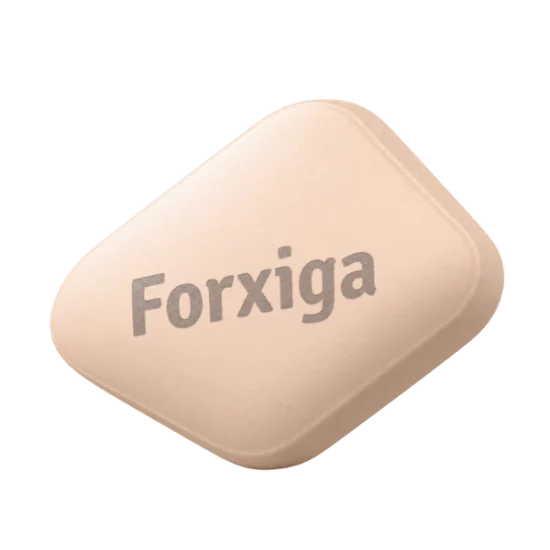
Forxiga tablets are taken orally, with or without food, for adults with type 2 diabetes, heart failure, or chronic kidney disease. Its active ingredient, dapagliflozin, helps the kidneys remove…
Forxiga tablets are taken orally, with or without food, for adults with type 2 diabetes, heart failure, or chronic kidney disease. Its active ingredient, dapagliflozin, helps the kidneys remove glucose and sodium, supporting blood glucose control and cardiorenal protection.
Product information
Forxiga contains dapagliflozin, an SGLT2 inhibitor used across diabetes, cardiology, and nephrology.
Ingredients
Forxiga contains dapagliflozin, an SGLT2 inhibitor. It is supplied as an oral tablet for adults with type 2 diabetes, selected forms of heart failure, or chronic kidney disease. Dapagliflozin helps the kidneys remove glucose and sodium, supporting blood glucose control and cardiorenal protection.
Therapeutic indications
AstraZeneca developed Forxiga as a branded dapagliflozin treatment. Its approved clinical uses include type 2 diabetes, selected forms of heart failure, and chronic kidney disease in adults. The medicine lowers glucose exposure while also influencing fluid balance and pressure within the kidney’s filtering units.
Forxiga may help adults with type 2 diabetes improve glycaemic control alongside diet, physical activity, and other prescribed treatments. In heart failure, dapagliflozin can reduce the risk of worsening heart failure and hospitalisation, including in some people without diabetes. In chronic kidney disease, its cardiorenal effects may slow disease progression in appropriate patients. The EMA describes these indications in the European product information for dapagliflozin [1]. Treatment selection also depends on kidney function, cardiovascular status, and the patient’s treatment goals.
Therapeutic indications in Australian clinical practice
Australian clinicians use dapagliflozin according to the patient’s diagnosis, kidney function, cardiovascular status, current medicines, and risk of dehydration. The TGA-approved product information provides the framework for prescribing, while individual treatment decisions depend on clinical assessment.
Forxiga is not simply a glucose-lowering tablet. Its benefits can involve the heart and kidneys, which explains why cardiologists, endocrinologists, nephrologists, and general practitioners may prescribe it for different clinical reasons.
A useful practical detail is that glucose in the urine can increase after treatment begins. This is an intended pharmacological effect, but it also creates conditions that may encourage genital fungal infections in susceptible people.
Directions for use
Forxiga is taken as an oral tablet. The regimen for the chosen strength should be confirmed with a healthcare professional before starting, especially when treatment is being used for heart failure or chronic kidney disease.
- Take the tablet once daily at the prescribed dose.
- Swallow it with water.
- It may be taken with food or on an empty stomach.
- Take it at approximately the same time each day.
- Maintain normal fluid intake unless a clinician has prescribed fluid restriction.
- Kidney function should be assessed before treatment and monitored when clinically appropriate.
- Do not change the dose because a blood glucose reading is temporarily higher or lower than expected.
- Do not stop treatment without a planned medical review, except where urgent illness advice requires temporary withholding.
The exact regimen depends on the indication and the patient’s kidney function. A person taking Forxiga for type 2 diabetes may have a different monitoring plan from a person taking it for heart failure or chronic kidney disease.
Storage should protect the tablets from excess heat and moisture. Keep them away from children and pets.
Missed dose protocol
If a dose is remembered later on the same day, it can generally be taken unless the next scheduled dose is close. If the next dose is near, skip the missed dose and return to the normal schedule. Never double the next dose.
When not to use it
- Allergy to dapagliflozin or any tablet ingredient.
- Type 1 diabetes, unless a specialist-led indication and protocol specifically applies.
- Current or previous diabetic ketoacidosis.
- Severe dehydration, repeated vomiting, or inability to maintain fluid intake.
- Acute serious illness or a planned major operation.
- Severe kidney impairment where the intended indication or expected benefit is unsuitable.
- Recurrent severe genital or urinary infections.
- Low blood pressure or treatment with medicines that already cause substantial fluid loss.
- Pregnancy or breastfeeding.
- A history of pancreatitis or conditions that increase ketoacidosis risk, requiring individual assessment.
Forxiga can interact clinically with insulin and sulfonylureas because the combined regimen may increase hypoglycaemia risk. Diuretics can add to fluid loss and dizziness. Lithium requires special attention because changes in kidney handling and fluid balance can affect lithium concentrations.
When this is not for you
Forxiga may not be for you if you have type 1 diabetes, current ketoacidosis, severe dehydration, or a contraindication identified by your clinician.
People following a very low-carbohydrate diet, fasting for religious or medical reasons, or drinking heavily should discuss the pattern before treatment begins. These situations can increase ketone production.
Genital symptoms should not be ignored. A painful genital area, fever, rapidly spreading redness, or feeling acutely unwell warrants urgent assessment because rare severe infections have been reported with SGLT2 inhibitors.
Unwanted effects
Forxiga is often tolerated without major problems, but its mechanism produces predictable effects that patients should recognise. Genital fungal infections, urinary tract infections, increased urination, thirst, dizziness, and volume depletion are established risks of dapagliflozin treatment.
Common or clinically relevant effects include:
- Genital thrush or other genital fungal infection.
- Urinary tract infection symptoms.
- Increased urine volume or urinary frequency.
- Thirst and dry mouth.
- Dizziness from reduced blood pressure or fluid loss.
- Constipation or gastrointestinal discomfort in some patients.
- Changes in kidney function tests after treatment begins.
Genital itching, soreness, redness, or unusual discharge should be assessed promptly. Recurrent infections may require a review of treatment, hygiene, blood glucose control, and other risk factors.
Serious reactions are uncommon but require urgent action:
- Diabetic ketoacidosis, which can occur even when blood glucose is not extremely high.
- Severe dehydration or fainting.
- Serious urinary or genital infection with fever, weakness, pain, or rapidly worsening symptoms.
- Severe allergic reaction with swelling, breathing difficulty, or widespread rash.
Diabetic ketoacidosis may cause nausea, vomiting, abdominal pain, unusual tiredness, deep or rapid breathing, confusion, or a sweet-smelling breath. The FDA safety communication on SGLT2 inhibitors highlights that ketoacidosis symptoms can occur with less dramatic glucose elevation than many people expect [2].
A practical monitoring point is that urine glucose testing is not useful for judging whether dapagliflozin is working. The medicine is designed to increase urinary glucose. Blood glucose, HbA1c, symptoms, kidney function, and the treatment goal provide more useful information.
Mechanism of action
Dapagliflozin selectively inhibits sodium-glucose cotransporter 2, or SGLT2, in the proximal renal tubules. These kidney structures normally reclaim filtered glucose and sodium before urine leaves the body. Forxiga reduces this reabsorption, so more glucose passes into the urine.
The process is called glucosuria. It means glucose is excreted through urine rather than being returned to the bloodstream. Dapagliflozin also promotes natriuresis, which means increased sodium excretion. Water follows sodium, producing a modest reduction in circulating fluid volume.
The effect differs from metformin. Metformin mainly reduces hepatic glucose production, while dapagliflozin works through the kidney. It also differs from sulfonylureas such as gliclazide, which stimulate pancreatic insulin release and can cause hypoglycaemia when meals are missed.
Renal and cardiovascular haemodynamics
The sodium loss caused by SGLT2 inhibition changes the signals reaching the kidney’s macula densa. This can help restore tubuloglomerular feedback and reduce pressure within the glomerulus, the microscopic filtering unit of the kidney.
Reduced intraglomerular pressure may help explain dapagliflozin’s kidney-protective effects. Mild fluid reduction can also decrease cardiac filling pressures, which is relevant to heart failure. The Australian TGA and international clinical guidance recognise that these effects extend beyond blood glucose reduction.
The first weeks can bring a small change in estimated glomerular filtration rate. This early shift is not automatically kidney injury; clinicians interpret it alongside blood pressure, hydration, creatinine, urine findings, and the patient’s symptoms.
Common mistakes
Several avoidable patterns can reduce tolerability or delay recognition of a serious problem:
- Taking an extra tablet after a missed dose.
- Continuing Forxiga through repeated vomiting or severe diarrhoea without seeking treatment advice.
- Assuming normal blood glucose excludes ketoacidosis.
- Ignoring genital itching or urinary burning.
- Restricting fluids excessively to avoid urination.
- Starting a strict ketogenic diet without discussing ketone risk.
- Forgetting to mention Forxiga before surgery or prolonged fasting.
- Combining it with insulin or gliclazide without understanding the hypoglycaemia plan.
- Treating a temporary change in kidney blood tests as proof that the medicine must be stopped.
- Stopping treatment abruptly after reading one isolated glucose result.
One detail patients often miss is that increased urination is expected, but severe thirst, faintness, confusion, or very low urine output is not. Another is that ketoacidosis can develop during illness even when the glucose reading appears less alarming than expected.
Comparison
Forxiga belongs to the SGLT2 inhibitor class. Other treatments act through different pathways, so the best option depends on the treatment goal rather than glucose lowering alone.
| Treatment category | Main pharmacological action | Clinical distinction |
|---|---|---|
| Forxiga and other SGLT2 inhibitors | Increase urinary glucose and sodium excretion | Cardiorenal benefits; genital infection and dehydration risks |
| Metformin | Reduces hepatic glucose production and improves insulin sensitivity | Long-established glucose-lowering option; gastrointestinal effects are common |
| DPP-4 inhibitors such as sitagliptin | Enhance glucose-dependent incretin activity | Modest glucose lowering with low hypoglycaemia risk when used alone |
| Sulfonylureas such as gliclazide | Stimulate pancreatic insulin release | Can lower glucose effectively but carry greater hypoglycaemia risk |
Jardiance and Invokana are other SGLT2 inhibitor treatments. They share class features with Forxiga, including increased urinary glucose, fluid effects, and the possibility of genital infections. Their licensed indications, dosing, kidney-function thresholds, and evidence base are not identical.
Metformin, also marketed in some formulations as Glucophage SR, does not produce the same urinary glucose loss. Xigduo combines dapagliflozin with metformin, allowing complementary mechanisms in one treatment plan. Januvia works through DPP-4 inhibition and does not provide the same degree of natriuretic or heart-failure evidence as an SGLT2 inhibitor.
SGLT2 inhibitors and traditional secretagogues
Forxiga does not directly force the pancreas to release insulin. That helps explain its relatively low hypoglycaemia risk when used without insulin or an insulin secretagogue. Gliclazide increases insulin release, so missed meals, alcohol, kidney impairment, or excessive dosing can increase the chance of low blood glucose.
The trade-off is different for each class. Forxiga may support heart and kidney outcomes, while its glucose-in-urine mechanism can cause genital infections, thirst, or volume depletion. Gliclazide may be useful when a stronger insulin-releasing effect is needed, but hypoglycaemia deserves closer attention.
What doctors say
In clinical practice, doctors often assess Forxiga through three linked questions: what is the main treatment goal, how well can the patient maintain hydration, and what is the current kidney function?
For type 2 diabetes, the expected benefit is not limited to a single glucose reading. HbA1c trends, weight, blood pressure, kidney markers, cardiovascular history, and tolerability all contribute to the decision.
For heart failure, clinicians usually focus on symptoms, fluid status, blood pressure, kidney function, hospital admissions, and the use of other heart medicines. Some people notice increased urination early, while the wider cardiovascular benefit is assessed over time rather than after one tablet.
For chronic kidney disease, the initial kidney-function change can cause concern. Doctors interpret it in context and repeat testing when needed. A sudden large decline, marked dizziness, reduced urine output, or acute illness requires prompt review.
A prescriber would also ask about fasting, ketogenic diets, alcohol intake, recurrent thrush, diuretics, insulin, and previous ketoacidosis. These details can change the risk profile more than a routine medication list alone.
What customers often ask
Can Forxiga be combined with insulin, gliclazide, or supplements?
Forxiga can be prescribed with insulin, gliclazide, metformin, and other glucose-lowering treatments, but the combination may change the risk of hypoglycaemia or dehydration. Insulin and gliclazide are the main concerns because they can lower glucose independently of dapagliflozin. Supplements that affect blood sugar or fluid balance should also be disclosed. The TGA product information reviewed in 2025 supports individual dose adjustment and monitoring when dapagliflozin is combined with other therapies [4].
What is the best time of day to take Forxiga?
Forxiga is usually taken once daily at a consistent time. Morning use can be convenient because increased urination may be less disruptive during daytime hours. The best timing may differ when a person uses diuretics, has fluid restrictions, works night shifts, or experiences dizziness. The TGA and Australian clinical practice in 2026 continue to favour an individual schedule that supports adherence and hydration.
Can Forxiga be taken with food or on an empty stomach?
Forxiga tablets may be taken with food or without food. Food is not required to activate dapagliflozin, so the patient can choose a time that fits the prescribed routine. Swallow the tablet with water and avoid changing the timing repeatedly. The EMA product information available in 2025 describes administration without dependence on meal timing [5].
Is Forxiga suitable during pregnancy or breastfeeding?
Forxiga is generally avoided during pregnancy because SGLT2 inhibition may affect developing fetal kidneys, with concern extending through the second and third trimesters. It is also generally avoided during breastfeeding because the effect on an infant’s kidneys has not been established adequately. Treatment planning should involve the diabetes or obstetric team before conception where possible. WHO guidance in 2025 continues to support individualised glucose management during pregnancy rather than routine dapagliflozin use.
Does Forxiga cause genital thrush?
Forxiga can increase the likelihood of genital fungal infections because more glucose is present in the urine. Symptoms may include itching, soreness, redness, or unusual discharge. Early treatment is usually easier than waiting until symptoms become severe, while repeated infections may prompt a review of the treatment plan. Clinical safety monitoring discussed by the TGA in 2025 identifies genital infections as a recognised class effect of SGLT2 inhibitors.
Do you offer anonymous delivery?
Your order will be securely packed and shipped within 24 hours. This is exactly what your package will look like (images of an actual item sent). It has the size and look of a regular private letter (24x11x0.7 cm) and its contents cannot be seen.
Comparison
Use During Pregnancy and Breastfeeding
Dapagliflozin is generally avoided during pregnancy, especially during the second and third trimesters, because SGLT2 inhibition may affect fetal kidney development. Pregnancy changes the preferred approach to glucose management and requires a planned review of treatment.
Forxiga should not be started, continued, or stopped during pregnancy without direction from the treating medical team. The same applies when pregnancy is being planned. A person with diabetes may need a different glucose-lowering strategy before conception.
Breastfeeding also requires caution. Dapagliflozin’s effects on the developing infant kidney and the lack of adequate safety information make it unsuitable for routine use during lactation. The EMA product information advises against use while breastfeeding [3].
Combination Formulations and Related Medications
Xigduo combines dapagliflozin with metformin. The rationale is pharmacological: dapagliflozin increases renal glucose excretion, while metformin reduces glucose production by the liver and improves insulin sensitivity.
A combination tablet can reduce the number of separate tablets for some patients. It can also make it harder to identify which component caused a side effect. Diarrhoea or abdominal discomfort may relate to metformin, while genital infection, increased urination, or dehydration may relate to dapagliflozin.
Forxiga may also be used alongside insulin, gliclazide, or other glucose-lowering treatments. Adding medicines does not remove the need to monitor for hypoglycaemia, ketones, dehydration, and kidney function. The prescriber determines whether the combination fits the individual treatment plan.
Sources
- European Medicines Agency (2025). Forxiga: Summary of Product Characteristics and European Public Assessment Report.
- U.S. Food and Drug Administration (2015). FDA Drug Safety Communication: FDA revises labels of SGLT2 inhibitors to include warnings about too much acid in the blood and serious urinary tract infections.
- European Medicines Agency (2025). Forxiga: Product Information.
- Therapeutic Goods Administration (2025). Forxiga dapagliflozin: Australian Product Information.
- European Medicines Agency (2025). Forxiga: Summary of Product Characteristics.
How Buyers Rate Forxiga
Based on 4 reviews
I liked taking one tablet at the same time each day. I developed mild thrush after a few weeks, which cleared with treatment, so I became more alert to early symptoms.
A few weeks 15 Oct 2026The tablet fitted easily into my routine, but I felt light-headed during a hot spell when I was also taking a diuretic. My treatment plan was reviewed, and the problem did not recur.
21 Oct 2026My glucose results became more consistent over the following months. I stopped it during a stomach illness after receiving specific sick-day instructions, rather than trying to push through the vomiting.
The following months 31 Oct 2026