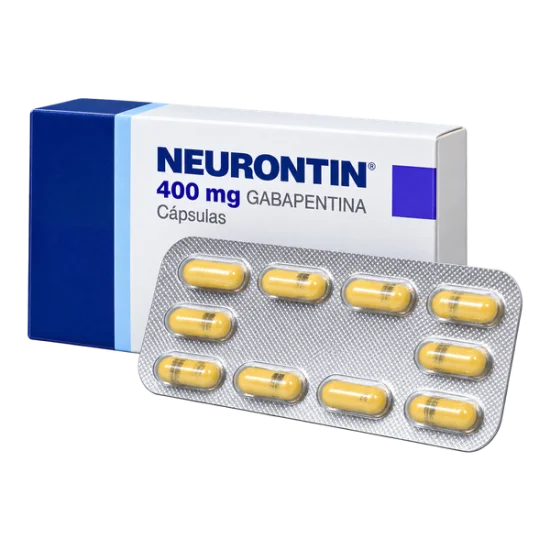
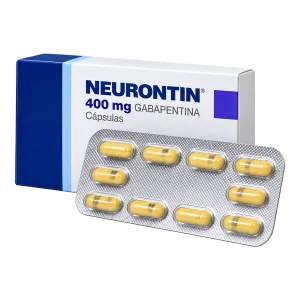
He used Neurontin for burning nerve pain after shingles. During the first week he felt dizzy after evening doses, so he avoided driving and noticed the problem eased after the dose was adjusted. After several weeks, light clothing touching his ribs was less painful, although the medicine did not remove every symptom.
Several weeks 16 Nov 2026
Neurontin
Neurontin is taken by mouth as a gabapentin capsule, with or without food, for nerve pain and as add-on treatment for partial seizures. It reduces excessive nerve signalling through the central…
Neurontin is taken by mouth as a gabapentin capsule, with or without food, for nerve pain and as add-on treatment for partial seizures. It reduces excessive nerve signalling through the central nervous system and can ease pain caused by damaged nerves.
Product information
Neurontin contains gabapentin, an anticonvulsant and neuropathic-pain medicine. Gabapentin is used for postherpetic neuralgia and as adjunctive treatment for partial-onset seizures in suitable patients.
Neurontin is a brand of gabapentin. It is taken orally, and how much to use and how often to take it depend on the purpose of treatment and are agreed with a doctor or pharmacist. The U.S. Food and Drug Administration describes gabapentin as an adjunctive treatment for partial seizures and as a treatment for postherpetic neuralgia in adults [1].
Gabapentin does not act like an opioid painkiller. It also does not work through the same pathway as antidepressants used for neuropathic pain.
Pharmacological action
Gabapentin attaches to the alpha-2-delta-1 subunit of voltage-gated calcium channels on nerve cells. These channels help regulate the release of chemical messengers between neurons. By reducing calcium movement through this pathway, gabapentin can reduce the release of excitatory neurotransmitters involved in abnormal seizure activity and neuropathic pain.
The term “alpha-2-delta-1 subunit” refers to a supporting part of a calcium channel. It is not a separate medicine or a hormone. The interaction changes how strongly certain nerves release signalling chemicals.
Gabapentin does not directly activate GABA receptors, despite its chemical name being related to GABA. Its clinical action depends mainly on calcium-channel modulation within the nervous system.
Ingredients
Neurontin contains gabapentin, an anticonvulsant and neuropathic-pain medicine. Gabapentin is used for postherpetic neuralgia and as adjunctive treatment for partial-onset seizures in suitable patients.
Neurontin is a brand of gabapentin. It is taken orally, and how much to use and how often to take it depend on the purpose of treatment and are agreed with a doctor or pharmacist. The U.S. Food and Drug Administration describes gabapentin as an adjunctive treatment for partial seizures and as a treatment for postherpetic neuralgia in adults [1].
Gabapentin does not act like an opioid painkiller. It also does not work through the same pathway as antidepressants used for neuropathic pain.
Pharmacological action
Gabapentin attaches to the alpha-2-delta-1 subunit of voltage-gated calcium channels on nerve cells. These channels help regulate the release of chemical messengers between neurons. By reducing calcium movement through this pathway, gabapentin can reduce the release of excitatory neurotransmitters involved in abnormal seizure activity and neuropathic pain.
The term “alpha-2-delta-1 subunit” refers to a supporting part of a calcium channel. It is not a separate medicine or a hormone. The interaction changes how strongly certain nerves release signalling chemicals.
Gabapentin does not directly activate GABA receptors, despite its chemical name being related to GABA. Its clinical action depends mainly on calcium-channel modulation within the nervous system.
Therapeutic indications
Neurontin is used in two main clinical settings:
- Postherpetic neuralgia: persistent nerve pain following shingles.
- Partial seizures: add-on treatment for seizures that begin in one area of the brain.
Postherpetic neuralgia may feel like burning, electric shocks, stabbing, pins and needles, or pain from light touch. The pain can remain after the skin rash has healed because the affected sensory nerves continue sending abnormal signals.
For partial seizures, gabapentin is generally used alongside another anticonvulsant rather than as the only treatment. A neurologist selects the treatment plan according to seizure type, other medicines, kidney function, and seizure control.
Postherpetic neuralgia
Gabapentin can reduce the intensity and frequency of nerve-pain signals. It may not remove every painful sensation, and improvement often develops gradually as the dose is adjusted.
Clinical evidence reviewed by Cochrane and considered alongside NICE guidance supports gabapentin for some adults with chronic neuropathic pain, although response varies and only a proportion of patients achieve substantial pain relief [2]. A useful treatment response may include fewer night-time awakenings, less pain from clothing touching the skin, or reduced need for rescue analgesia.
Partial-onset seizures
Gabapentin may help reduce partial seizures when prescribed as add-on therapy. Seizure treatment requires regular dosing because irregular use can reduce control.
The capsule is not intended to replace another anticonvulsant abruptly. Stopping or changing seizure treatment without a planned taper can increase seizure risk.
Directions for use
The amount of Neurontin and how often it is taken depends on the purpose of treatment and is agreed with a doctor or pharmacist. Kidney function is a major factor because gabapentin leaves the body mainly through the kidneys.
Practical administration points include:
- Swallow the capsule with water.
- Take doses at the same times each day.
- Neurontin may be taken with or without food.
- Do not double the next dose after a missed dose.
- If a dose is remembered near the next scheduled dose, skip the missed dose rather than taking two together.
- Do not stop regular treatment suddenly without a planned reduction.
- Do not open, crush, or chew the capsule unless a prescriber has given a specific alternative instruction.
The dose may be increased gradually. Slow adjustment can reduce dizziness, sleepiness, blurred vision, and balance problems during treatment initiation.
People with reduced kidney function may require a lower total daily amount or a different dosing interval. Older adults can be more sensitive to sedation and falls, especially when gabapentin is combined with other medicines that slow brain activity.
When not to use it
This medicine is not for you if you have had a serious allergic reaction to gabapentin or another ingredient in the capsule.
Extra caution is needed with:
- Previous breathing problems or chronic respiratory disease
- Frailty or a history of falls
- Severe kidney impairment
- Current opioid treatment
- Use of benzodiazepines or other sedatives
- Pregnancy or breastfeeding
- A history of depression, suicidal thoughts, or severe mood instability
Opioids such as morphine, oxycodone, codeine, and tramadol can increase gabapentin-related sedation and respiratory depression. Benzodiazepines can add further impairment because they also reduce central nervous system activity.
The U.S. FDA issued a safety communication about serious breathing problems with gabapentinoids, with higher risk in people using opioids or other respiratory depressants, older adults, and people with underlying respiratory disease [3].
Alcohol can intensify impaired coordination and sleepiness. Avoid combining alcohol with Neurontin when the treatment is being started, increased, or combined with another sedating medicine.
When this is not for you
This medicine may not be suitable for you if you have had a serious allergic reaction to gabapentin. Tell a doctor before treatment if you have kidney problems, breathing problems, a history of falls, depression or suicidal thoughts, or if you are pregnant or breastfeeding. Be especially careful if you take opioids, benzodiazepines, sleeping tablets, sedating antihistamines, or alcohol because the combination can make you very sleepy or affect your breathing.
Unwanted effects
The most frequent problems with gabapentin involve the central nervous system. Reported adverse effects include:
- Dizziness
- Drowsiness or somnolence
- Poor coordination
- Unsteady walking
- Fatigue
- Blurred or double vision
- Tremor
- Peripheral swelling
- Dry mouth
- Nausea
- Weight gain
Dizziness and drowsiness are often more noticeable after starting treatment or after a dose increase. They may lessen as the body adapts, although persistent symptoms can require a change in dose or treatment.
Weight gain can develop gradually. Tracking body weight once weekly is more useful than weighing several times a day, because day-to-day fluid changes can obscure a trend. Swelling in the ankles should be reported if it is persistent, painful, or accompanied by breathlessness.
Some patients describe a “heavy” or foggy feeling rather than simple sleepiness. This can affect concentration at work even when the person feels able to remain awake. Sedation may become stronger when gabapentin is taken with opioids, sleeping tablets, sedating antihistamines, or alcohol.
Rare but serious reactions include severe allergic reactions, facial or throat swelling, breathing difficulty, severe skin reactions, and marked changes in mood or behaviour. New suicidal thoughts, extreme agitation, unusual aggression, or severe confusion require urgent medical attention.
A practical detail is easy to miss: a person who feels only mildly sleepy may still have slower reaction time. The risk matters in occupations involving forklifts, cutting equipment, heights, road travel, or clinical procedures.

Mechanism of action
Gabapentin attaches to the alpha-2-delta-1 subunit of voltage-gated calcium channels on nerve cells. By reducing calcium movement through this pathway, gabapentin can reduce the release of excitatory neurotransmitters involved in abnormal seizure activity and neuropathic pain. Gabapentin does not directly activate GABA receptors, despite its chemical name being related to GABA. Its clinical action depends mainly on calcium-channel modulation within the nervous system.
Common mistakes
Several everyday mistakes can reduce benefit or increase risk:
- Stopping Neurontin as soon as pain improves.
- Taking two doses together after forgetting one.
- Driving during the first few days despite marked dizziness.
- Combining it with alcohol, opioids, or sedatives without checking the interaction.
- Assuming the capsule treats every type of pain.
- Changing the dose rapidly because relief is not immediate.
- Failing to mention kidney disease.
- Treating ankle swelling, severe rash, or breathing changes as minor side effects.
Gabapentin is not a rapid rescue painkiller for sudden injuries. Neuropathic pain may require time and dose adjustment before the response can be judged.
A patient may also mistake sedation for therapeutic calm. Feeling slowed or detached is not the same as improved nerve pain or better seizure control.
Comparison
| Treatment category | Main clinical role | Key difference |
|---|---|---|
| Immediate-release gabapentin | Neuropathic pain and add-on treatment for partial seizures | Usually requires divided doses and gradual adjustment |
| Extended-release gabapentin | Selected pain or neurological indications | Modified release can change timing and dosing frequency |
| Pregabalin | Neuropathic pain and selected seizure indications | Similar calcium-channel target, with different absorption and dose conversion |
| Duloxetine or amitriptyline | Selected neuropathic pain conditions | Act through serotonin and noradrenaline pathways or tricyclic mechanisms |
Gabapentin and pregabalin both bind to the alpha-2-delta subunit of voltage-gated calcium channels, but they are not interchangeable milligram for milligram. A prescriber must select a conversion plan if changing between them.
Duloxetine may be considered when neuropathic pain occurs with depression or anxiety, while amitriptyline can be useful for some pain patterns but may cause anticholinergic effects, sedation, and blood-pressure changes. The choice depends on the condition, other medicines, age, sleep, mood, cardiovascular health, and kidney or liver function.
Modified-release gabapentin formulations use different release systems from immediate-release capsules. They should not be substituted casually because the timing of absorption and dosing instructions can differ.
What doctors say
In clinical practice, doctors usually set expectations around partial improvement rather than complete removal of pain. Burning, electric, or touch-sensitive pain may respond better than pain caused by inflammation, joint damage, or muscle strain.
A neurologist also looks for fewer seizures, shorter episodes, and better recovery after an event, not only a lower number recorded in a diary. Missing doses can make it harder to judge whether the treatment is helping.
Prescribers commonly increase gabapentin step by step because tolerability affects whether a patient can continue. A dose that produces clear dizziness may be less useful than a lower dose that allows normal walking, work, and sleep.
The TGA recognises gabapentinoid medicines as requiring careful attention to misuse, dependence, withdrawal, and respiratory-depression risk, especially when combined with other central nervous system depressants [4]. That does not mean every patient will develop these problems. It means the treatment plan should account for the person’s other medicines and medical history.
One practical prescribing detail is renal function. Two people taking the same capsule strength can need different schedules because gabapentin clearance changes when kidney function declines.
What customers often ask
Which condition means Neurontin should not be used?
A previous serious allergic reaction to gabapentin is a clear reason to avoid Neurontin. Kidney disease does not automatically exclude treatment, but the dose and interval need medical adjustment. The FDA's 2024 Neurontin prescribing information also highlights respiratory-depression risk when gabapentin is combined with opioids or other central nervous system depressants . A person with severe breathing disease, frailty, or multiple sedating medicines requires careful review before treatment.
Which symptoms require stopping Neurontin and seeking urgent help?
Breathing difficulty, very slow breathing, blue lips, inability to wake, facial swelling, throat swelling, or collapse require emergency help. A widespread blistering rash, skin peeling, or rash with fever also requires urgent assessment. New suicidal thoughts, severe agitation, or unusual behaviour should be reported promptly rather than managed by changing the dose independently. The FDA gabapentinoid safety communication published in 2019 identified respiratory depression as a serious risk in susceptible patients .
Can Neurontin affect driving, concentration, or machinery work?
Yes. Dizziness, drowsiness, blurred vision, poor coordination, and slowed reactions can affect driving and machinery work. The risk is greatest after starting treatment, increasing the dose, or combining gabapentin with alcohol, opioids, benzodiazepines, or sleeping medicines. The Australian TGA's 2022 safety information supports caution with activities requiring alertness while gabapentinoid effects are being established . Do not drive or operate machinery until your response is predictable and unimpaired.
How soon may Neurontin’s effect become noticeable?
Some people notice less burning or fewer electric-shock sensations during the first days after a dose increase, while others need several weeks of gradual adjustment. Seizure control is assessed over time through symptoms and a seizure diary rather than one isolated dose. Cochrane’s 2017 review of gabapentin for chronic neuropathic pain found meaningful benefit in a proportion of patients, not every patient . Lack of adequate improvement should lead to a treatment review rather than unsupervised dose escalation.
What can happen when Neurontin is stopped, and does it need tapering?
Stopping suddenly can cause withdrawal symptoms such as anxiety, insomnia, nausea, sweating, pain flare, and agitation. People taking gabapentin for epilepsy may also face increased seizure risk if treatment is stopped abruptly. A prescriber normally reduces the dose gradually, with the speed based on treatment duration, dose, seizure history, and symptoms. The WHO’s guidance on withdrawal and dependence-related medicine management supports planned reduction rather than sudden discontinuation [5].
Do you offer anonymous delivery?
Your order will be securely packed and shipped within 24 hours. This is exactly what your package will look like (images of an actual item sent). It has the size and look of a regular private letter (24x11x0.7 cm) and its contents cannot be seen.
Comparison
Sources
- U.S. Food and Drug Administration (2024). NEURONTIN (gabapentin) Capsules, Tablets, and Oral Solution Prescribing Information.
- Cochrane (2017). Gabapentin for chronic neuropathic pain in adults.
- U.S. Food and Drug Administration (2019). FDA warns about serious breathing problems with gabapentin and pregabalin.
- Therapeutic Goods Administration (2022). Gabapentinoid medicines and risk of misuse, dependence, and respiratory depression.
- World Health Organization (2019). WHO guidelines for the pharmacological and radiotherapeutic management of cancer pain in adults and adolescents.
How Buyers Rate Neurontin
Based on 3 reviews
He took gabapentin as add-on treatment for partial seizures. His seizure diary showed fewer episodes over the following months, but he reported sleepiness and slower concentration after each increase. He found that taking the capsules at consistent times made the routine easier to manage.
Several months 18 Oct 2026He tried Neurontin for persistent foot pain associated with nerve damage. The tingling improved modestly, but ankle swelling and weight gain became frustrating after several weeks. His treatment was reviewed rather than increased automatically.
Several weeks 1 Nov 2026