Skip to content
In Stock Amitriptyline
Antidepressants

Amitriptyline

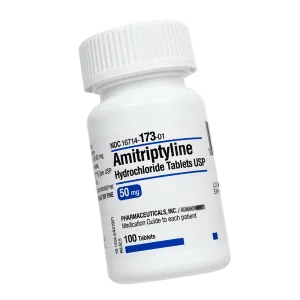
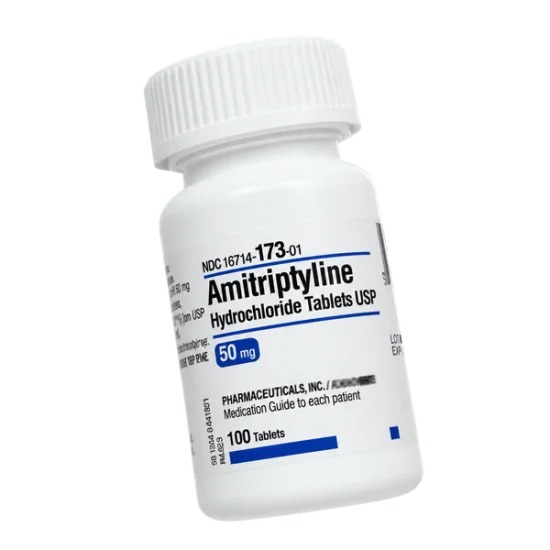
Amitriptyline hydrochloride tablets contain a tricyclic antidepressant used for depression and selected chronic pain, migraine prevention, and sleep-related conditions. They affect serotonin and…

Guaranteed quality Original product
Delivery: from 4 days Discreet shipping
24/7 Support Always available
Active ingredient: Amitriptyline
Select pack Package Per unit Price
$ 2.51 $ 226.06
$ 2.24 $ 301.41 $ 268.78 Save 11%
Free Regular Delivery $ 2.02 $ 452.12 $ 363.12 Save 20%
Free Regular Delivery $ 1.85 $ 678.18 $ 500.18 Save 26%
Best value Free Express Delivery $ 1.74 $ 904.24 $ 626.56 Save 31%

Free delivery on orders from $ 356.00, free express delivery from $ 534.00

Secure payment methods:
VISA AMEX JCB DISCOVER

Amitriptyline hydrochloride tablets contain a tricyclic antidepressant used for depression and selected chronic pain, migraine prevention, and sleep-related conditions. They affect serotonin and norepinephrine signalling, which can support mood regulation and reduce abnormal pain transmission; the amount taken at each intake is selected individually.

Product information

Amitriptyline hydrochloride, the active ingredient of Amitriptyline, is a tricyclic antidepressant used for depression and several pain-related conditions. It changes serotonin and norepinephrine signalling in the nervous system, which can support mood regulation and reduce abnormal pain transmission.

Ingredients

The active ingredient is amitriptyline hydrochloride, a tricyclic antidepressant. It affects serotonin and norepinephrine signalling in the nervous system and is supplied as tablets.

Therapeutic indications

Amitriptyline belongs to the tricyclic antidepressant class. Its established psychiatric indication is major depressive disorder, while clinicians also use it for selected chronic pain syndromes, migraine prophylaxis, and sleep disturbance. The appropriate dose depends on the condition, age, other medicines, liver function, and response.

Primary Psychiatric Indications

Amitriptyline has been used in psychiatric care for depression for many decades. It may be considered when depressive symptoms include low mood, loss of interest, disturbed sleep, appetite changes, or persistent physical symptoms. The United States Food and Drug Administration recognises amitriptyline’s antidepressant indication in its prescribing information, while Australian prescribing decisions also take account of TGA product information and individual clinical factors [1].

The medicine can cause sedation, dry mouth, constipation, blurred vision, and postural dizziness. These effects may limit its suitability, even when the antidepressant action is clinically useful.

Off-Label Applications in Chronic Pain and Neuropathy

Lower doses are commonly used for neuropathic pain than for major depressive disorder. Conditions discussed in clinical practice include diabetic neuropathy, fibromyalgia, burning pain, and other chronic pain syndromes. Amitriptyline is also used for migraine prophylaxis, where the aim is to reduce attack frequency rather than treat an established migraine episode.

Pain relief may appear before a clear improvement in mood. That difference can be useful when a patient has nerve pain with poor sleep but no major depressive disorder. It also means that a person should not increase the dose simply because pain relief is gradual.

Clinical use Main therapeutic target Typical prescribing approach
Major depressive disorder Mood, motivation, sleep, appetite Dose increased gradually when appropriate
Neuropathic or chronic pain Abnormal nerve signalling and pain sensitivity Often begins at a lower individual dose
Migraine prophylaxis or sleep disturbance Fewer attacks or improved sleep continuity Usually taken at night because of sedation

Fibromyalgia and diabetic neuropathy are not interchangeable diagnoses. The cause of pain, kidney and liver health, daytime alertness, and concurrent medicines all influence the treatment plan.

Directions for use

Amitriptyline is supplied as tablets. The amount taken at each intake is selected individually for each person rather than being one fixed amount for everyone.

  • Take the prescribed amount by mouth at the scheduled time.
  • Swallow the tablet with water.
  • Take it at the same time each day when used regularly.
  • Do not take an extra tablet to compensate for a missed dose.
  • If a dose is missed and the next scheduled dose is close, skip the missed dose rather than doubling.
  • Avoid driving, cycling in traffic, or operating machinery until the effect on alertness is clear.
  • Do not stop long-term treatment suddenly without a planned reduction, because withdrawal symptoms and return of the treated condition may follow.

For pain, migraine prevention, or sleep disturbance, prescribing often begins with a lower dose and increases slowly. Depression may require a different treatment range and a longer assessment period. The dose may need adjustment in older adults, people with liver disease, and those taking medicines that affect CYP2D6 or CYP2C19.

Do not crush or chew a tablet unless a prescriber has specifically confirmed that the product may be altered. A tablet that is difficult to swallow should be discussed before changing its form, because altering a solid dose can make accurate dosing harder.

The first dose is often scheduled in the evening because drowsiness may be strongest after starting treatment or after a dose increase. Morning sedation can persist into the next day.

When not to use it

Amitriptyline is not suitable for everyone. It is not for you if you have a known allergy to amitriptyline or related tricyclic compounds, or if you have recently had a myocardial infarction and the treating clinician has advised against tricyclic therapy.

Extra caution or a different treatment may be needed with:

  • Recent heart attack, conduction disease, arrhythmia, or prolonged QT interval
  • Untreated narrow-angle glaucoma
  • Urinary retention or significant prostate-related obstruction
  • Seizure disorder
  • Severe liver disease
  • Bipolar disorder, especially a history of mania
  • Older age with falls, confusion, constipation, or cognitive impairment
  • Pregnancy or breastfeeding
  • Previous severe reaction to antidepressants

Monoamine oxidase inhibitors must not be combined with amitriptyline. This includes tranylcypromine and phenelzine. Treatment changes require a clinically supervised washout period because the combination can produce severe toxicity, including serotonin syndrome, hyperthermia, agitation, muscle rigidity, seizures, and dangerous blood-pressure changes.

Linezolid has monoamine oxidase inhibitory activity and can also create a serious interaction. Other medicines that require review include serotonergic antidepressants, tramadol, lithium, stimulants, some migraine medicines, sedatives, antipsychotics, antiarrhythmics, antihistamines, and medicines that prolong the QT interval.

When this is not for you

This medicine may not be right for you if you have heart rhythm problems, glaucoma, difficulty urinating, seizures, severe liver disease, bipolar disorder, or a previous serious reaction to antidepressants. Extra care may be needed if you are older and prone to falls, confusion, constipation, or cognitive problems. Tell a clinician if you are pregnant, breastfeeding, or taking other antidepressants, tramadol, sedatives, heart medicines, or medicines that affect heart rhythm.

Unwanted effects

Common adverse effects arise from amitriptyline’s anticholinergic, antihistamine, and alpha-adrenergic actions. They are more likely after starting treatment or increasing the dose.

  • Dry mouth and thirst
  • Constipation
  • Blurred vision
  • Sleepiness or slowed reaction time
  • Dizziness on standing
  • Increased sweating
  • Nausea or appetite change
  • Headache
  • Difficulty urinating
  • Weight change

Orthostatic hypotension means a blood-pressure fall after standing. It can cause light-headedness, blurred vision, weakness, or a fall. Rising slowly from bed and sitting at the edge of the bed before standing can reduce this problem, though persistent symptoms require a dose review.

Amitriptyline can prolong the QT interval on an ECG. The risk rises with high exposure, overdose, low potassium or magnesium, congenital long-QT syndrome, structural heart disease, bradycardia, or other QT-prolonging medicines. Palpitations, fainting, or unexplained seizures need urgent medical assessment.

Rare but serious reactions include arrhythmia, severe hypotension, seizures, acute eye pain from angle-closure glaucoma, urinary retention, liver injury, and severe allergic reactions. Syndrome of inappropriate antidiuretic hormone secretion can cause low sodium, confusion, headache, nausea, muscle cramps, or seizures.

Constipation can become troublesome before a person connects it with amitriptyline. Adequate fluid intake, dietary fibre, movement, and early treatment of persistent constipation can prevent several uncomfortable days.

Amitriptyline may also worsen suicidal thoughts in some younger people during the early treatment period or after dose changes. Sudden mood deterioration, agitation, unusual impulsivity, or thoughts of self-harm require immediate clinical help.

Mechanism of action

Amitriptyline blocks the reuptake of serotonin and norepinephrine at nerve endings. More of these neurotransmitters remain available in the synaptic space, allowing signals between nerve cells to persist for longer. The antidepressant response develops gradually because downstream changes in neuronal signalling take time.

The same pharmacology contributes to pain relief. Amitriptyline reduces the amplification of pain signals within the central nervous system, so ordinary sensory input may feel less distressing. Its antihistamine, anticholinergic, and alpha-adrenergic effects explain several unwanted reactions, including sleepiness, dry mouth, constipation, blurred vision, and dizziness when standing.

Amitriptyline is not an SSRI. SSRIs act mainly on serotonin reuptake, while this tricyclic antidepressant affects both serotonin and norepinephrine transporters and also interacts with several other receptors. That broader activity can help some patients, but it creates more tolerability and interaction concerns.

The World Health Organization recognises tricyclic antidepressants as an established antidepressant class, while clinical guidelines place their use within a careful assessment of cardiovascular risk, suicide risk, interactions, and patient preference [2].

Common mistakes

Several avoidable patterns reduce benefit or increase risk:

  • Taking an extra dose after a poor night of sleep
  • Stopping suddenly after regular use
  • Drinking alcohol to deepen the sedative effect
  • Driving before knowing the next-day effect
  • Ignoring constipation, urinary difficulty, fainting, or palpitations
  • Combining it with an old antidepressant or leftover tramadol
  • Assuming a pain dose and a depression dose are interchangeable
  • Forgetting to mention glaucoma, heart disease, seizures, or bipolar disorder
  • Splitting or altering tablets without confirming that the tablet can be changed
  • Treating early dry mouth or dizziness as harmless when symptoms are severe

One overlooked issue is hydration during hot weather. Dehydration can worsen dizziness and increase the risk of falls, especially in older adults or people taking diuretics.

Comparison

Amitriptyline’s main distinction is its combined serotonin and norepinephrine reuptake inhibition, together with sedating and anticholinergic activity. Other approaches may be preferred when cardiac risk, daytime drowsiness, constipation, urinary retention, or interaction burden is a concern.

Approach Main action Practical limitation
Amitriptyline Serotonin and norepinephrine reuptake inhibition Sedation, anticholinergic effects, cardiac precautions
SSRI-class treatment Predominantly serotonin reuptake inhibition May cause nausea, sleep changes, or sexual dysfunction
SNRI-class treatment Serotonin and norepinephrine reuptake inhibition Can affect blood pressure, sleep, or nausea

For neuropathic pain, guidelines may place an antidepressant alongside other pharmacological and non-drug approaches. Amitriptyline can be useful when pain and poor sleep occur together, yet its sedating profile can be a disadvantage for people who need high daytime alertness.

What doctors say

Clinicians often start low and increase gradually when sedation, dizziness, or anticholinergic symptoms would interfere with daily life. The best dose is the lowest amount that provides a meaningful benefit without unacceptable impairment.

For depression, doctors assess mood, suicidal thinking, sleep, appetite, energy, and functioning over several weeks. For neuropathic pain, they usually track pain intensity, sleep quality, walking ability, and the need for rescue analgesia. A numerical pain score alone does not show whether treatment is helping daily function. Follow-up also considers adverse effects and adherence. The treatment plan can then be adjusted according to benefit, tolerability, and clinical risk.

A prescriber may arrange an ECG before treatment when there is heart disease, a family history of sudden cardiac death, electrolyte disturbance, or use of other QT-prolonging medicines. Older adults may need a more cautious approach because confusion, falls, constipation, and urinary retention can appear at lower doses.

A practical clinical point is that early sedation does not prove the medicine will provide long-term pain relief. The response should be judged after a reasonable trial at a tolerated dose, not after one sleepy night.

What customers often ask

Can Amitriptyline tablets be split, crushed, or chewed?

The product is supplied as tablets, and altering them should only occur when the prescriber or dispensing pharmacist has confirmed that the specific tablet may be changed. Crushing or chewing can make the dose harder to control and may increase unpleasant taste or local irritation. TGA product information and Australian prescribing practice in 2025 support using the supplied dosage form as directed. A tablet that cannot be swallowed comfortably may require a different formulation or treatment plan.

What is the best time of day to take Amitriptyline?

Amitriptyline is often scheduled in the evening because it can cause drowsiness and slowed reaction time. The exact timing may need adjustment if next-day sedation occurs or if the person works night shifts. FDA prescribing information in 2018 described sedation and anticholinergic effects as clinically relevant considerations. Taking it at a consistent time helps reveal whether symptoms are related to the dose schedule.

Can Amitriptyline be used during pregnancy or breastfeeding?

Pregnancy and breastfeeding require an individual risk assessment because amitriptyline passes into breast milk and fetal or newborn exposure must be considered. Untreated depression or severe chronic pain also carries health consequences, so stopping suddenly is not a suitable default. The WHO medication-safety framework in 2023 supports balancing maternal benefit, infant exposure, and available alternatives. A prescriber should review pregnancy status, gestational stage, breastfeeding, and the newborn’s condition before changing treatment.

What should be discussed with a doctor before starting Amitriptyline?

Discuss heart rhythm problems, fainting, glaucoma, urinary retention, seizures, bipolar disorder, liver disease, pregnancy, breastfeeding, and previous antidepressant reactions. Provide a full list of medicines, including tramadol, migraine treatments, sedating antihistamines, sleeping tablets, stimulants, and medicines for abnormal heart rhythm. NICE guidance published in 2020 stresses assessment of comorbidities and concurrent treatment when medicines are used for neuropathic pain. Mention any history of suicidal thoughts before the first dose or a dose increase.

How soon can the effect of Amitriptyline become noticeable?

Sedation and dry mouth may appear after the first dose, while pain relief and improved sleep can take several days or longer. Antidepressant benefit generally requires a consistent trial over several weeks, with review of mood, functioning, and adverse effects. The FDA antidepressant information available in 2018 describes the need for ongoing observation during early treatment and dose changes. Lack of immediate improvement does not justify taking extra tablets.

Can Amitriptyline be taken with food or on an empty stomach?

Amitriptyline tablets may generally be taken with food or without food, but taking them in the same way each day can make tolerability more predictable. Food may help if nausea occurs, while water is useful for swallowing and reducing mouth dryness. TGA product information current in clinical use before 2026 permits routine oral administration without a strict meal requirement. Alcohol remains a concern because it can intensify sedation even when the tablet is taken with food.

Do you offer anonymous delivery?

Your order will be securely packed and shipped within 24 hours. This is exactly what your package will look like (images of an actual item sent). It has the size and look of a regular private letter (24x11x0.7 cm) and its contents cannot be seen.

Comparison

Amitriptyline Current

Active ingredient: Amitriptyline
50mg
From $ 226.06
pills
3 (3)

Anafranil

Active ingredient: Clomipramine
25mg 50mg 75mg 10mg
From $ 154.86
pills
3.7 (5)

Paroxetine

Active ingredient: Paroxetine
20mg
From $ 183.34
pills
4.4 (5)

Prozac

Active ingredient: Fluoxetine
10mg 20mg 40mg 60mg
From $ 144.18
capsules
3.6 (4)

Remeron

Active ingredient: Mirtazapine
30mg 7.5mg 15mg
From $ 165.54
pills
4 (5)

Wellbutrin

Active ingredient: Bupropion
300mg
From $ 227.84
pills
3.3 (3)

How the medicines for Antidepressants compare

Sources

  1. U.S. Food and Drug Administration (2018). Amitriptyline Hydrochloride Tablets — Prescribing Information.
  2. World Health Organization (2023). WHO Model List of Essential Medicines.

How Buyers Rate Amitriptyline

Based on 3 reviews

Ian, 28 Verified
Rating: 3.5 out of 5

began a low evening dose for nerve pain and poor sleep. The first week left him groggy in the morning, but after several weeks he reported fewer night-time pain flares. He still avoided driving early after taking a later dose.

The first week; after several weeks 25 Oct 2026
Tom, 42 Verified
Rating: 3.5 out of 5

used Amitriptyline at the prescribed dose for migraine prevention. After about a month, his headaches were less frequent, although dry mouth and constipation became annoying. Increasing fluids and treating constipation early helped, but the medicine was reduced when daytime concentration became difficult.

About a month 31 Oct 2026
Richard, 61 Verified
Rating: 2 out of 5

stopped his prescribed tablets abruptly after several months of treatment when he felt better. Within days he developed poor sleep, nausea, irritability, and a return of pain. His treatment plan was later adjusted with a gradual reduction rather than sudden discontinuation.

Several months 5 Oct 2026
Get our free app Shop faster and track your orders 3.8 · 494 reviews Install