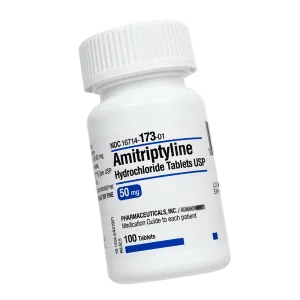
He had taken Wellbutrin XL 300 mg for about six weeks. His morning energy improved first, while mood took longer to change. Dry mouth was annoying during the first fortnight, but moving the tablet earlier reduced his sleep disturbance.
About six weeks 25 Oct 2026
Wellbutrin
Adults diagnosed with major depressive disorder may be prescribed Wellbutrin, which contains bupropion hydrochloride in an extended-release tablet. It acts on norepinephrine and dopamine pathways…
Adults diagnosed with major depressive disorder may be prescribed Wellbutrin, which contains bupropion hydrochloride in an extended-release tablet. It acts on norepinephrine and dopamine pathways rather than primarily on serotonin, offering a different treatment approach for suitable patients.
Product information
Wellbutrin is the brand name used for bupropion, an aminoketone antidepressant classified pharmacologically as a norepinephrine–dopamine reuptake inhibitor, or NDRI. The product supplied here is an extended-release tablet containing bupropion hydrochloride, with the amount per intake set individually for each person rather than being one fixed number.
Ingredients
The active ingredient is bupropion hydrochloride. It is not an SSRI, and its primary pharmacological action does not depend on serotonin reuptake inhibition.
Regulatory information from the TGA and FDA describes bupropion as an antidepressant with dose-related seizure risk. Its extended-release design maintains exposure over a longer period than an immediate-release tablet, allowing once-daily administration for the XL formulation [1].
Therapeutic indications
The medicine is prescribed mainly for adults with major depressive disorder, with treatment decisions based on psychiatric assessment, medical history, and previous response to antidepressants.
Wellbutrin can be useful when low mood occurs alongside reduced motivation, slowed thinking, fatigue, or loss of interest. It may be less suitable for patients whose depression is dominated by severe anxiety, agitation, insomnia, or a history of seizures.
Directions for use
Wellbutrin XL is taken orally, usually once daily, at the prescribed strength. The tablet should be swallowed whole and taken at approximately the same time each day. A morning schedule is often selected because bupropion may cause insomnia when taken later.
The prescribed amount is individualised. Dose selection can depend on age, liver function, kidney function, other medicines, prior antidepressant exposure, seizure risk, and the response seen during early treatment.
Daily administration
- Take the tablet exactly as prescribed.
- Swallow it whole with water.
- Take it at the same time each day.
- Do not take extra tablets to compensate for a missed dose.
- Avoid taking a missed dose late in the day if it is close to the next scheduled dose.
- If the next dose is near, skip the missed tablet and resume the usual schedule.
Do not stop long-term antidepressant treatment suddenly without a planned prescriber-led reduction or change. Abrupt changes can produce withdrawal-like symptoms, return of depressive symptoms, or problems related to the condition being treated.
Patients should not judge the medicine after only one or two doses. Early effects may include dry mouth, reduced appetite, restlessness, or altered sleep before mood improvement becomes clear.
When not to use it
- A current seizure disorder or a previous seizure unless a specialist has specifically assessed the risk.
- Current or previous bulimia nervosa or anorexia nervosa.
- Abrupt withdrawal from alcohol, benzodiazepines, barbiturates, or some anti-seizure medicines.
- Current use of a monoamine oxidase inhibitor, or MAOI.
- A known serious allergic reaction to bupropion or an ingredient in the tablet.
- A medical condition associated with a substantially lowered seizure threshold.
Bupropion is also unsuitable when another bupropion-containing product is being taken, because duplicate exposure can raise seizure risk. This includes checking medicines used for smoking cessation or other indications.
When this is not for you
Wellbutrin is not suitable for everyone. NOT for you if you have a current seizure disorder, bulimia nervosa, anorexia nervosa, or an active MAOI prescription. It should not be used by a person with:
- A current seizure disorder or a previous seizure unless a specialist has specifically assessed the risk.
- Current or previous bulimia nervosa or anorexia nervosa.
- Abrupt withdrawal from alcohol, benzodiazepines, barbiturates, or some anti-seizure medicines.
- Current use of a monoamine oxidase inhibitor, or MAOI.
- A known serious allergic reaction to bupropion or an ingredient in the tablet.
- A medical condition associated with a substantially lowered seizure threshold.
Unwanted effects
Common adverse effects associated with bupropion include:
- Dry mouth
- Headache
- Nausea
- Reduced appetite
- Constipation
- Tremor
- Restlessness
- Anxiety
- Insomnia
- Increased sweating
- Dizziness
These effects often appear during the first part of treatment and may lessen as the body adapts. Insomnia, tremor, and agitation can become more noticeable when the dose is increased too quickly or when the tablet is taken late in the day.
Bupropion can increase blood pressure. Patients with hypertension may need blood-pressure monitoring, especially when other medicines that raise blood pressure are also used. The TGA and EMA recognise seizure as a rare but serious dose-related risk, with greater concern at higher exposure or in people with predisposing conditions [2].
Seizure risk and neuropsychiatric considerations
Seek urgent medical attention after a seizure, severe confusion, hallucinations, severe agitation, or a sudden major change in behaviour. New suicidal thoughts, worsening depression, or unusual impulsivity also require prompt clinical assessment, especially after starting treatment or changing the dose.
Bupropion may activate or worsen mania in people with bipolar disorder. A history of bipolar disorder, psychosis, severe mood swings, or a close relative with bipolar illness should be considered before treatment.
One practical pattern clinicians see is confusing activation with improvement. More energy without better mood can sometimes increase distress or impulsivity rather than indicate recovery.
Mechanism of action
Bupropion increases signalling involving norepinephrine and dopamine by reducing their reuptake in the central nervous system. These neurotransmitters influence alertness, motivation, attention, mood, and reward processing.
Common mistakes
Several avoidable errors can reduce tolerability or create unnecessary risk:
- Taking an extended-release tablet more than once daily without instruction.
- Crushing or chewing the tablet.
- Taking it near bedtime after experiencing insomnia.
- Doubling the next dose after forgetting one.
- Combining it with another bupropion-containing medicine.
- Failing to disclose bulimia, anorexia, seizures, or abrupt alcohol withdrawal.
- Stopping suddenly because the first week feels activating.
- Assuming increased energy automatically means the depression has resolved.
- Not reporting new suicidal thoughts, mania-like symptoms, or severe agitation.
- Forgetting to mention bupropion before a urine drug screen.
Comparison
Wellbutrin belongs to a different antidepressant group from medicines that primarily increase serotonin signalling. This distinction can influence which adverse effects are more likely and which patients may be considered suitable candidates.
| Treatment approach | Main neurotransmitter focus | Practical clinical distinction |
|---|---|---|
| Bupropion NDRI | Norepinephrine and dopamine | May support energy and motivation, with less direct serotonergic activity |
| SSRI approach | Serotonin | Commonly used for depression and anxiety, but may cause sexual dysfunction or gastrointestinal symptoms |
| Serotonin–noradrenaline approach | Serotonin and noradrenaline | May affect mood, anxiety, pain processing, blood pressure, and sleep |
Bupropion may be considered when sexual adverse effects from serotonergic antidepressants are a major concern. It can also be considered when fatigue and low motivation are prominent. Its limitations are just as clinically relevant: it may worsen anxiety or insomnia, and it is unsuitable for people with specific seizure or eating-disorder histories.
A prescriber may choose a serotonergic option when persistent anxiety, panic symptoms, obsessive symptoms, or trauma-related symptoms are central. The choice depends on the diagnosis rather than on a simple ranking of antidepressants.
What doctors say
In clinical practice, prescribers usually assess three separate outcomes: mood, daily functioning, and adverse effects. A patient may report more energy before depressive thinking improves, so follow-up should examine whether activity is becoming productive or increasingly restless.
Doctors also monitor sleep. A late dose can create a preventable problem that is then mistaken for treatment failure. Timing, caffeine intake, alcohol use, and other stimulating medicines are reviewed before changing the antidepressant.
The main advantages of Wellbutrin are its non-SSRI mechanism, lower likelihood of some serotonergic adverse effects, and possible benefit for low energy or reduced motivation. The main limitations are insomnia, anxiety, blood-pressure elevation, and seizure risk in susceptible patients.
A psychiatrist may avoid bupropion when panic symptoms dominate, while considering it when sexual dysfunction or fatigue has limited previous antidepressant treatment. The choice is based on the patient’s full symptom pattern, not on the medicine’s brand name.
What customers often ask
Can Wellbutrin affect driving, concentration, or work with machinery?
Bupropion may cause dizziness, blurred concentration, tremor, agitation, or insomnia, especially during early treatment or after a dose change. The TGA’s medicine-safety approach in 2025 supports assessing individual alertness before driving or operating machinery. A person should avoid these activities if they feel dizzy, unusually restless, confused, or unable to concentrate normally.
How long does a Wellbutrin course last, and is long-term use acceptable?
Treatment duration depends on the diagnosis, relapse risk, previous episodes, and response. WHO depression guidance discussed in 2023 supports continuing antidepressant treatment after improvement when relapse risk remains significant. Long-term use may be appropriate for some adults, with periodic review of mood, blood pressure, sleep, adverse effects, and ongoing benefit.
What should be done if the expected result does not come?
A lack of improvement may reflect insufficient treatment duration, an unsuitable dose, poor sleep, alcohol use, another diagnosis, or a separate medical condition. NICE depression guidance from 2022 recommends reviewing adherence, diagnosis, severity, psychosocial factors, and treatment response before changing therapy. Do not increase the dose independently, and report worsening depression, suicidal thoughts, mania-like symptoms, or severe agitation promptly.
Can Wellbutrin be combined with medicines or supplements that affect seizures?
Combining bupropion with medicines that lower the seizure threshold can increase risk. Examples include some antipsychotics, antidepressants, stimulants, systemic corticosteroids, and certain medicines used for infections; supplement combinations also require review because stimulant products may worsen agitation or insomnia. The Australian Therapeutic Goods Administration identified seizure-threshold assessment as a key safety consideration in its bupropion information published before 2026.
Does Wellbutrin cause sexual side effects?
Sexual dysfunction can occur, but it is generally less associated with bupropion than with many serotonergic antidepressants. NICE depression guidance from 2022 recognises that sexual symptoms may arise from depression itself, from treatment, or from both. Reduced libido, delayed orgasm, or erectile difficulty should be discussed clinically rather than attributed automatically to one cause.
How soon can the effect of Wellbutrin become noticeable?
Sleep, appetite, restlessness, or daytime energy may change during the first one to two weeks, while improvement in depressive symptoms often takes longer. FDA-reviewed clinical information and psychiatric evidence available in 2025 describe antidepressant response as developing over several weeks, with continued assessment needed before judging the full effect. Absence of an early benefit does not justify taking extra tablets.
Do you offer anonymous delivery?
Your order will be securely packed and shipped within 24 hours. This is exactly what your package will look like (images of an actual item sent). It has the size and look of a regular private letter (24x11x0.7 cm) and its contents cannot be seen.
Comparison
Sources
- FDA (2024). Wellbutrin XL (bupropion hydrochloride extended-release tablets) Prescribing Information
- TGA (2023). Product Information — bupropion hydrochloride
How Buyers Rate Wellbutrin
Based on 3 reviews
He used the prescribed extended-release tablet for several months. He reported better concentration and fewer sexual side effects than with a previous antidepressant, though appetite was lower and anxiety increased during the first two weeks.
Several months 31 Oct 2026He stopped after a short period because insomnia and tremor became difficult to manage. His experience showed why taking the tablet late in the day and changing the dose without review can create problems.
A short period 5 Oct 2026