Skip to content
In Stock Paroxetine
Antidepressants

Paroxetine

Paroxetine, the active ingredient of Paroxetine, is a selective serotonin reuptake inhibitor used for depression and several anxiety-related disorders. It supports serotonin signalling in the brain…

Guaranteed quality Original product
Delivery: from 4 days Discreet shipping
24/7 Support Always available
Active ingredient: Paroxetine
Select pack Package Per unit Price
$ 6.11 $ 183.34
$ 4.78 $ 366.68 $ 286.58 Save 22%
Free Regular Delivery $ 4.37 $ 550.02 $ 393.38 Save 28%
Free Regular Delivery $ 4.14 $ 733.36 $ 496.62 Save 32%
Free Express Delivery $ 3.89 $ 1,100.04 $ 699.54 Save 36%
Free Express Delivery $ 3.76 $ 1,650.06 $ 1,016.38 Save 38%
Best value Free Express Delivery $ 3.68 $ 2,200.08 $ 1,326.10 Save 40%

Free delivery on orders from $ 356.00, free express delivery from $ 534.00

Secure payment methods:
VISA AMEX JCB DISCOVER

Paroxetine, the active ingredient of Paroxetine, is a selective serotonin reuptake inhibitor used for depression and several anxiety-related disorders. It supports serotonin signalling in the brain and can reduce persistent low mood, intrusive thoughts, panic, and excessive worry.

Product information

The tablets require an individually confirmed regimen before treatment begins.

Paroxetine belongs to the selective serotonin reuptake inhibitor (SSRI) class. Its active pharmaceutical ingredient is paroxetine, commonly supplied as paroxetine hydrochloride in oral tablet formulations. SSRIs act on serotonin pathways involved in mood, fear responses, sleep, appetite, and emotional regulation.

Ingredients

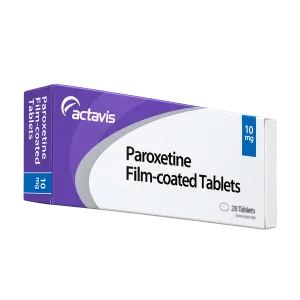
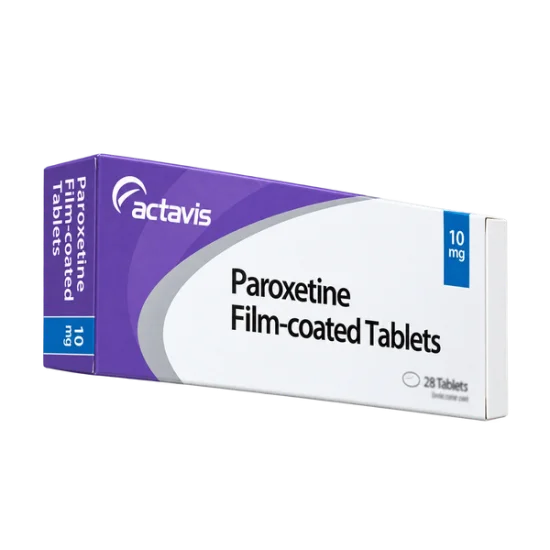
Paroxetine is supplied as oral film-coated tablets. The product presentation contains paroxetine tablets, with the strength selected according to the prescribed regimen. The regimen for the chosen strength must be confirmed with a healthcare professional before treatment begins.

Immediate-release tablets release the active ingredient after swallowing and are taken according to a daily regimen. Modified-release formulations are designed to release paroxetine more gradually. Their dosing instructions and handling requirements are not interchangeable with immediate-release tablets.

Formulation category Release pattern Practical implication
Immediate-release tablet Releases after swallowing Taken according to the prescribed daily schedule
Modified-release tablet Releases over a controlled period Must be handled according to its specific formulation instructions

Do not substitute one formulation for another based only on the strength printed in milligrams. Release characteristics can change the way the dose enters the bloodstream. The FDA prescribing information describes formulation-specific administration and dose-adjustment principles [5].

Therapeutic indications

Paroxetine is prescribed for adult depressive and anxiety-related conditions when a clinician considers an SSRI suitable. Its recognised therapeutic uses include:

  • Major depressive disorder
  • Generalised anxiety disorder
  • Panic disorder
  • Obsessive-compulsive disorder
  • Social anxiety disorder
  • Post-traumatic stress disorder

Depression may involve low mood, loss of interest, reduced motivation, sleep changes, appetite changes, guilt, slowed thinking, and thoughts of death. Anxiety disorders can involve persistent worry, sudden panic, avoidance, intrusive thoughts, repetitive behaviours, or distress in social situations. Paroxetine is used to reduce the underlying symptom pattern rather than simply make a person sleepy.

Treatment usually starts at a lower dose and increases only when the response and tolerability justify it. The appropriate regimen for the chosen strength must be confirmed with a healthcare professional before starting. Clinical indication and dosing information for paroxetine are set out in regulatory prescribing documents and recognised treatment guidance [2].

The medicine may be continued after symptoms improve to reduce the chance of relapse. Stopping suddenly can cause discontinuation symptoms, including dizziness, electric-shock sensations, irritability, nausea, sweating, vivid dreams, and sleep disturbance.

Directions for use

Paroxetine tablets are taken by mouth. The regimen for the selected strength should be confirmed with a healthcare professional before treatment begins.

Practical administration principles include:

  • Take the tablet once daily at the prescribed time.
  • Swallow it with water.
  • Take it at the same time each day to maintain regular exposure.
  • If it causes sleepiness, an evening schedule may be preferred.
  • If it causes activation or insomnia, a morning schedule may be more suitable.
  • Do not double the next dose after a missed tablet.
  • If a missed dose is remembered near the next scheduled dose, skip it and resume the usual schedule.
  • Do not stop treatment suddenly without a planned reduction.

Paroxetine tablets should not be split, crushed, or chewed unless the specific formulation has been confirmed as suitable for that method. Modified-release tablets require extra care because altering them may change how the dose is released.

Treatment duration depends on the diagnosis, symptom response, previous episodes, and relapse risk. A person may need to continue treatment for several months after improvement. Panic disorder can also require a cautious start because anxiety may feel temporarily stronger during the first stage.

Keep the daily dose attached to a routine, such as breakfast or brushing your teeth. The aim is not to take it at a perfect minute, but to avoid repeated missed doses.

When not to use it

Paroxetine is not suitable for everyone. The following situations require avoidance, specialist planning, or close monitoring.

  • You are taking a monoamine oxidase inhibitor (MAOI).
  • You stopped an MAOI recently and the required washout period has not passed.
  • You are taking pimozide.
  • You are taking thioridazine.
  • You have had a serious allergic reaction to paroxetine or an excipient in the tablets.
  • You have untreated bipolar disorder with a history of manic episodes and no mood-stabilising plan.
  • You are taking tamoxifen and no alternative antidepressant has been selected.
  • You have a seizure disorder that is not adequately controlled.
  • You have a significant bleeding risk that has not been reviewed.
  • You have severe liver or kidney impairment requiring an adjusted regimen.

MAOIs and paroxetine can produce excessive serotonin activity, severe blood-pressure changes, high temperature, muscle rigidity, seizures, or loss of consciousness. The medicines must not be combined, and switching requires a clinically defined washout period.

Pimozide and thioridazine can increase the risk of dangerous cardiac rhythm changes when combined with medicines that alter their metabolism. Paroxetine also inhibits CYP2D6, an enzyme needed to convert tamoxifen into active metabolites. This may reduce tamoxifen’s therapeutic effect, so the combination requires a different treatment plan.

Other medicines requiring review include anticoagulants, antiplatelet drugs, non-steroidal anti-inflammatory drugs, tramadol, lithium, other antidepressants, triptans, linezolid, stimulants, some antipsychotics, and medicines that affect heart rhythm. The TGA and EMA provide detailed safety information for paroxetine, including serotonin toxicity, bleeding, pregnancy, and interaction warnings [4].

Pregnancy requires an individual risk-benefit assessment. Exposure late in pregnancy may be associated with newborn adaptation problems, respiratory symptoms, feeding difficulty, or persistent pulmonary hypertension of the newborn. Paroxetine can pass into breast milk, so breastfeeding plans should be reviewed before treatment begins.

When this is not for you

This medicine may not be right for you if you take an MAOI, pimozide, thioridazine, or tamoxifen without an alternative treatment plan. You should also seek medical advice before use if you have bipolar symptoms, uncontrolled seizures, a bleeding problem, or severe liver or kidney disease. Tell a healthcare professional if you are pregnant, breastfeeding, or taking medicines for pain, depression, migraine, infection, blood clotting, or heart rhythm.

Unwanted effects

Paroxetine can cause side effects, especially during the first days or weeks. Many early effects settle as the body adapts, although persistent or troublesome symptoms need clinical review.

Common reactions include:

  • Nausea or stomach discomfort
  • Diarrhoea or constipation
  • Dry mouth
  • Headache
  • Sweating
  • Tremor or restlessness
  • Fatigue or sleepiness
  • Insomnia or vivid dreams
  • Reduced appetite
  • Sexual dysfunction
  • Difficulty reaching orgasm or delayed ejaculation
  • Reduced libido

Sexual side effects can continue after mood and anxiety symptoms have improved. They are often under-reported because patients may feel uncomfortable raising the subject. A change in libido, orgasm, or erectile function should be discussed openly rather than treated as an unavoidable part of treatment.

Weight change and changes in blood lipid measurements can occur in some patients. High blood cholesterol level is not a reason to stop treatment independently, but it may require review of diet, exercise, existing cardiovascular risk, and other medicines.

Sleep disturbances can occur in either direction. Some people feel drowsy, while others experience difficulty falling asleep. Alcohol can worsen sedation, impaired judgement, or poor sleep, so combining alcohol with paroxetine may make daily functioning more difficult.

Rare but urgent reactions include:

  • Suicidal thoughts or a sudden worsening of depression
  • Severe agitation, confusion, fever, sweating, muscle stiffness, or diarrhoea
  • Seizure
  • Fainting or a serious heart-rhythm symptom
  • Severe allergic swelling or breathing difficulty
  • Unusual bleeding or extensive bruising
  • Manic symptoms, such as very little sleep, racing thoughts, impulsive behaviour, and unusual overconfidence

The adverse-effect profile, warnings, and frequency categories are described in the FDA prescribing information for paroxetine [3].

Nausea is often easier to manage when the tablet is taken with a light meal. If nausea is severe, lasts beyond the early treatment period, or causes dehydration, it needs medical assessment rather than repeated self-treatment.

One practical detail matters for urine testing. Paroxetine can interfere with some laboratory immunoassays and may contribute to a false-positive screening result for amphetamines. Tell the testing service about prescribed medicines before a result is interpreted.

Mechanism of action

Serotonin is released between nerve cells, where it carries signals across a small junction called the synapse. After signalling, a transporter normally takes serotonin back into the nerve cell. Paroxetine inhibits this transporter, allowing serotonin to remain available in the synapse for longer.

The change is gradual. Paroxetine does not produce an immediate sedative or mood-elevating effect after one tablet. Repeated dosing changes serotonin signalling over time, while improvements in anxiety, mood, sleep, and intrusive thoughts may appear at different rates for different people. The pharmacological basis of this action is described in regulatory information reviewed by the FDA and other medicines authorities [1].

A common early misunderstanding is expecting the first tablet to remove anxiety. Paroxetine works through repeated exposure, so early treatment is judged by tolerability and gradual symptom change rather than an instant effect.

Paroxetine also has clinically relevant activity at liver enzymes involved in drug metabolism, especially CYP2D6. This explains several important interactions, including reduced activation of some medicines used in oncology and increased exposure to selected cardiovascular or psychiatric drugs.

Common mistakes

Several practical errors can make treatment appear ineffective or increase discomfort:

  • Stopping after a few days because mood has not improved yet.
  • Taking two tablets after missing a dose.
  • Changing between morning and evening dosing repeatedly.
  • Crushing a modified-release tablet.
  • Combining paroxetine with tramadol or another serotonergic medicine without review.
  • Using anti-inflammatory painkillers frequently despite a bleeding risk.
  • Ignoring sexual side effects instead of reporting them.
  • Drinking alcohol when the medicine causes drowsiness.
  • Starting herbal products that affect serotonin without checking for interactions.
  • Stopping suddenly after months of treatment.
A simple medication record can reveal the cause of many problems: note the dose time, sleep quality, nausea, agitation, sexual symptoms, and missed doses for the first few weeks.

A missed dose is usually handled by taking the next scheduled dose normally when the missed tablet is remembered close to that time. Extra doses increase the risk of vomiting, drowsiness, agitation, tremor, seizures, and cardiac complications.

Comparison

Paroxetine is an oral, single-ingredient SSRI approach that supports serotonin signalling in the brain. Unlike non-drug approaches, it works through a medicine-based mechanism and requires an individually confirmed regimen from a healthcare professional.

What doctors say

In clinical practice, doctors usually set expectations before starting paroxetine. The first target is often tolerability and regular dosing, followed by gradual improvement in the main symptoms. Anxiety, panic, and obsessive thoughts may take longer to settle than nausea or sleep changes.

A clinician will also ask about previous antidepressant reactions, bipolar symptoms, seizures, bleeding, pregnancy plans, tamoxifen, pain medicines, migraine treatments, and recreational substances. These questions are pharmacological screening, not routine paperwork.

Doctors commonly advise against changing the dose after one difficult day. Early restlessness can improve, but intense agitation, suicidal thinking, mania, severe allergic symptoms, or serotonin-toxicity signs require urgent assessment. A planned taper is used when treatment ends because paroxetine has a relatively short half-life and discontinuation symptoms can be noticeable.

Paroxetine can be useful when the treatment goal includes both depressed mood and anxiety. Its drawbacks include sexual dysfunction, withdrawal symptoms after abrupt stopping, and interaction potential through CYP2D6. The choice is a clinical trade-off, not a universal first choice for every patient.

What customers often ask

Which diet, exercise, or habits can support or hinder paroxetine treatment?

Regular sleep, moderate physical activity, and a stable daily routine can support recovery from depression and anxiety. Alcohol may worsen drowsiness, impaired judgement, sleep disruption, and mood instability. The WHO’s 2023 mental-health guidance supports combining appropriate treatment with routine-based physical activity and social support, while these habits do not replace the prescribed medicine.

Caffeine can aggravate tremor, nervousness, or insomnia in sensitive patients. A balanced diet helps maintain general health, and no specific food is required to activate paroxetine; abruptly changing several lifestyle factors at once can make it difficult to identify what caused a new symptom.

Can Paroxetine tablets be split, crushed, or chewed?

Tablets should be swallowed as supplied unless the specific formulation has been confirmed as suitable for splitting. Crushing or chewing a modified-release tablet can change the release pattern and increase the amount absorbed at one time. The EMA’s 2024 medicines information emphasises formulation-specific administration for modified-release products.

A tablet should not be divided simply to create a lower dose. Dose changes should use an appropriate strength or a clinician-directed plan. Accidental chewing is not usually a reason to take another tablet, because an extra dose could increase adverse effects.

How long does one dose of Paroxetine keep working?

Paroxetine is intended for regular daily dosing rather than occasional use. A single dose affects serotonin transport for longer than the period when the tablet is physically present in the stomach, but symptom control depends on maintaining repeated exposure. The TGA’s 2024 prescribing approach uses scheduled administration and gradual dose adjustment rather than as-needed dosing.

Missing doses can produce fluctuating exposure and may contribute to dizziness, irritability, nausea, or unusual sensory symptoms. The duration of treatment depends on the disorder and relapse risk, so a person should not stop when the first improvement appears.

Which symptoms mean stopping and seeking urgent medical help?

Urgent assessment is needed for suicidal thoughts, severe agitation, confusion, high fever, marked sweating, muscle rigidity, seizures, fainting, facial swelling, breathing difficulty, or unexplained heavy bleeding. These symptoms can indicate serious reactions, including serotonin toxicity, an allergic reaction, seizure, or a bleeding complication. The FDA’s 2023 safety information highlights the need for prompt attention to severe psychiatric and physical changes.

Do not take another dose while waiting for urgent advice if a severe allergic reaction, seizure, collapse, or serotonin-toxicity pattern is developing. Contact emergency services for breathing difficulty, loss of consciousness, severe chest symptoms, or a seizure.

Can Paroxetine be taken with food or on an empty stomach?

Paroxetine may be taken with food or without food, provided it is taken consistently at the prescribed time. Taking it with a light meal may reduce nausea for some people. The TGA’s 2024 product information allows oral administration without requiring a specific meal relationship.

Food does not remove the need to avoid MAOIs, pimozide, thioridazine, or clinically significant interacting medicines. Grapefruit is not the main interaction concern with paroxetine, but the complete medicine and supplement list still needs review.

Do you offer anonymous delivery?

Your order will be securely packed and shipped within 24 hours. This is exactly what your package will look like (images of an actual item sent). It has the size and look of a regular private letter (24x11x0.7 cm) and its contents cannot be seen.

Comparison

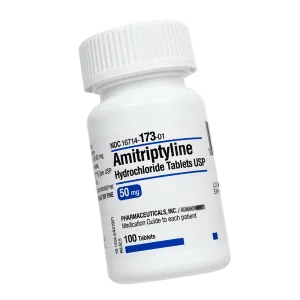
Amitriptyline

Active ingredient: Amitriptyline
50mg
From $ 226.06
pills
3 (3)

Anafranil

Active ingredient: Clomipramine
25mg 50mg 75mg 10mg
From $ 154.86
pills
3.7 (5)

Paroxetine Current

Active ingredient: Paroxetine
20mg
From $ 183.34
pills
4.4 (5)

Prozac

Active ingredient: Fluoxetine
10mg 20mg 40mg 60mg
From $ 144.18
capsules
3.6 (4)

Remeron

Active ingredient: Mirtazapine
30mg 7.5mg 15mg
From $ 165.54
pills
4 (5)

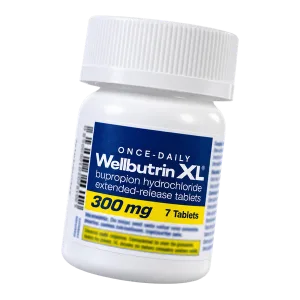
Wellbutrin

Active ingredient: Bupropion
300mg
From $ 227.84
pills
3.3 (3)

How the medicines for Antidepressants compare

Sources

  1. U.S. Food and Drug Administration (2023). PAXIL (paroxetine hydrochloride) prescribing information.
  2. National Institute for Health and Care Excellence (2022). Depression in adults: treatment and management.
  3. U.S. Food and Drug Administration (2023). Antidepressant use in children, adolescents, and adults: prescribing information and medication guide.
  4. Therapeutic Goods Administration (2024). Paroxetine: Australian product information.
  5. European Medicines Agency (2024). Paroxetine-containing medicinal products: product information.

How Buyers Rate Paroxetine

Based on 5 reviews

Jonathan, 40 Verified
Rating: 4 out of 5

took paroxetine for persistent panic symptoms. The first week brought nausea and restless sleep, but those effects eased during the third week. He later found crowded places easier to manage, although sexual side effects remained a concern.

8 Nov 2026
Amy, 30 Verified
Rating: 5 out of 5

used a daily tablet for depression and social anxiety. She noticed less rumination after several weeks and could return to regular exercise. Morning dosing worked better for her because evening doses made it harder to sleep.

14 Nov 2026
Martin, 55 Verified
Rating: 4 out of 5

stopped treatment abruptly after feeling better and developed dizziness, irritability, and electric-shock sensations. A gradual restart and tapering plan resolved the problem, but he felt the withdrawal could have been explained more clearly at the beginning.

19 Oct 2026
Laura, 37 Verified
Rating: 4 out of 5

reported improved panic symptoms after the initial adjustment period. Nausea was manageable with food, yet reduced libido affected her relationship and required a separate discussion about treatment options.

28 Oct 2026
Matthew Z., 60 Verified
Rating: 5 out of 5

had been taking paroxetine alongside several long-term medicines. His doctor reviewed the full list before starting and changed the timing of one medicine. He valued the improvement in sleep, while mild sweating continued during warmer weather.

5 Nov 2026
Get our free app Shop faster and track your orders 3.8 · 491 reviews Install