My sleep became more settled in the first week, and my mood took longer to lift. I felt foggy in the mornings at first, so I stopped driving early until I knew how I reacted.
Three months 18 Nov 2026
Remeron
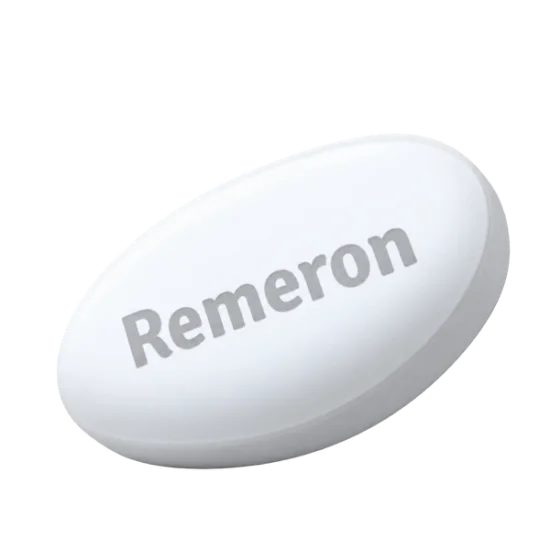
Remeron is intended for adults with major depressive disorder and is the brand name associated with mirtazapine, an atypical antidepressant. It changes serotonin and norepinephrine signalling and may…
Remeron is intended for adults with major depressive disorder and is the brand name associated with mirtazapine, an atypical antidepressant. It changes serotonin and norepinephrine signalling and may also reduce depressive symptoms when poor sleep or reduced appetite are present.
Product information
Remeron belongs to the atypical antidepressant class. Its active ingredient is mirtazapine, which increases central noradrenergic and serotonergic neurotransmission through receptor modulation rather than direct inhibition of serotonin reuptake pumps. The United States Food and Drug Administration recognises mirtazapine for major depressive disorder in adults [1].
Mirtazapine is available as tablets and is taken orally.
Ingredients
Remeron belongs to the atypical antidepressant class. Its active ingredient is mirtazapine.
Therapeutic indications
Remeron is primarily used for major depressive disorder. The Therapeutic Goods Administration and other medicines regulators describe mirtazapine as an antidepressant used for depressive illness in adults, with treatment decisions based on symptoms, medical history, and response [2].
Clinicians may also prescribe mirtazapine outside its main approved indication when depression occurs alongside insomnia, loss of appetite, or anxiety symptoms. These uses are off-label and require a clinical assessment because sedation, weight change, and interactions can alter the balance of benefit and harm.
Common clinical objectives include:
- reducing persistent low mood and loss of interest;
- improving sleep continuity when depression is linked with insomnia;
- supporting appetite when depressive illness has reduced food intake;
- reducing associated anxiety symptoms in selected patients;
- maintaining improvement after the acute depressive episode has settled.
The evidence for off-label insomnia treatment is less extensive than the evidence for major depressive disorder. Sedation alone does not establish that the underlying condition has been treated.
Directions for use
The regimen for the selected Remeron strength must be confirmed with a healthcare professional before starting. The treatment is taken by mouth as a tablet, usually on a regular daily schedule.
Practical administration points include:
- take the tablet at the confirmed time each day;
- swallow it as directed rather than changing the form independently;
- use a consistent routine to reduce missed doses;
- avoid doubling the next dose after a missed dose;
- seek specific instructions if several doses have been missed;
- continue treatment for the prescribed duration, even if sleep improves before mood does.
Do not alter the strength, split the tablet, crush it, or chew it unless the treating clinician or dispensing pharmacist has confirmed that the particular tablet can be handled that way. Different tablet formulations can have different physical characteristics.
Food does not usually determine whether mirtazapine can be absorbed, so many people take it with or without food. A consistent pattern may make nausea or stomach discomfort easier to interpret.
When not to use it
MAO inhibitors must not be taken at the same time as mirtazapine. A planned washout period is needed when changing between these treatments, determined by the prescriber.
The Australian TGA advises attention to central nervous system effects when mirtazapine is combined with other sedating substances [4].
When this is not for you
Remeron is NOT for you if you have a contraindication, cannot tolerate its sedating or appetite-related effects, or have not received appropriate clinical assessment.
Unwanted effects
The most recognisable adverse effects of Remeron are drowsiness, increased appetite, dry mouth, constipation, dizziness, and weight gain. The Australian product information and FDA prescribing information both describe somnolence and appetite or weight changes among clinically relevant effects [3].
Sedation can be helpful at night but troublesome during the day. Some patients report feeling heavy-headed when they first wake, especially if they take the tablet late or sleep for fewer hours than usual. Driving, operating machinery, and work requiring sustained attention may become more difficult until the individual response is clear.
Other possible effects include:
- headache;
- nausea or stomach discomfort;
- swelling caused by fluid retention;
- abnormal dreams;
- fatigue;
- increased cholesterol or triglyceride levels;
- postural dizziness, especially when standing quickly.
Weight gain is not simply a matter of willpower. Histamine and serotonin receptor activity can increase appetite, alter food preferences, and make evening eating more tempting. A weekly weight check and attention to appetite changes can identify a trend before it becomes difficult to reverse.
Dry mouth can make night-time thirst more noticeable. Sugar-free gum, regular water intake, and good dental hygiene may help, provided fluid intake is appropriate for the person’s heart and kidney health.
Mechanism of action
Mirtazapine blocks central presynaptic alpha-2 adrenergic receptors. This removes part of the normal braking effect on norepinephrine and serotonin release. It also acts on several serotonin receptors, including 5-HT2 and 5-HT3 receptors, while preserving activity at 5-HT1A receptors associated with antidepressant effects.
The medicine also blocks histamine H1 receptors. Sedation may occur. Appetite may increase. These effects explain why sleepiness and increased appetite can appear early in treatment.
Mirtazapine does not work by simply raising serotonin throughout the brain. Its receptor profile helps explain why some patients who experience sexual difficulties or gastrointestinal symptoms with selective serotonin reuptake inhibitors may receive a different tolerability pattern with Remeron.
Common mistakes
Several practical mistakes can reduce benefit or increase harm:
- taking an extra tablet after a poor night’s sleep;
- stopping treatment as soon as sleep improves;
- combining Remeron with alcohol or an unreported sedative;
- using St. John’s wort without mentioning it;
- driving before the individual level of alertness is known;
- ignoring fever or sore throat during treatment;
- judging antidepressant benefit after only a few doses;
- changing the dose because appetite or weight has changed;
- failing to mention previous mania, seizures, or liver disease.
One easily missed issue is next-day impairment after a late dose combined with short sleep. The medicine may not be the only cause, but the pattern should be recorded and discussed before making changes.
Comparison
Remeron works through a receptor-modulating mechanism. Selective serotonin reuptake inhibitors block serotonin reuptake, while serotonin–norepinephrine reuptake inhibitors affect serotonin and norepinephrine transporters. The choice depends on symptom pattern, previous response, medical conditions, and tolerability.
| Treatment group | Main pharmacology and clinical trade-off |
|---|---|
| Remeron — mirtazapine | Alpha-2 and serotonin receptor modulation; sedation and weight gain are important limitations |
| SSRIs — fluoxetine, paroxetine, sertraline, escitalopram | Serotonin reuptake inhibition; nausea, sleep changes, and sexual dysfunction can occur |
| SNRIs — venlafaxine and duloxetine | Serotonin and norepinephrine reuptake inhibition; blood pressure, nausea, sweating, and withdrawal symptoms may matter |
Prozac contains fluoxetine, Paxil contains paroxetine, Zoloft contains sertraline, Lexapro contains escitalopram, and Effexor contains venlafaxine. These brand names represent medicines with different active ingredients and prescribing considerations.
Mirtazapine may be selected when depression is accompanied by poor sleep or low appetite. An SSRI may be preferred when weight gain and sedation would create problems. An SNRI may be considered when pain symptoms or reduced energy are prominent, although blood pressure and withdrawal effects require attention.
What doctors say
In clinical practice, prescribers often assess sleep, appetite, mood, anxiety, weight, alertness, and suicidal thinking together. Improvement in sleep during the first days does not prove that depression has remitted.
A clinician may continue treatment after the patient feels better because relapse prevention usually requires a longer maintenance plan. The decision depends on the number of previous episodes, severity, response, and adverse effects.
Mirtazapine is often considered when insomnia or appetite loss is prominent, yet sedation can interfere with employment, driving, study, or caring responsibilities. A treatment that improves sleep but causes persistent daytime impairment may need adjustment.
Monitoring is also relevant when there is diabetes, dyslipidaemia, cardiovascular disease, or rapid weight change. The medicine may remain suitable, but the risk profile requires closer review.
What customers often ask
How long does one dose of Remeron keep working?
Mirtazapine has a terminal half-life that supports once-daily treatment for many patients, although the sedating effect may be noticed sooner than the antidepressant effect. The 2020 FDA prescribing information describes the medicine’s pharmacokinetic profile and daily administration pattern . Individual duration varies with age, liver function, kidney function, other medicines, and sensitivity to sedation. A single dose should not be repeated early because sleep was poor.
Can Remeron tablets be split, crushed, or chewed?
The answer depends on the specific tablet formulation and its physical design. The 2023 TGA product information should guide handling of the supplied formulation, while the treating clinician or dispensing pharmacist can confirm whether splitting is suitable . Do not crush or chew a tablet simply to make it easier to swallow. Changing how a tablet is handled can alter dose delivery or make accurate dosing more difficult.
Can someone drive, concentrate, or work with machinery while taking Remeron?
Mirtazapine may cause drowsiness, dizziness, reduced alertness, or slower reactions, especially early in treatment or after a dose change. The 2023 Australian TGA product information warns that patients should understand their individual response before performing tasks requiring alertness . Driving and machinery work should be avoided when sleepiness or impaired coordination is present. Alcohol and sedatives can make these effects stronger.
Can Remeron be combined with other medicines or supplements?
Mirtazapine must not be combined with an MAO inhibitor, and special caution applies with tramadol, other serotonergic medicines, diazepam, opioids, sedating antihistamines, and St. John’s wort. The 2017 WHO medication-safety guidance describes serotonin toxicity as a potentially serious medicine-related syndrome requiring recognition of combinations that increase serotonergic activity . Provide a complete list of regular and occasional products before treatment begins. Seek urgent medical assessment for fever, confusion, severe agitation, tremor, or muscle rigidity after a combination change.
Can Remeron be taken with food or on an empty stomach?
Mirtazapine tablets may generally be taken with or without food, provided the daily routine remains consistent. The 2019 EMA product information describes oral administration and the medicine’s pharmacokinetic characteristics . Taking it after food may feel more comfortable for someone who experiences nausea, while another person may prefer a bedtime routine without a late meal. Food does not remove the risk of sedation or weight gain.
How soon does the antidepressant effect of Remeron become noticeable?
Sleep and appetite may change before mood, motivation, or interest improve. The 2022 NICE depression guideline describes antidepressant treatment as requiring regular use and review rather than assessment after only a few doses . Early improvement does not justify stopping treatment, and early side effects do not always predict the eventual response. Persistent worsening, suicidal thinking, marked agitation, or manic symptoms requires prompt clinical assessment.
Do you offer anonymous delivery?
Your order will be securely packed and shipped within 24 hours. This is exactly what your package will look like (images of an actual item sent). It has the size and look of a regular private letter (24x11x0.7 cm) and its contents cannot be seen.
Comparison
Sources
- U.S. Food and Drug Administration (2020). Remeron (mirtazapine) Prescribing Information.
- Therapeutic Goods Administration (2023). Remeron (mirtazapine) Product Information.
- World Health Organization (2017). Medication Without Harm: Global Patient Safety Challenge on Medication Safety.
- National Institute for Health and Care Excellence (2022). Depression in adults: treatment and management, NICE guideline NG222.
How Buyers Rate Remeron
Based on 5 reviews
Remeron helped me eat normally again when depression had taken away my appetite. I also noticed stronger cravings in the evening and gained weight, so my prescriber and I started tracking it.
Six weeks 14 Nov 2026The first fortnight was difficult because I felt tired during work. That improved, and the depression gradually became less intrusive, although I still needed a regular sleep routine.
Four months 5 Nov 2026I expected an immediate antidepressant effect because I slept better after the first doses. The mood benefit was slower, and missing doses made my sleep unsettled again.
Two months 25 Oct 2026Remeron reduced the early-morning waking I had during depression. Constipation was annoying during the first weeks, and improving my fluid and fibre intake helped.
Five months 21 Oct 2026