took Plaquenil for lupus-related joint symptoms for several months. The first weeks brought mild nausea, which improved when he took the tablet with dinner. He felt the joint stiffness eased gradually rather than suddenly.
Several months 5 Oct 2026
Plaquenil
Plaquenil is prescribed for malaria prevention or treatment and for inflammatory diseases such as rheumatoid arthritis and systemic lupus erythematosus. It modifies immune activity and works…
Plaquenil is prescribed for malaria prevention or treatment and for inflammatory diseases such as rheumatoid arthritis and systemic lupus erythematosus. It modifies immune activity and works gradually in autoimmune disease.
Product information
Hydroxychloroquine sulfate, the active ingredient of Plaquenil, belongs to the aminoquinoline class of medicines. Plaquenil is prescribed for malaria prevention or treatment and for inflammatory diseases such as rheumatoid arthritis and systemic lupus erythematosus. It modifies immune activity and works gradually in autoimmune disease.
Ingredients
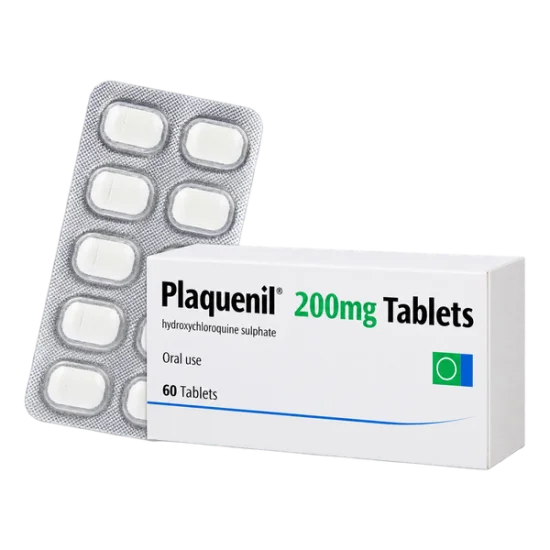
Plaquenil contains hydroxychloroquine sulfate in oral tablets, with 60 tablets supplied in the pack. Dosing differs between strengths and between users, so there is no single amount that suits everyone. Hydroxychloroquine is a 4-aminoquinoline compound and a disease-modifying antirheumatic drug, often shortened to DMARD.
The same broad chemical family includes chloroquine. The two medicines share some antimalarial properties, but they are separate active substances with different prescribing decisions, dosing limits, interaction profiles, and clinical uses. The sulfate salt is the form used in Plaquenil tablets for oral administration.
Hydroxychloroquine is not a sedative, tranquilliser, or antidepressant. Its clinical role is based on antimalarial activity and immune modulation.
Hydroxychloroquine accumulates inside certain cellular compartments, including lysosomes. It changes intracellular processing and reduces signalling involved in immune activation. This action helps explain its use in rheumatoid arthritis and lupus, where excessive immune activity contributes to inflammation and tissue injury.
The product should be treated as a prescription medicine with indication-specific dosing. Tablet strength does not mean that every patient needs one tablet at the same frequency.
Therapeutic indications
Plaquenil has two main clinical roles: antimalarial treatment and long-term control of selected autoimmune diseases. The treatment plan depends on the diagnosis, body weight, kidney function, other medicines, and the intended duration of therapy.
| Clinical use | Therapeutic aim | Main monitoring focus |
|---|---|---|
| Rheumatoid arthritis | Reduce inflammatory activity and protect long-term joint function | Symptoms, joint findings, blood tests, eye monitoring |
| Systemic or discoid lupus erythematosus | Control immune-mediated skin, joint, and systemic features | Disease activity, blood tests, retinal assessment |
| Malaria prevention or treatment | Prevent infection or treat susceptible malaria parasites | Travel exposure, parasite sensitivity, symptoms, response |
Rheumatoid Arthritis and Lupus Management
In rheumatoid arthritis, Plaquenil may be used when inflammatory joint symptoms require a DMARD. It can help reduce pain, stiffness, and swelling over time, although it does not act like a rapid pain reliever. Rheumatology guidelines place hydroxychloroquine among conventional synthetic DMARD options for selected patients with mild disease or specific treatment needs [1].
Systemic lupus erythematosus, or SLE, can affect the skin, joints, blood cells, kidneys, nervous system, and other organs. Hydroxychloroquine is widely used as a long-term foundation treatment in lupus care because it can reduce disease activity and help control cutaneous and musculoskeletal features. Discoid lupus, which mainly affects the skin, may also be treated with hydroxychloroquine when an appropriate clinician considers systemic therapy suitable.
The benefit develops gradually. Some patients notice changes within several weeks, while the full anti-inflammatory effect can take longer. Stopping treatment after only a short period may lead to the mistaken belief that it has failed.
Malaria Prevention and Treatment
Plaquenil may be used for malaria prophylaxis or treatment only when the infecting parasite is susceptible to hydroxychloroquine. Resistance patterns vary by region, so a malaria plan must account for the destination, type of exposure, travel duration, and local resistance information. The World Health Organization bases malaria treatment recommendations on parasite species, resistance, and regional epidemiology [2].
Malaria prevention is different from autoimmune treatment. A traveller may use a medicine for a limited exposure period, while a person with lupus or rheumatoid arthritis may use hydroxychloroquine for long-term disease control. The doses and schedules are not interchangeable.
Fever during or after travel to a malaria area needs urgent medical assessment. Plaquenil prophylaxis does not make every fever harmless, and it does not replace prompt testing when malaria is possible.

Directions for use
Plaquenil tablets are taken by mouth. The prescribed dose varies according to the indication, body weight, kidney function, treatment duration, and response. Dosing differs between strengths and between users, so there is no single amount that suits everyone.
Typical prescribing principles include:
- Autoimmune disease: rheumatology dosing is commonly calculated using the lower of actual body weight or ideal body weight, with a long-term ceiling designed to reduce retinal toxicity risk.
- Malaria prevention: the schedule begins before exposure, continues during the exposure period, and extends after leaving the risk area. The exact timetable depends on the travel plan and local guidance.
- Malaria treatment: dosing is divided into scheduled doses rather than taken as one unsupervised large amount. The regimen depends on the parasite, resistance pattern, and patient factors.
- Kidney impairment: reduced clearance can increase exposure, so a clinician may adjust the treatment plan.
- Missed dose: take it when remembered unless the next dose is close; skip the missed dose rather than doubling up.
The tablet is swallowed with water. It may be taken with food or milk to reduce stomach upset. Do not crush or chew tablets unless a prescriber has given a specific instruction, because altering an oral tablet can affect how the dose is delivered.
A common practical problem occurs when a patient uses the malaria schedule for an autoimmune condition, or follows a rheumatoid arthritis schedule for travel. These are different treatment plans. The indication on the prescription determines the regimen.
If vomiting occurs soon after a malaria dose, the next step depends on how quickly vomiting happened and which schedule was prescribed. Repeating a dose without advice can create an excessive total amount, while ignoring repeated vomiting may leave treatment incomplete.
When not to use it
Plaquenil is not suitable for a person with:
- A known allergy to hydroxychloroquine or a tablet component.
- Pre-existing maculopathy or retinopathy when hydroxychloroquine would add unacceptable risk.
- An untreated eye condition that prevents reliable retinal assessment.
- A significant heart rhythm disorder when the medicine could worsen conduction risk.
- A history of severe blood, muscle, or neurological reaction linked to hydroxychloroquine.
The Australian product information and the TGA emphasise retinal monitoring because toxicity may progress without early symptoms [3].
When this is not for you
Treatment is NOT for you if retinal monitoring cannot be maintained, a relevant allergy is present, or cardiac risk is unacceptable. Do not use it without medical advice if you have significant eye disease, a serious heart rhythm problem, or have previously had a severe reaction affecting your blood, muscles, or nervous system. Keep every scheduled retinal appointment, even when vision feels normal.
Unwanted effects
The most common unwanted effects involve the digestive system. Nausea, abdominal discomfort, diarrhoea, reduced appetite, and headache may occur, especially when treatment begins. Taking the tablet with food can help with nausea, but persistent vomiting or severe abdominal pain needs medical review.
Other possible effects include:
- Skin rash, itching, or increased sensitivity to sunlight.
- Dizziness or headache.
- Muscle weakness or unusual fatigue.
- Changes in mood, sleep, or behaviour.
- Blurred vision or difficulty focusing.
- Palpitations, fainting, or an irregular heartbeat.
- Low blood glucose, especially in people using diabetes treatment.
- Blood-count changes or unusual bruising.
Serious reactions are uncommon but need rapid attention. New visual changes may indicate retinal injury. Fainting, marked palpitations, or seizures may signal cardiac or neurological toxicity. A widespread rash with fever, facial swelling, blistering, or mouth ulcers may represent a severe skin reaction.
Some patients report vivid dreams or mild restlessness during the first weeks. These effects are not a reason to alter the dose independently. A prescriber may decide whether the symptom is tolerable, whether another cause is more likely, or whether treatment should change.
One detail patients often miss is that vision changes can be subtle. Difficulty recognising faces in dim light or noticing missing letters while reading may be more useful warning signs than general blur.
Another practical point concerns blood glucose. Hydroxychloroquine can enhance glucose-lowering effects, so a person with diabetes may experience sweating, shakiness, confusion, or weakness even without a recent change in diabetes treatment.
Mechanism of action
Hydroxychloroquine interferes with parasite survival by concentrating within the parasite and disrupting processes required for haemoglobin handling. In autoimmune disease, it changes antigen processing and intracellular signalling, reducing some immune pathways that sustain inflammation.
This mechanism differs from methotrexate, leflunomide, and sulfasalazine. Hydroxychloroquine has a more modest immunomodulatory profile and is often selected when a clinician seeks a gradual DMARD effect with a different toxicity pattern. It does not provide instant relief like a short-acting analgesic.
Common mistakes
Several avoidable mistakes reduce treatment quality or increase risk:
- Taking extra tablets after a missed dose.
- Using the malaria schedule for lupus or rheumatoid arthritis.
- Stopping abruptly when symptoms improve without discussing disease-control risks.
- Skipping retinal screening because vision seems unchanged.
- Taking antacids or mineral products at the same time.
- Forgetting to mention azithromycin, antiarrhythmics, digoxin, tamoxifen, or diabetes medicines.
- Treating new blurred vision as ordinary tiredness.
- Assuming that a larger dose will produce faster improvement.
- Continuing treatment through a widespread rash, fainting, or severe palpitations.
A patient may also mistake delayed benefit for treatment failure. Plaquenil does not work like a rapid painkiller, so the first few weeks may not reflect the final response.
Comparison
Treatment choice depends on disease severity, organ involvement, pregnancy plans, kidney and liver function, infection risk, monitoring capacity, and previous treatment response. No single DMARD suits every person.
| Treatment category | Typical role | Main monitoring focus |
|---|---|---|
| Hydroxychloroquine | Mild rheumatoid arthritis, lupus, skin and joint disease | Retinal assessment, blood tests, cardiac risk |
| Methotrexate | Rheumatoid arthritis and other inflammatory arthritis | Blood count, liver function, lung and infection risks |
| Leflunomide | Rheumatoid arthritis and selected inflammatory arthritis | Liver function, blood pressure, blood count, pregnancy precautions |
| Sulfasalazine | Rheumatoid arthritis and some inflammatory arthritis | Blood count, liver function, allergy and intolerance |
Chloroquine is chemically related to hydroxychloroquine but is not simply an interchangeable version of Plaquenil. Methotrexate, leflunomide, and sulfasalazine act through different pathways and have different monitoring requirements. A rheumatologist may use one medicine alone or combine selected DMARDs when the expected benefit outweighs the additional risk.
Hydroxychloroquine may be favoured when lupus is prominent, when a gradual immune-modifying approach is appropriate, or when another DMARD is unsuitable. Methotrexate may be preferred for more active inflammatory arthritis. Leflunomide can be useful in rheumatoid arthritis but requires attention to liver toxicity and pregnancy prevention. Sulfasalazine may suit selected joint or bowel-associated inflammatory conditions.
These medicines are not interchangeable by tablet count. Switching requires a new treatment plan.
What doctors say
In clinical practice, doctors usually describe Plaquenil as a long-term disease-control medicine rather than a quick symptom reliever. The treatment works best when the prescribed schedule is maintained and monitoring continues after symptoms improve.
A rheumatologist will usually assess disease activity rather than relying on pain alone. Fatigue, morning stiffness, swollen joints, rashes, blood markers, kidney findings, and organ symptoms may all influence the decision to continue or change treatment.
Eye screening is part of responsible prescribing. It is not an optional extra for a patient who has taken hydroxychloroquine for years. The American Academy of Ophthalmology’s screening guidance supports dose-aware retinal assessment, with earlier or closer monitoring for people with additional risk factors [4].
Doctors also consider treatment duration. A person who has used Plaquenil for several years may have a different risk profile from someone beginning a short malaria-related course. The same 200 mg tablet strength can be used within very different clinical plans.
What customers often ask
Can Plaquenil be taken with food or on an empty stomach?
Plaquenil may be taken with food or milk when stomach upset occurs. Food can reduce nausea without changing the medicine’s intended oral use. The 2024 TGA product information describes oral administration and supports following the prescribed schedule rather than changing the dose for digestive symptoms. Advice from the WHO on antimalarial use also reinforces the need to follow the indication-specific regimen, especially during travel. The prescribed indication should guide the timing and duration.
How does Plaquenil differ from chloroquine?
Plaquenil contains hydroxychloroquine sulfate, while chloroquine contains a different active substance from the same broad aminoquinoline family. Their activity against malaria and their roles in inflammatory disease are not identical, so one cannot be substituted for the other by tablet count. The 2020 EMA recognises hydroxychloroquine as a medicine with distinct cardiac and retinal safety considerations. Treatment selection depends on diagnosis, parasite susceptibility, dose exposure, and patient risk factors.
Is alcohol allowed while using Plaquenil?
Alcohol is not known to produce one universal interaction with Plaquenil, but regular heavy intake can complicate treatment through liver stress, poorer sleep, dehydration, and difficulty recognising dizziness or low blood glucose. People using diabetes medicines may have extra concern because hydroxychloroquine can increase glucose-lowering effects. The 2024 TGA advises attention to medicine effects and patient risk factors rather than treating alcohol use as harmless in every situation. Avoid alcohol if it worsens nausea, dizziness, confusion, or disease symptoms.
What happens after stopping Plaquenil, and does it need tapering?
Plaquenil remains in body tissues for a prolonged period, so its effects do not disappear immediately after the last tablet. Whether tapering is needed depends on the indication and the wider treatment plan; hydroxychloroquine is not automatically tapered in every situation. Stopping suddenly can allow lupus or rheumatoid arthritis activity to return, while stopping malaria prophylaxis at the wrong point can leave a period of exposure insufficiently covered. The WHO (2023) and TGA (2024) place emphasis on completing the clinically appropriate schedule.
Can Plaquenil be combined with medicines or supplements?
Plaquenil requires a specific interaction review when combined with azithromycin, antiarrhythmics, digoxin, insulin, glucose-lowering medicines, tamoxifen, or mineral-containing antacids. Azithromycin and hydroxychloroquine can both affect cardiac repolarisation, creating greater concern in people with heart rhythm risk. Aluminium and magnesium antacids may reduce absorption when taken too close to the tablet. The 2020 EMA recommends attention to QT-prolonging combinations and patient-specific cardiac risk.
How long does one Plaquenil dose keep working?
A single dose does not provide a simple, predictable period of symptom relief. Hydroxychloroquine distributes into tissues and leaves the body slowly, while the immune-modifying benefit develops through repeated dosing over weeks or months. A missed dose should not be replaced with two tablets because the medicine persists and excess dosing raises toxicity risk. The 2024 TGA product information describes prolonged exposure and supports using the prescribed schedule rather than judging treatment by one day’s symptoms.
Which condition rules Plaquenil out?
Known hydroxychloroquine allergy is a direct reason to avoid Plaquenil. Significant pre-existing retinopathy or maculopathy may also rule it out, especially when safe retinal monitoring cannot be maintained. A history of serious rhythm disturbance, severe medicine-related blood abnormalities, or a major interaction may require a different treatment. The 2024 TGA identifies retinal, cardiac, and hypersensitivity risks that must be assessed before treatment begins.
Do you offer anonymous delivery?
Your order will be securely packed and shipped within 24 hours. This is exactly what your package will look like (images of an actual item sent). It has the size and look of a regular private letter (24x11x0.7 cm) and its contents cannot be seen.
Comparison
Sources
- European League Against Rheumatism (2019). 2019 update of the EULAR recommendations for the management of rheumatoid arthritis with synthetic and biological disease-modifying antirheumatic drugs.
- World Health Organization (2023). Guidelines for malaria.
- Therapeutic Goods Administration (2024). Hydroxychloroquine sulfate: Australian product information.
- American Academy of Ophthalmology (2016). Recommendations on Screening for Chloroquine and Hydroxychloroquine Retinopathy.
How Buyers Rate Plaquenil
Based on 5 reviews
used hydroxychloroquine as part of rheumatoid arthritis treatment. After about eight weeks, morning stiffness was less disruptive, although he still needed regular reviews and did not feel an immediate change after each dose.
About eight weeks 13 Oct 2026found the tablets manageable but became anxious about retinal monitoring after noticing intermittent blurred vision. The symptom was assessed promptly and was not assumed to be harmless tiredness.
16 Oct 2026had taken Plaquenil for long-term inflammatory disease and initially missed an eye appointment because his vision seemed normal. He later kept the scheduled assessments and found the reminders useful.
Long-term 26 Oct 2026used hydroxychloroquine for a travel-related malaria plan. He found the schedule difficult to remember and once considered doubling a missed dose, but received instructions to avoid taking extra tablets.
31 Oct 2026