My morning stiffness eased enough for me to walk before work. I noticed ankle swelling near the end of the course, so the treatment was reviewed rather than continued automatically.
Several weeks 9 Nov 2026
Arcoxia
Arcoxia is intended for adults with painful inflammatory conditions, including arthritis, gout and selected short-term pain episodes. Its active ingredient, etoricoxib, selectively inhibits COX-2 to…
Arcoxia is intended for adults with painful inflammatory conditions, including arthritis, gout and selected short-term pain episodes. Its active ingredient, etoricoxib, selectively inhibits COX-2 to help reduce pain and inflammation while cardiovascular and blood-pressure risks still require attention.
Product information
Arcoxia contains etoricoxib, a selective COX-2 inhibitor that reduces pain and inflammation. It is prescribed for adults with conditions such as osteoarthritis, rheumatoid arthritis, ankylosing spondylitis, acute gout and certain short-term pain episodes.
Ingredients
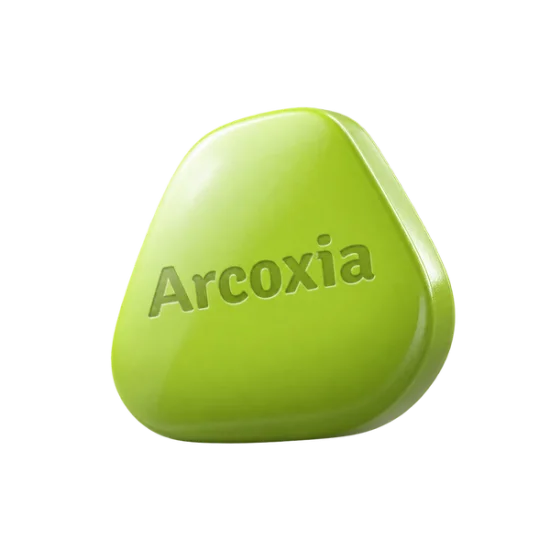
The product is supplied as tablets. Etoricoxib tablets are produced in several strengths for different clinical indications, but the appropriate strength is selected by the prescriber rather than by symptom intensity alone.
Therapeutic indications
Arcoxia may be prescribed for adults with inflammatory or painful musculoskeletal conditions. The exact course depends on the diagnosis, symptom severity, age, kidney function, blood pressure and other medicines.
Common clinical indications include:
- Osteoarthritis, where joint pain and stiffness affect movement.
- Rheumatoid arthritis, where immune-driven inflammation affects joints.
- Ankylosing spondylitis, which causes inflammatory pain and stiffness in the spine and related joints.
- Acute gout attacks, where rapid inflammation develops around a joint.
- Acute musculoskeletal pain in selected circumstances.
- Short-term dental pain when an anti-inflammatory analgesic is clinically appropriate.
Management of Chronic Joint Pathologies
For osteoarthritis and rheumatoid arthritis, treatment is usually assessed by symptom control, mobility and adverse effects. Arcoxia can reduce pain and stiffness, but it does not replace physiotherapy, prescribed disease-modifying treatment for rheumatoid arthritis, or measures that protect joint function.
People with chronic arthritis may notice that the medicine controls pain without restoring normal movement immediately. Gentle activity, rehabilitation exercises and pacing remain relevant because prolonged inactivity can worsen stiffness.
An important clinical point is dose limitation. The lowest suitable dose for the shortest suitable period is generally preferred with NSAIDs, because cardiovascular, kidney and gastrointestinal risks can increase with exposure. The Australian Therapeutic Goods Administration provides regulatory information for medicines containing etoricoxib and related safety considerations [2].
Treatment of Acute Pain Episodes and Gout
Acute gout is treated differently from long-term arthritis. The aim is to suppress inflammation during the flare, then stop or reduce treatment once the acute episode has settled. Etoricoxib does not lower uric acid and does not prevent future gout attacks by itself.
Dental and musculoskeletal pain may also require a short course. If pain continues despite the prescribed treatment, increasing the dose independently can expose the person to avoidable harm without addressing the underlying problem.
Directions for use
The dose of Arcoxia is decided individually, taking age, other medicines and health conditions into account. Treatment for chronic arthritis and treatment for acute gout do not use the same clinical approach, so the prescribed regimen should match the diagnosed condition.
Key administration principles are:
- Take the tablet by mouth with water.
- Use it once daily only when that schedule has been prescribed.
- Take it at a consistent time for continuing conditions.
- Do not take more than the prescribed amount if pain returns early.
- Do not take two doses together after a missed dose.
- If a dose is missed, take the next scheduled dose at the usual time unless a prescriber has given different instructions.
- Use the shortest treatment duration that controls the condition.
Arcoxia can be taken with or without food. Food may delay the onset of pain relief slightly, while taking it after food can feel gentler for people who develop stomach discomfort. The tablet should be swallowed with water rather than combined with another anti-inflammatory painkiller.
Long-term use requires review of blood pressure, kidney function and cardiovascular risk. A medicine that worked well for a short flare may not remain the right choice for repeated or continuous use.
When not to use it
Arcoxia is not suitable for everyone. It should not be used in people with certain cardiovascular, gastrointestinal, kidney or liver conditions.
- Active stomach or intestinal ulceration or gastrointestinal bleeding.
- Severe liver disease.
- Severe kidney impairment.
- Uncontrolled high blood pressure.
- Established coronary heart disease, peripheral arterial disease or cerebrovascular disease, including previous heart attack or stroke, unless a specialist has specifically determined otherwise.
- Heart failure or significant fluid retention.
- A previous serious allergic reaction to etoricoxib, other COX-2 inhibitors or NSAIDs.
- Pregnancy in the later stages, especially after the third trimester begins.
- A history of NSAID-triggered asthma, nasal polyps or allergic-type reactions.
Drug interactions require careful review. Arcoxia may interact with warfarin and other anticoagulants, medicines used to control blood pressure, diuretics, lithium, methotrexate, ciclosporin, tacrolimus and low-dose aspirin. Combining it with another NSAID can increase gastrointestinal and kidney toxicity.
When this is not for you
This medication is not for you if you have heart problems, high blood pressure that is not controlled, kidney or liver disease, stomach ulcers or bleeding, or significant fluid retention. You should also avoid it if you have previously had a serious allergic reaction to anti-inflammatory medicines, or if NSAIDs have triggered asthma, nasal polyps or allergy-like symptoms. Do not start it without medical advice if you take aspirin, warfarin, diuretics or other blood-pressure medicines. People who are pregnant, especially later in pregnancy, need specific medical advice before using it.
Unwanted effects
Common adverse effects can include stomach discomfort, indigestion, nausea, headache, dizziness, swelling of the legs, fatigue and increased blood pressure. Some people experience these effects early, while others develop them after several days of treatment.
The selective COX-2 mechanism may reduce some ulcer-related risk compared with non-selective NSAIDs, yet it does not make stomach problems impossible. Black stools, vomiting blood or severe persistent abdominal pain require urgent medical assessment.
Stop and seek urgent care for signs of a serious allergic reaction, such as facial swelling, breathing difficulty, widespread blistering rash or faintness. Chest pain, sudden weakness on one side, severe shortness of breath and sudden vision or speech changes also require emergency attention.
Other warning signs include:
- A marked reduction in urination.
- Rapid swelling or unexpected weight gain from fluid retention.
- Severe skin rash with fever.
- Yellowing of the skin or eyes.
- Blood-pressure readings that remain substantially above the usual range.
- New or worsening breathlessness.
One practical point matters for people monitoring blood pressure: an increase may be gradual and may not produce symptoms. Blood-pressure checks are useful even when pain relief feels satisfactory.
Another detail concerns dizziness. If dizziness appears after a dose, driving or operating machinery can become unsafe even when the person feels mentally alert.
Mechanism of action
Arcoxia belongs to the non-steroidal anti-inflammatory drug class. Its active ingredient, etoricoxib, selectively inhibits cyclooxygenase-2, commonly called COX-2. COX-2 contributes to the production of prostaglandins, chemical messengers involved in pain, swelling and inflammation.
Role of Etoricoxib in Inflammation
COX enzymes help the body produce prostaglandins. COX-1 supports normal functions such as protection of the stomach lining and platelet activity. COX-2 becomes more active during inflammation and contributes to pain sensitivity, warmth and swelling.
Etoricoxib preferentially blocks COX-2. This explains why it can reduce inflammatory pain while causing less direct inhibition of stomach-protective prostaglandins than non-selective NSAIDs. The distinction does not remove gastrointestinal risk, especially when treatment is prolonged or when a person has a history of ulcers.
Clinical guidance from the European Medicines Agency describes etoricoxib as a selective COX-2 inhibitor used for several musculoskeletal and acute inflammatory conditions [1]. The medicine reduces symptoms; it does not reverse cartilage loss in osteoarthritis or permanently remove the cause of gout.
Common mistakes
Several errors can reduce benefit or raise risk:
- Taking Arcoxia with another NSAID for stronger relief.
- Repeating an extra dose because pain returns before the next scheduled dose.
- Continuing a short acute course for weeks without review.
- Ignoring rising blood pressure because there is no headache.
- Assuming less stomach irritation means no ulcer risk.
- Forgetting to mention aspirin, warfarin or diuretic treatment.
- Using the acute-gout regimen for chronic joint pain.
- Stopping prescribed cardiovascular medicines while starting Arcoxia.
- Driving after dizziness has appeared.
- Relying on the medicine alone while avoiding movement and rehabilitation for chronic joint disease.
A common misunderstanding is that stronger pain relief always means faster recovery. Arcoxia can reduce inflammatory symptoms while the underlying arthritis, gout tendency or structural joint problem remains present.
Comparison
Arcoxia differs from traditional NSAIDs through its preference for COX-2 rather than broad inhibition of both COX-1 and COX-2. This can offer a lower risk of some stomach complications, but the cardiovascular and blood-pressure profile demands careful selection.
| Treatment approach | Main pharmacological feature | Main clinical trade-off |
|---|---|---|
| Etoricoxib | Selective COX-2 inhibition | Less direct COX-1 inhibition, with cardiovascular and blood-pressure precautions |
| Traditional NSAIDs | More widespread COX-1 and COX-2 inhibition | Greater gastrointestinal concern in some patients, with kidney and cardiovascular risks still possible |
| Paracetamol-based analgesia | Pain relief without anti-inflammatory COX blockade | May not control substantial inflammatory swelling |
The closest comparison is a traditional NSAID used for joint or acute inflammatory pain. Etoricoxib may be chosen when selective COX-2 action is clinically attractive, such as when gastrointestinal risk is a concern and cardiovascular risk is acceptable. It is not automatically the safer choice for someone with hypertension, coronary artery disease, stroke history or heart failure.
Paracetamol does not provide the same anti-inflammatory effect. It may suit pain without marked inflammation, but the choice depends on the diagnosis, liver health and other medicines.
The World Health Organization describes NSAIDs as medicines whose benefits and risks depend on dose, duration, patient characteristics and treatment context [3]. That balance is central to choosing etoricoxib.
What doctors say
In clinical practice, doctors usually judge Arcoxia by function as well as pain intensity. Better walking, improved sleep and greater ability to complete daily tasks can be more useful measures than a single pain score.
A prescriber will usually ask about:
- Previous ulcers or gastrointestinal bleeding.
- Blood pressure and cardiovascular history.
- Kidney and liver function.
- Anticoagulants, aspirin and other NSAIDs.
- Asthma or prior reactions to anti-inflammatory medicines.
- Pregnancy or plans for pregnancy.
- The expected duration of treatment.
The EMA’s public assessment information for etoricoxib reflects the need to balance symptom relief against cardiovascular, blood-pressure and gastrointestinal risks [4]. Medicine guidance from the FDA, NICE and MHRA also emphasizes reviewing cardiovascular and gastrointestinal risk. A doctor may choose another analgesic when cardiovascular risk is high, even if Arcoxia has helped during an earlier episode.
For chronic arthritis, repeated prescriptions should not become automatic. A review is useful when pain patterns change, swelling appears in new joints, mobility declines or the medicine seems less helpful.
What customers often ask
Can Arcoxia be taken with food or on an empty stomach?
Arcoxia can be taken with or without food, although food may delay the start of pain relief slightly. Taking it after food may feel more comfortable for someone who develops indigestion. The Australian TGA safety information from 2023 supports attention to gastrointestinal, kidney and cardiovascular risks during NSAID treatment [5]. Water is the preferred drink for swallowing the tablet. Follow the prescribed schedule rather than changing the timing independently.
What should I do if the expected result does not come?
Do not increase the dose or add another NSAID independently. Persistent pain may indicate that the diagnosis, treatment duration or medicine choice needs reassessment. Guidance from the WHO in 2023 supports reviewing NSAID use according to the patient’s condition and risk factors rather than escalating treatment without evaluation. New swelling, fever, injury, weakness or severe pain needs prompt clinical assessment.
How does Arcoxia differ from traditional NSAIDs?
Arcoxia contains etoricoxib, which preferentially inhibits COX-2. Traditional NSAIDs inhibit COX enzymes more broadly and may carry greater risk of some stomach complications, although they also have kidney and cardiovascular risks. Selective COX-2 action does not remove the need for blood-pressure and cardiovascular assessment. The EMA product information from 2024 supports choosing treatment according to the condition, medical history and other medicines.
How long does a course last, and is long-term use acceptable?
Treatment length depends on whether the goal is short-term control of acute gout or dental pain, or continuing management of arthritis and ankylosing spondylitis. Long-term use can be appropriate for selected patients, but it requires periodic review of blood pressure, kidney function, cardiovascular status and ongoing need. The EMA recommends in 2024 that clinicians consider dose and duration when evaluating etoricoxib treatment. A course should not be extended simply because the medicine remains available.
How long does one dose keep working?
Etoricoxib is designed for once-daily administration when prescribed in that way, so one dose is intended to provide symptom control across much of the day. The duration of relief varies with the condition, inflammation level and individual response. A dose wearing off early does not justify taking an extra tablet. The EMA product information from 2024 describes once-daily dosing when prescribed. The next step is a review of the regimen and diagnosis.
Can alcohol be used while taking Arcoxia?
Alcohol can increase stomach irritation and may worsen dizziness or impaired judgement. Regular heavy alcohol intake also adds liver and gastrointestinal concerns, especially when other pain medicines are involved. The WHO identifies in 2023 patient factors and medicine combinations as important when assessing NSAID risk. Avoid alcohol during a short course if it causes indigestion, dizziness or poor coordination.
Is driving, concentrating or working with machinery safe?
Dizziness, drowsiness or unusual tiredness can occur with Arcoxia. Do not drive, climb, or operate machinery until you know how the tablet affects alertness and coordination. The TGA consumer safety approach in 2023 treats these symptoms as practical reasons to avoid hazardous tasks. People who develop blurred vision, severe dizziness or confusion should stop the activity and obtain medical advice.
Do you offer anonymous delivery?
Your order will be securely packed and shipped within 24 hours. This is exactly what your package will look like (images of an actual item sent). It has the size and look of a regular private letter (24x11x0.7 cm) and its contents cannot be seen.
Comparison
Sources
- European Medicines Agency (2024). Arcoxia: EPAR — Product information (etoricoxib).
- Therapeutic Goods Administration (2024). Arcoxia (etoricoxib) Australian Product Information.
- World Health Organization (2023). WHO guideline for non-surgical management of chronic primary low back pain.
- European Medicines Agency (2024). Arcoxia: European public assessment report (EPAR).
- Therapeutic Goods Administration (2023). Arcoxia (etoricoxib) Consumer Medicine Information.
How Buyers Rate Arcoxia
Based on 5 reviews
The pain became manageable after the first day and I could sleep. My blood pressure was higher at the follow-up, so the doctor changed the plan for future attacks.
4 Nov 2026It helped me move and sit at work. I had mild indigestion when I took it without food, which improved when I took it after breakfast.
12 Oct 2026The first few days were useful, but the benefit did not last through the night. I was tempted to take another tablet, then checked the prescribed schedule instead.
A short course 19 Oct 2026The stiffness improved when I took it regularly, and exercise became easier. I still needed monitoring because my blood pressure readings increased during longer use.
Longer use 27 Oct 2026